Gijón Botanical Garden, Spain: What to See, Prices and Getting There

The Gijón Botanical Garden is on the edge of the city, and you can get there on an ordinary city bus. Inside there’s a laurel maze with a lighthouse in the middle, an oak wood that’s three to four hundred years old, a vegetable garden with white eggplants and exhibition rooms that explain how aspirin came from willow bark.
What Is the Atlantic Botanical Garden of Gijón?
This is one of the places I always recommend in Gijón if you love nature and parks. The garden really is worth it, and it’s also very easy to combine with Universidad Laboral – a monumental building with a tower right across the road.
Gijón (Xixón in Asturian) is the largest city in Asturias, a region in the north of Spain on the Bay of Biscay. The botanical garden is on the eastern edge of the city.
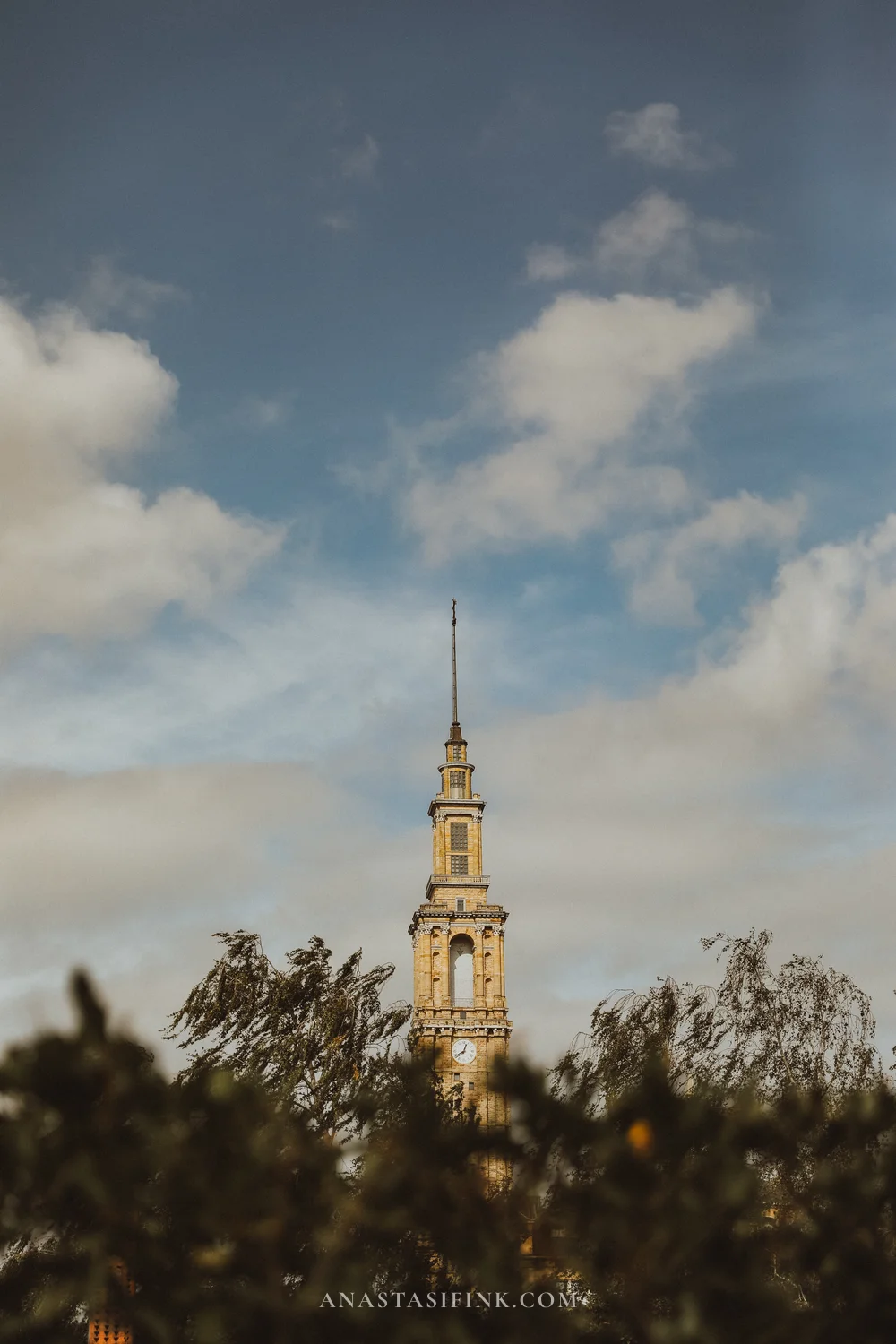
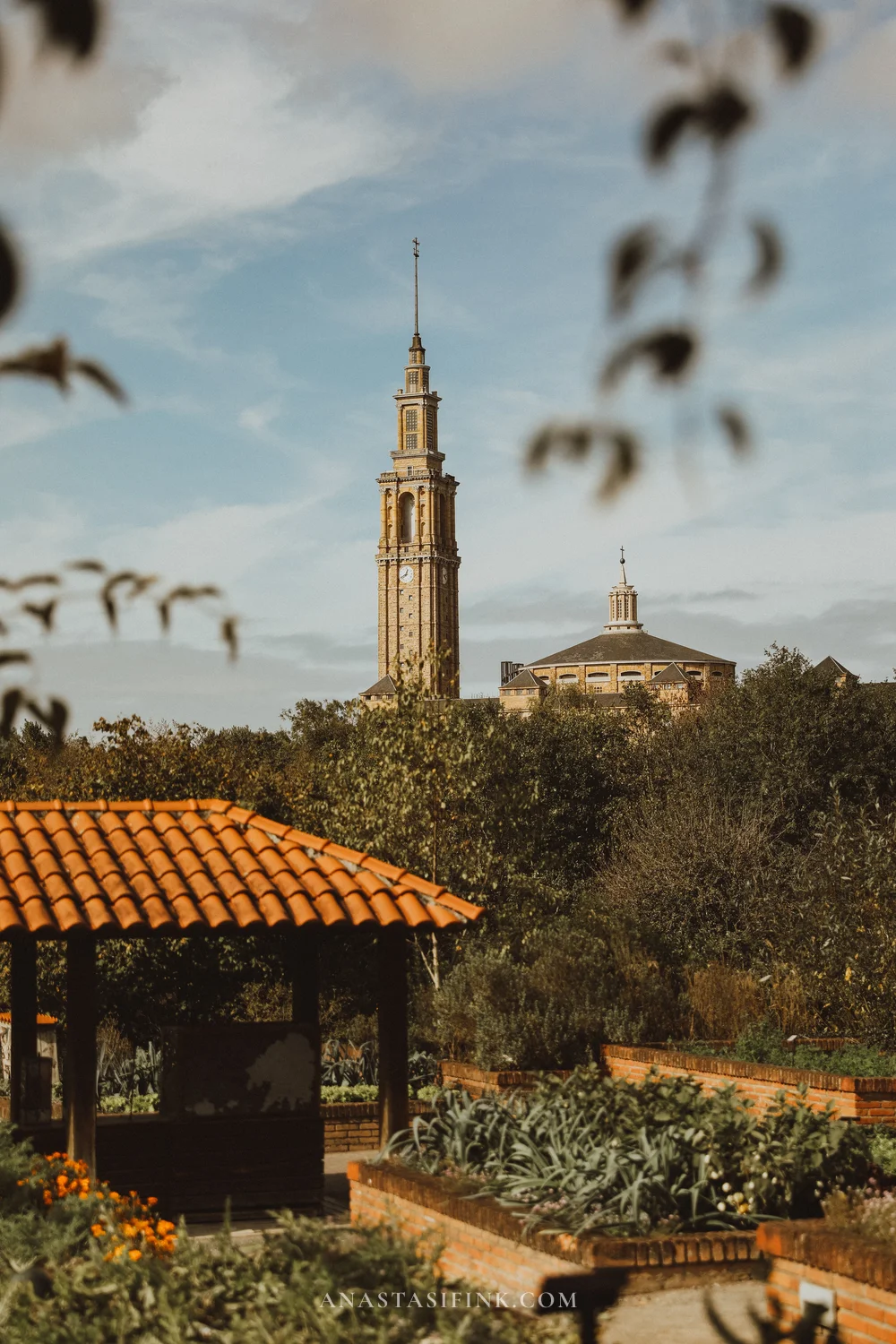
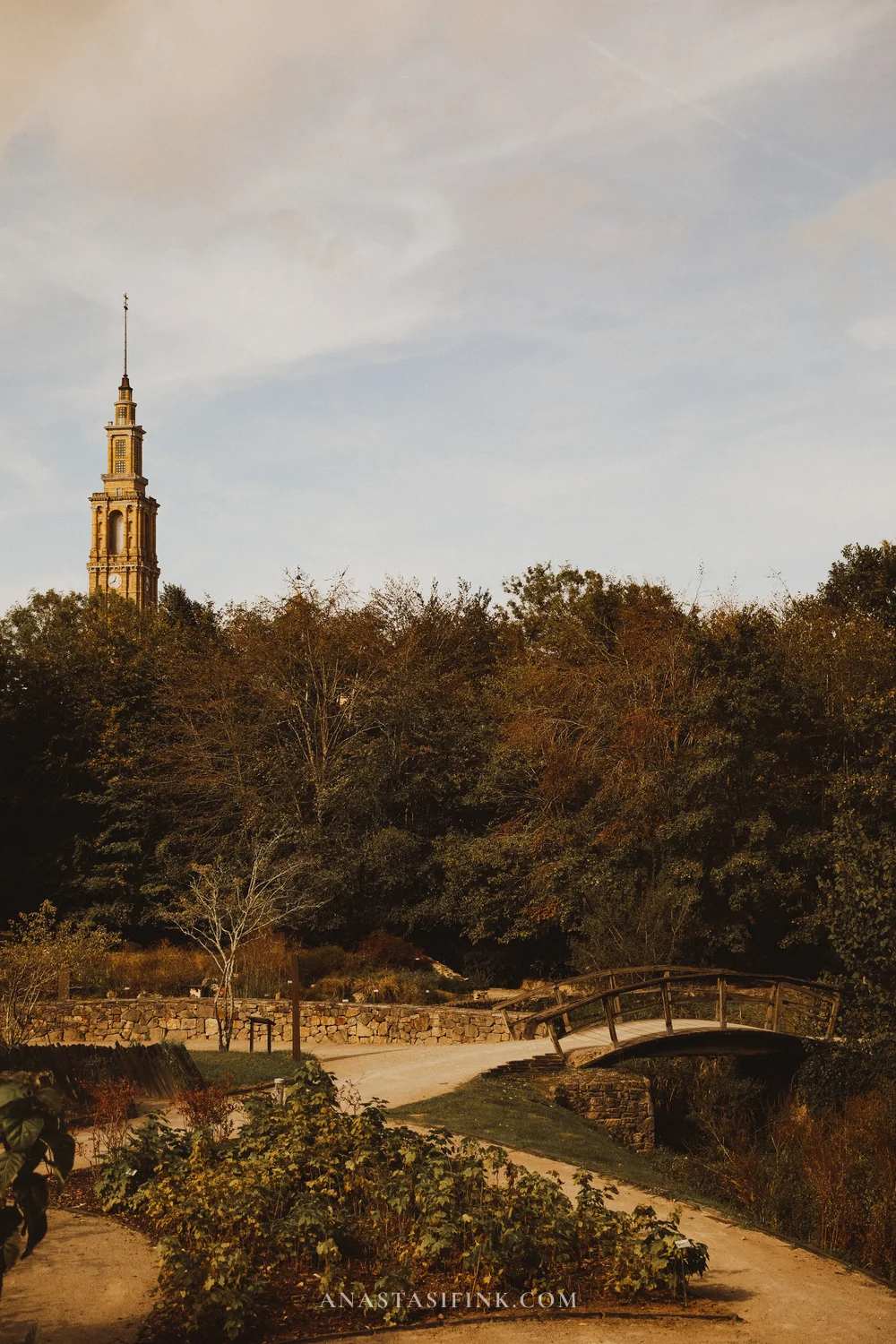
Universidad Laboral was built in the middle of the last century as a huge educational complex, and today it’s described as the largest building in Spain. Its tower is about 130 metres tall and can be seen from almost everywhere, so it’s handy for getting your bearings. These days it houses the Laboral Ciudad de la Cultura arts centre, and you can visit on a guided tour: a colonnaded square, a theatre, a church with an enormous dome and a lift up to the viewing platform in the tower, with views over the city and the coast. But even without the tour you can look around inside and go up the tower. There’s a combined ticket for the tour and the botanical garden, so it’s easy to fit both into one day.
The official name is Jardín Botánico Atlántico, the Atlantic Botanical Garden. It opened in the early 2000s and is dedicated to plants from Atlantic regions on both sides of the ocean. It’s a much smaller and quieter place than Kew Gardens, but in a single walk you go from the Cantabrian mountains to a Canadian marsh with wild rice, and from there into a pine forest like something out of Scandinavia. The garden is divided into four areas: Entorno Cantábrico (the Cantabrian Environment), Factoría Vegetal (the Plant Factory), Jardín de la Isla and Itinerario Atlántico (the Atlantic Itinerary).
What surprised me most was how well kept everything is. The paths are clean, every plant has a label with its Latin, Spanish and English name, and each area has a board with a map and explanations. Several buildings have exhibitions that are interesting to read even for adults, and even more so with kids. A lot of it is in English too, but not everything: some display cases and history panels are in Spanish only.
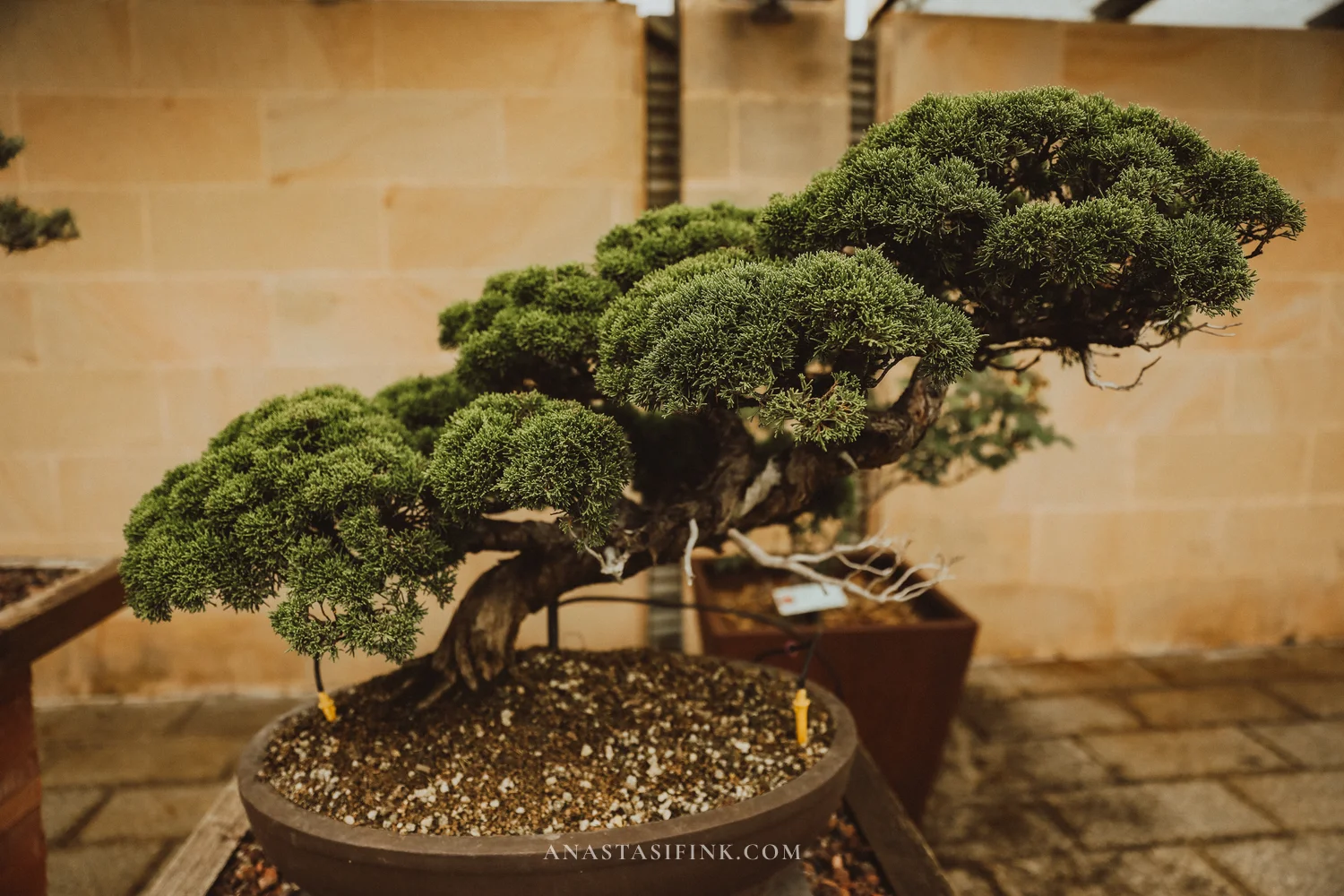
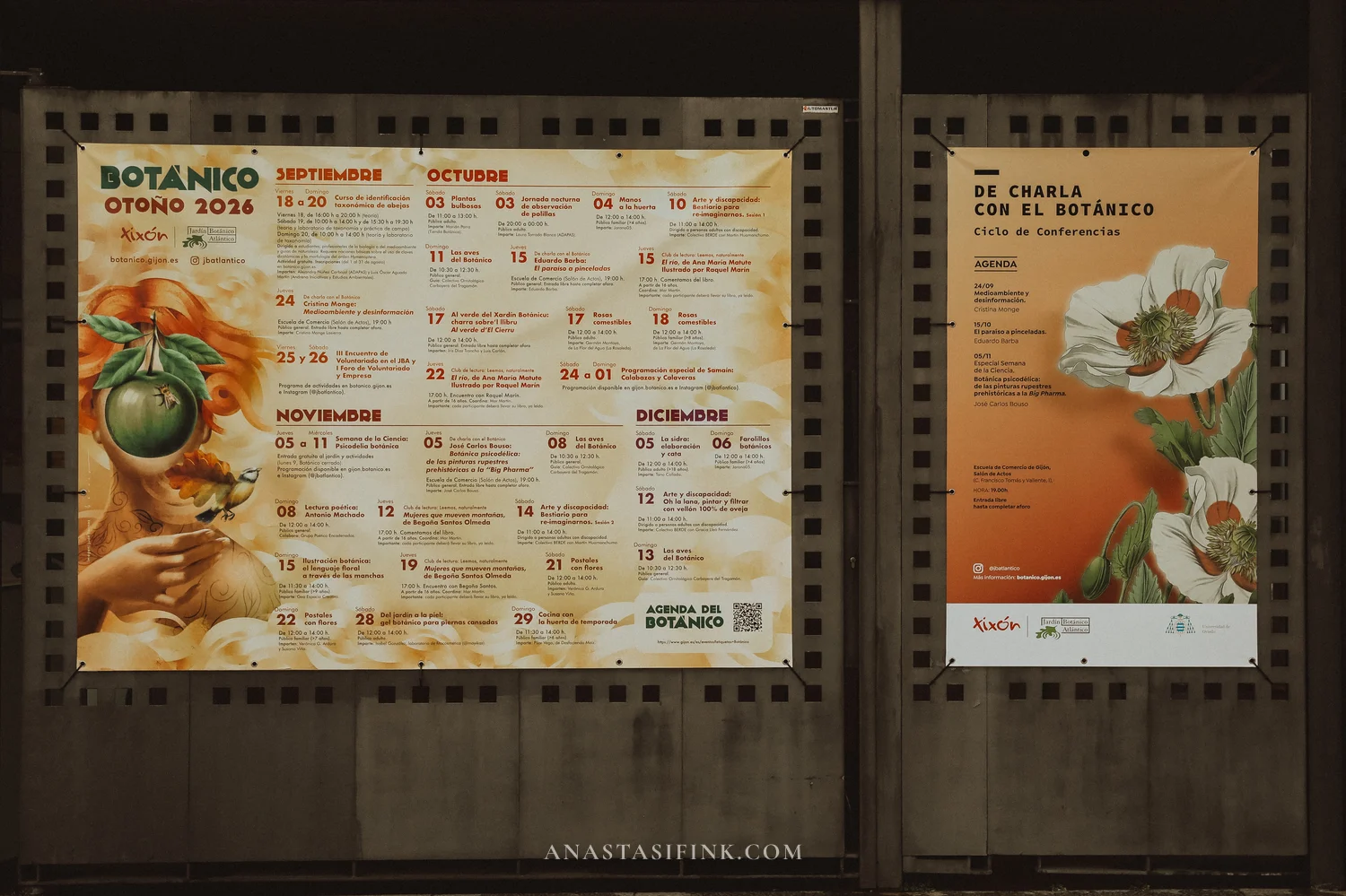
Bonsai and the events programme

There’s a bonsai collection right by the entrance. Pick up a paper map as you go in: all the collections on it are numbered, and the numbers make it easy to find your way around. There’s also a big map on a board.
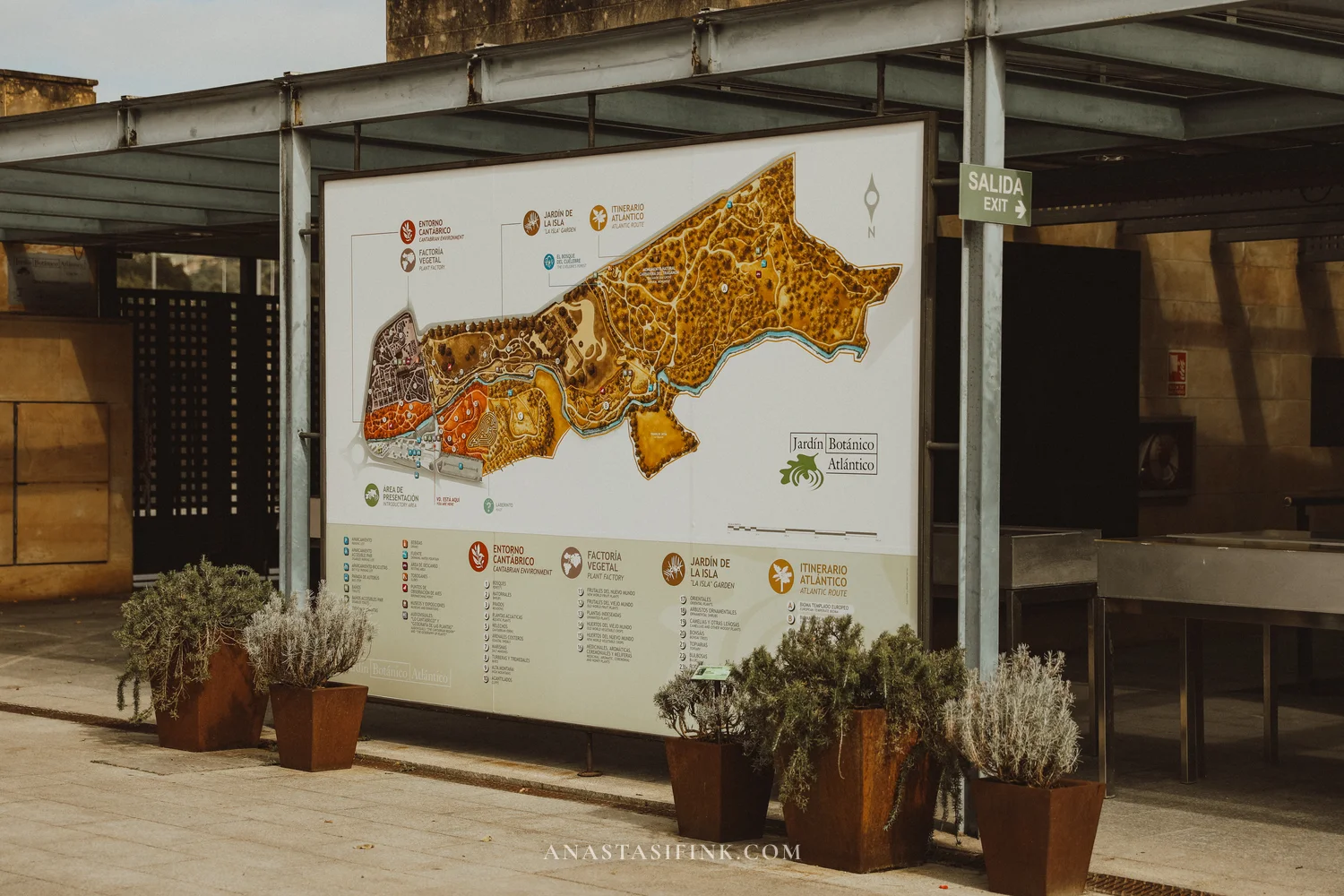
What to See at the Gijón Botanical Garden
I’m describing everything in the order I walked round. The numbers in brackets are the collection numbers on the garden map.
1. Entorno Cantábrico: Mountains, Bogs and Dunes
The Entorno Cantábrico (Cantabrian Environment) starts to the right of the entrance. The Cantabrian Mountains run across the whole north of Spain, and between them and the sea there’s a huge variety of landscapes. This area shows plants from open habitats: high mountains (9), peat bogs (8), coastal dunes (6) and coastal marshes (7). Lots of rocks, dry grass and shrubs.

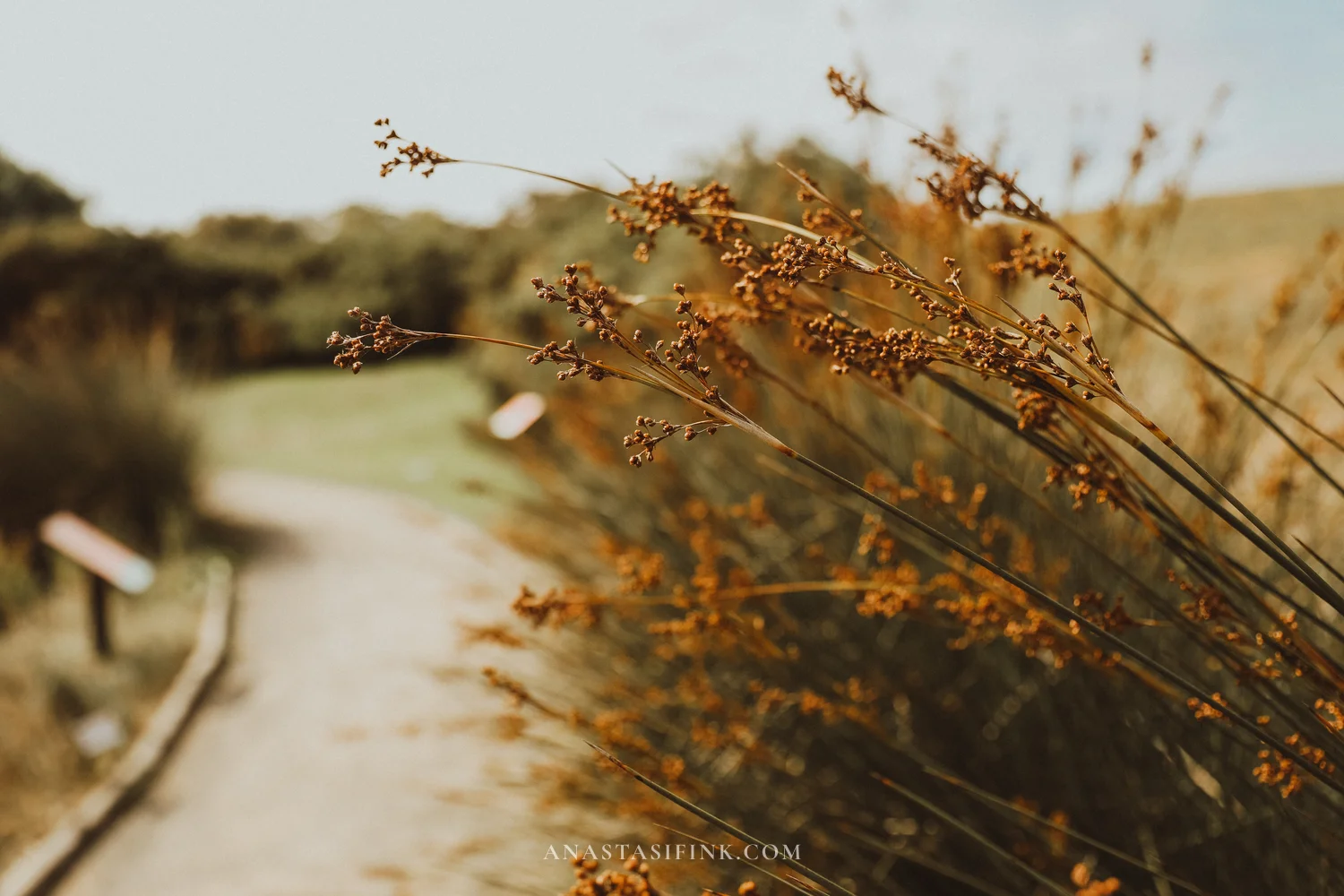
In the dunes area there’s a real wooden fishing boat lying on the sand, and next to it a board about carpintería de ribera, traditional boatbuilding on the coast. Boats used to be made from oak and chestnut: the wood is strong and copes well with damp. But these trees grow slowly, so from the mid-19th century people switched to pine and eucalyptus.

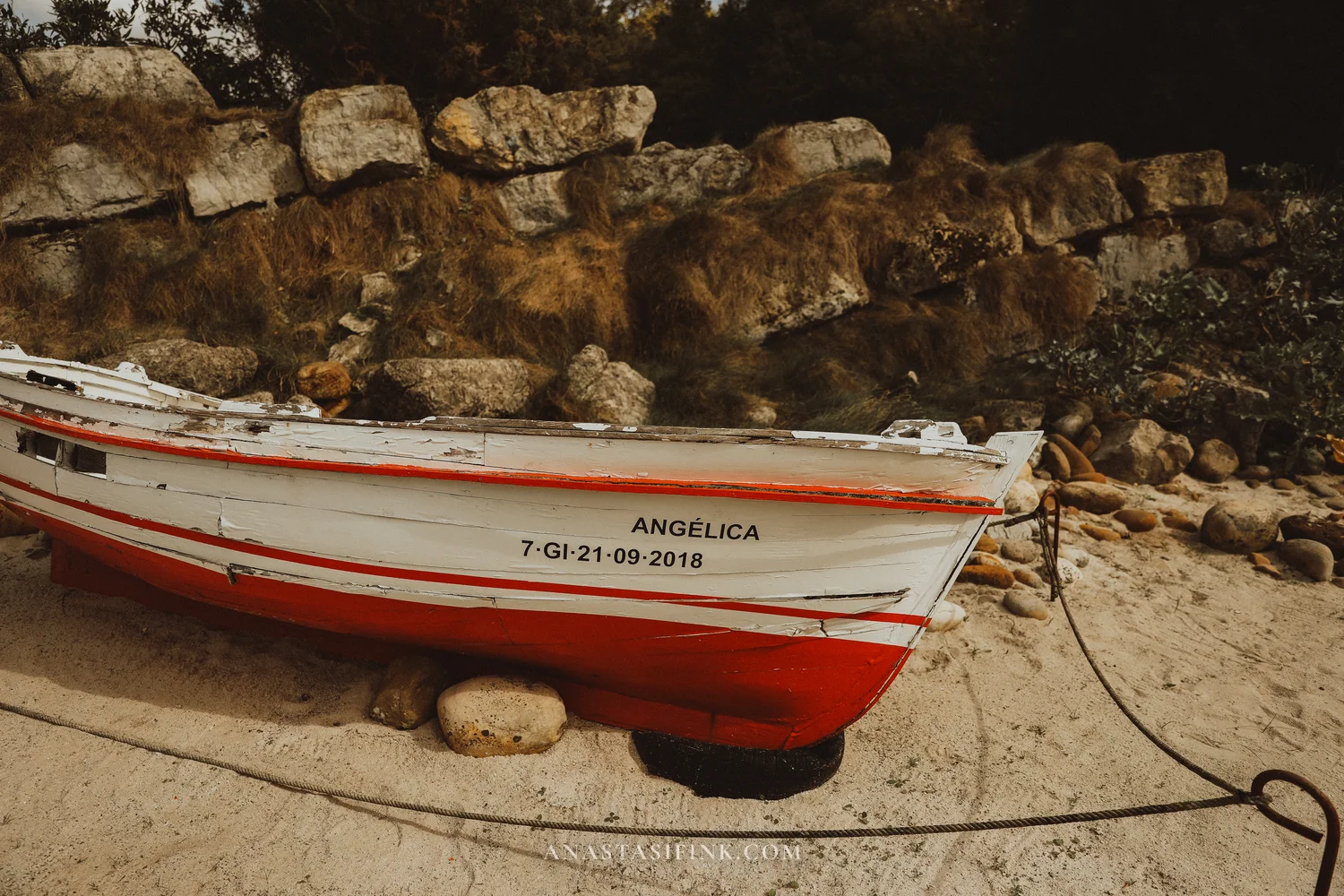
The coastal dunes area
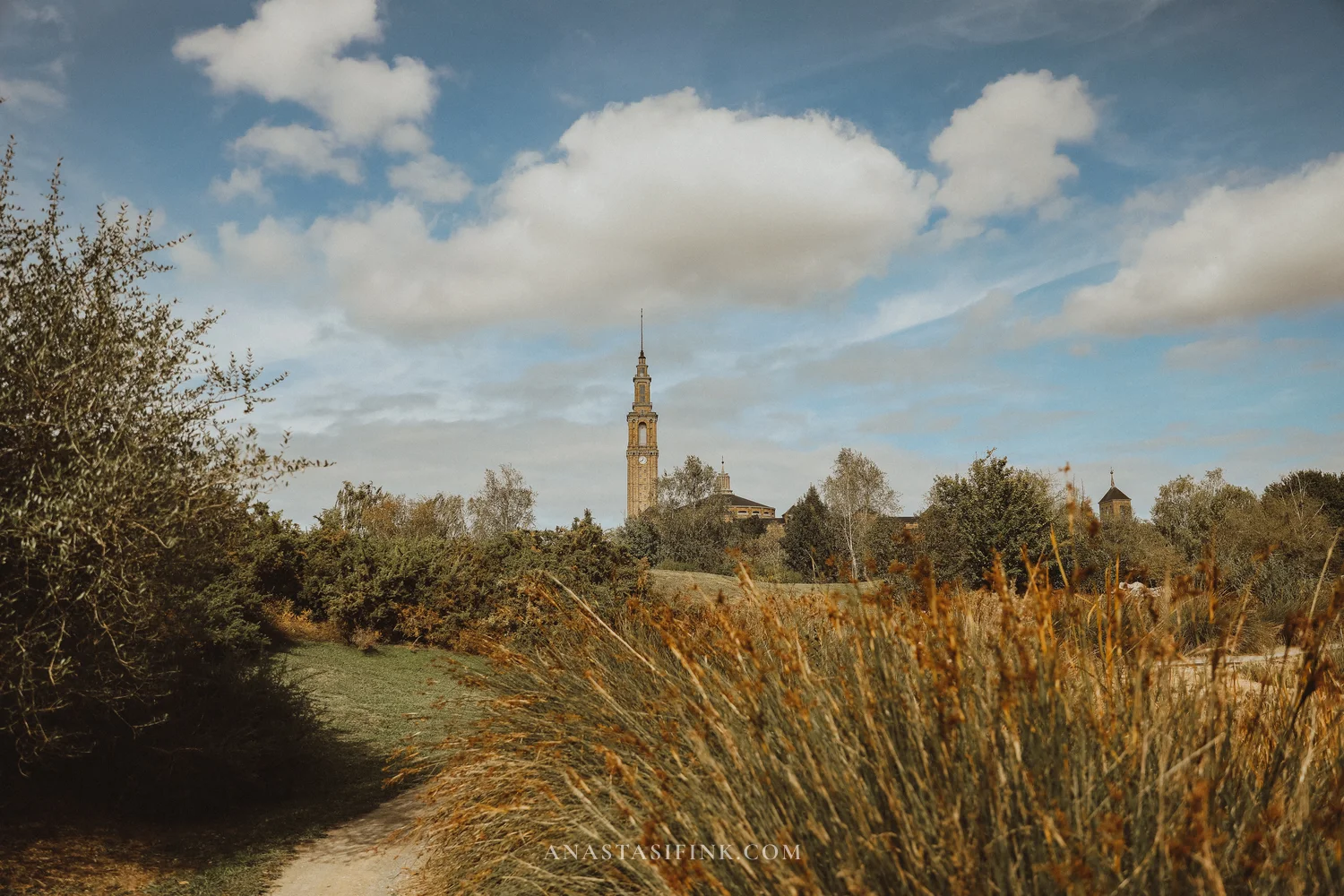
2. The Laurel Maze with a Lighthouse
Next to the high-mountain section is the maze – one of the most fun places in the garden. Its walls are laurel hedges taller than a grown-up.
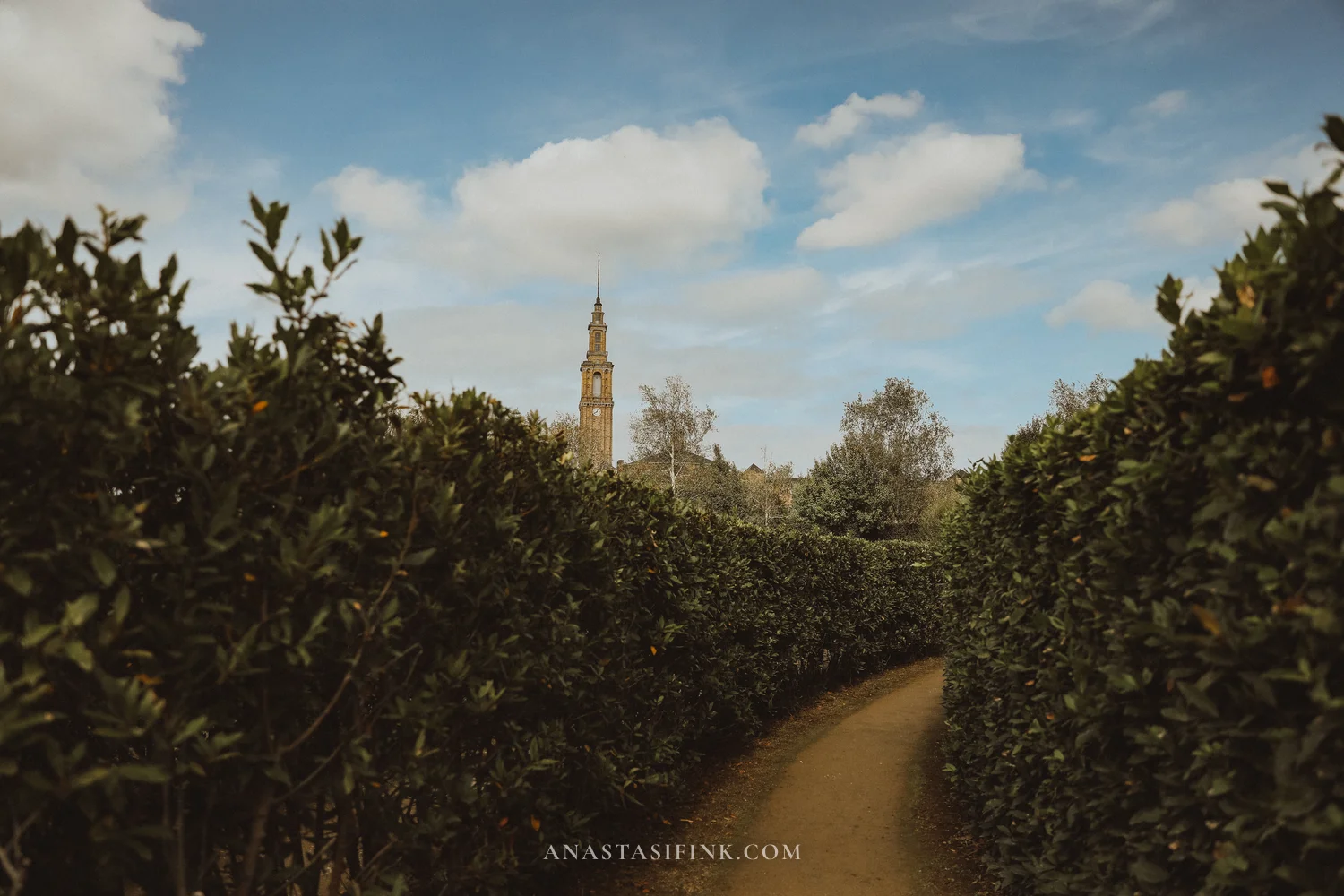
In the middle stands a small white lighthouse with a red roof. It’s a copy of the lighthouse at Cabo de Torres on the western edge of Gijón, and the weather vane carries the date 1923. The goal is to reach the lighthouse, and you’ll hit more than one dead end on the way.
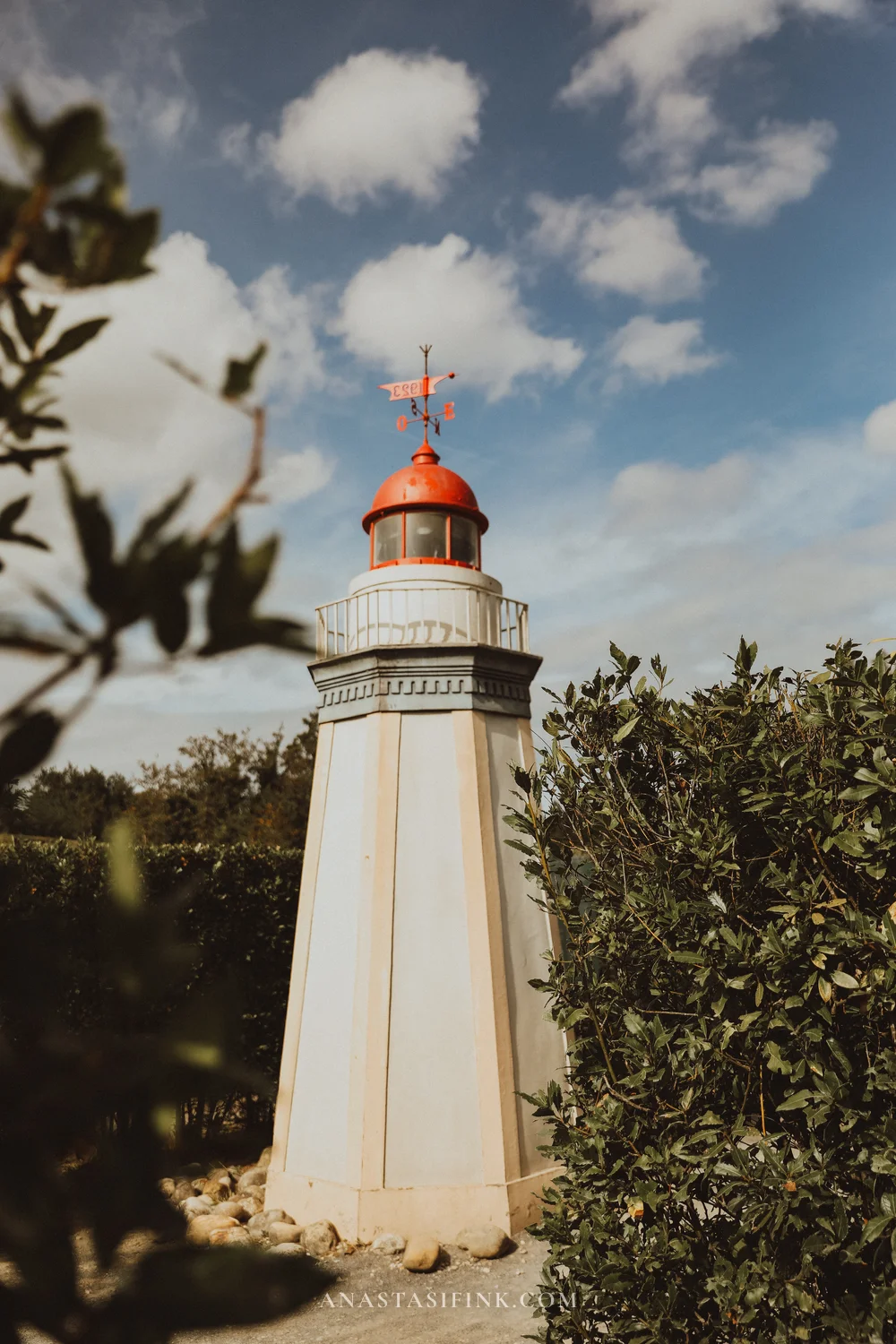
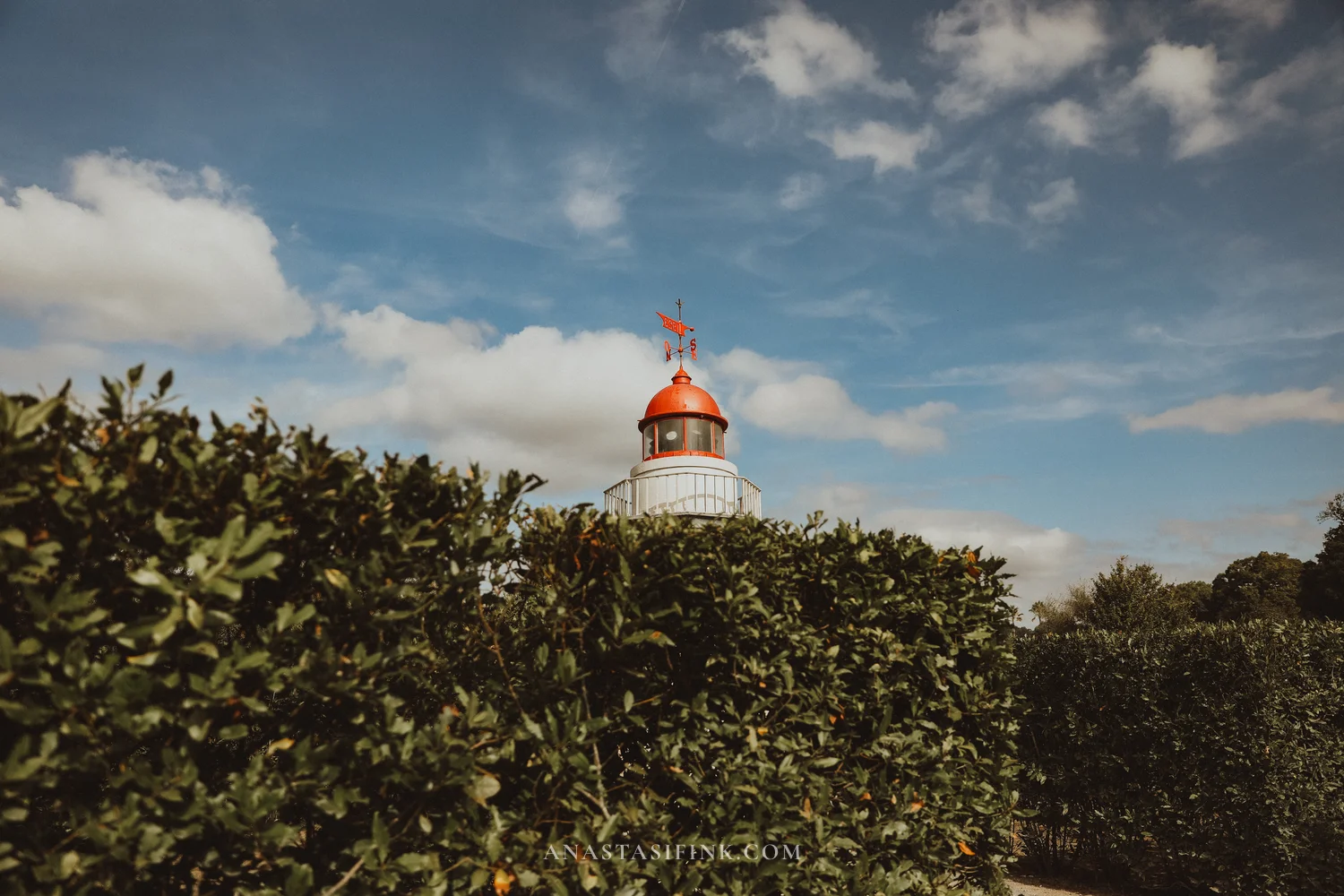
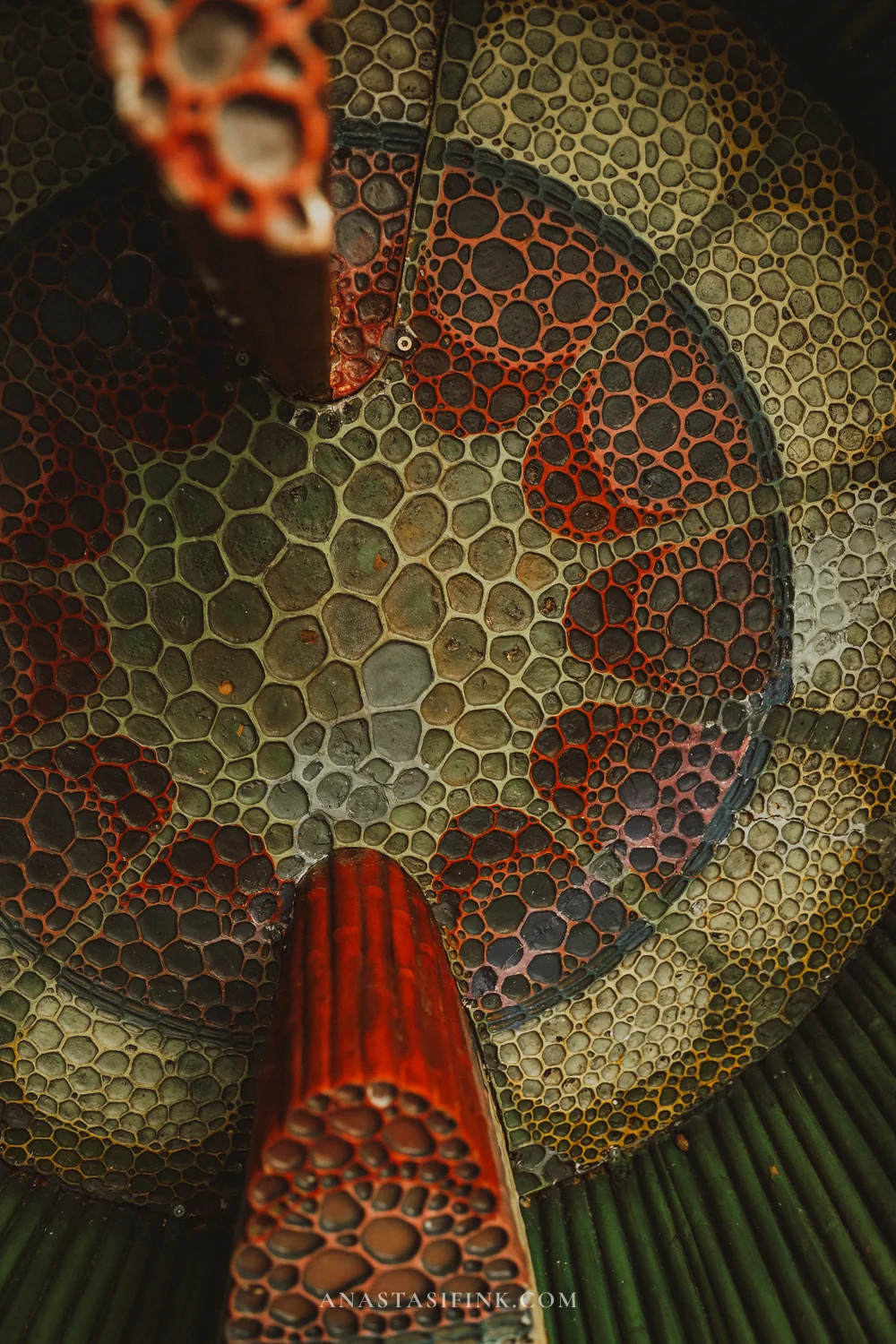
Hidden inside the lighthouse is a 3D model of what a plant looks like on the inside: cells and vessels magnified many times over. We have veins and arteries, and plants have vessels of their own. Some carry water and minerals up from the roots to the leaves, others carry the sugars made during photosynthesis from the leaves to the rest of the plant. If you’re with kids, definitely take a look inside the lighthouse.

By the maze there are two boards I really liked. The first, “Heroes and Villains of Our Plants”, is about the laurel psyllid (bay sucker), a tiny insect that sucks sap from the leaves and makes them curl up. The garden doesn’t use chemicals against it. Instead it releases a predatory bug, Anthocoris nemoralis, which tracks the psyllids down by their sweet secretions. The board is drawn like a comic, which makes it easier for kids to follow. The second one explains how a laurel stem is built – the same thing the model in the lighthouse shows, only in diagrams. It’s in Spanish and English.
And this is what the maze looks like from above:

3. American Boreal Biome: Wild Rice Marsh and Maples
Beyond the maze begins the American part of the Itinerario Atlántico. “Boreal” means northern: it’s the belt of conifer forests, bogs and lakes that stretches across Canada and Scandinavia. Here you’ll find black spruce (41) and jack pine (42) forests, a cranberry bog (46) and a wild rice marsh (45). This section only connects to the maze, and you can’t carry on to the rest of the Itinerario Atlántico from here. So I looked round the American part and went back to the entrance.
Wild rice (Zizania palustris) grows around the Great Lakes, and the Indigenous peoples of North America have harvested it since ancient times. It’s called rice because it looks similar, with long dark grains, but it isn’t related to Asian rice. In autumn, migrating birds feed in marshes like this one.
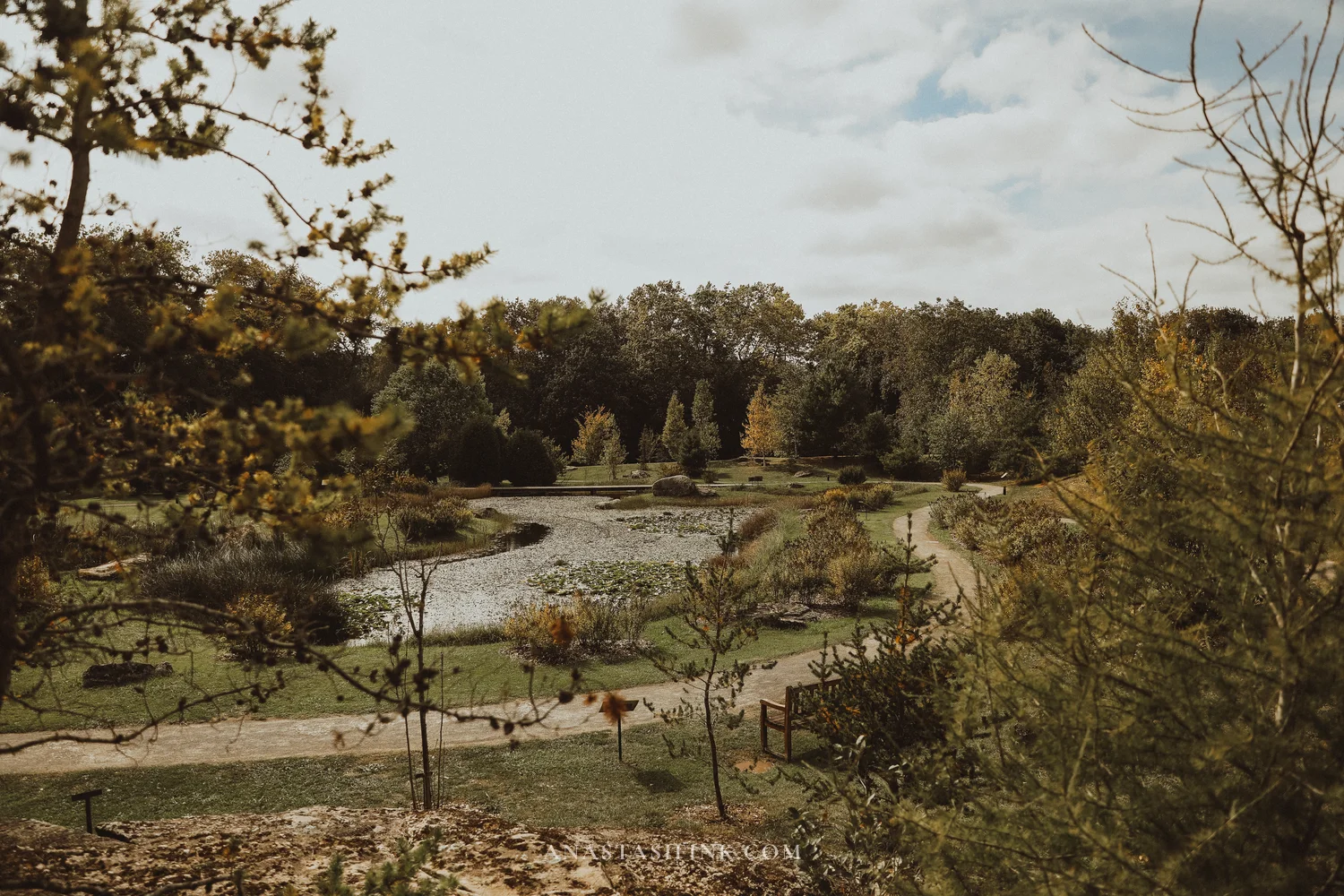
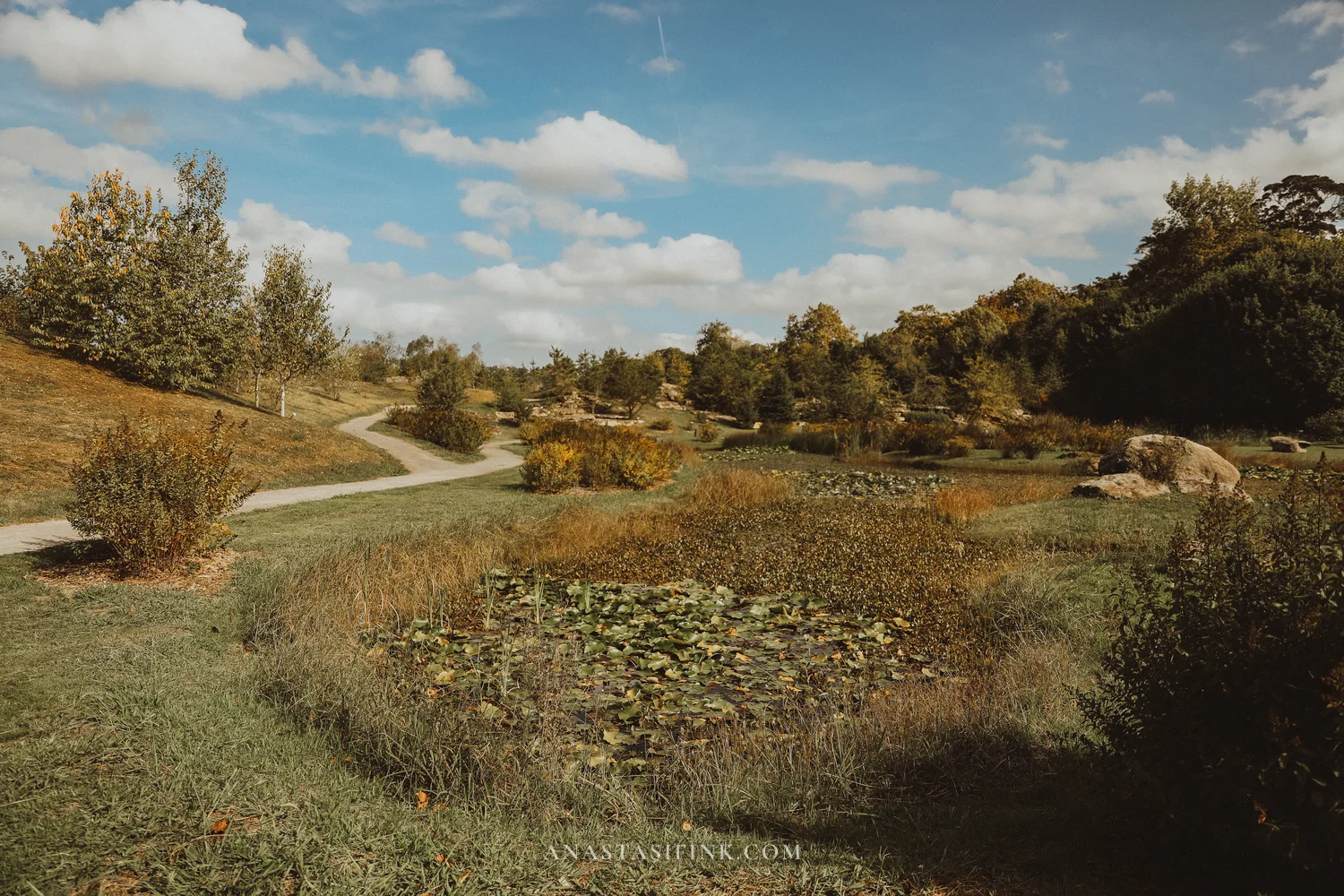
The wild rice marsh
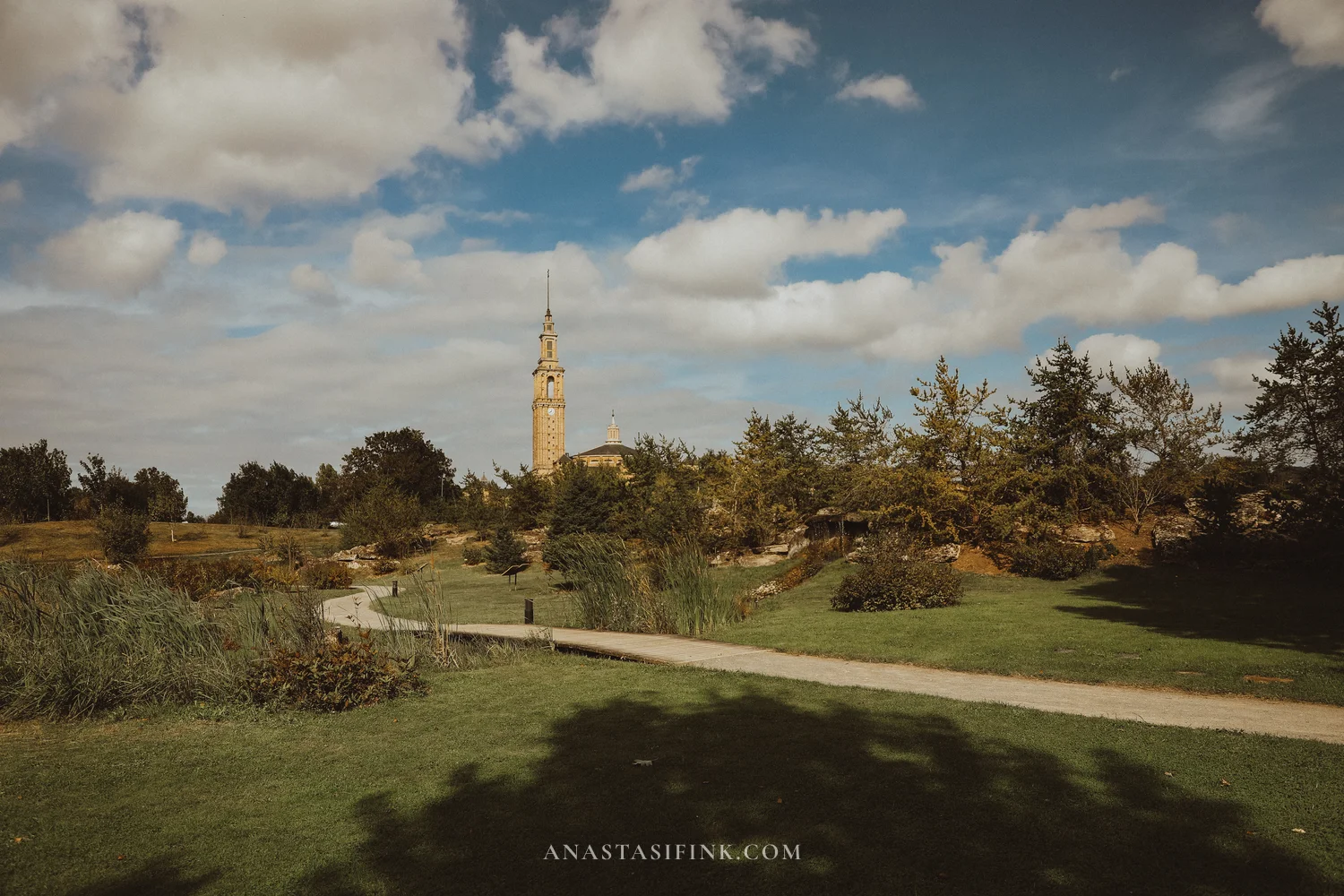
The board about jack pine (Pinus banksiana) explains that these forests grow on dry, rocky ground and cope well with fires.
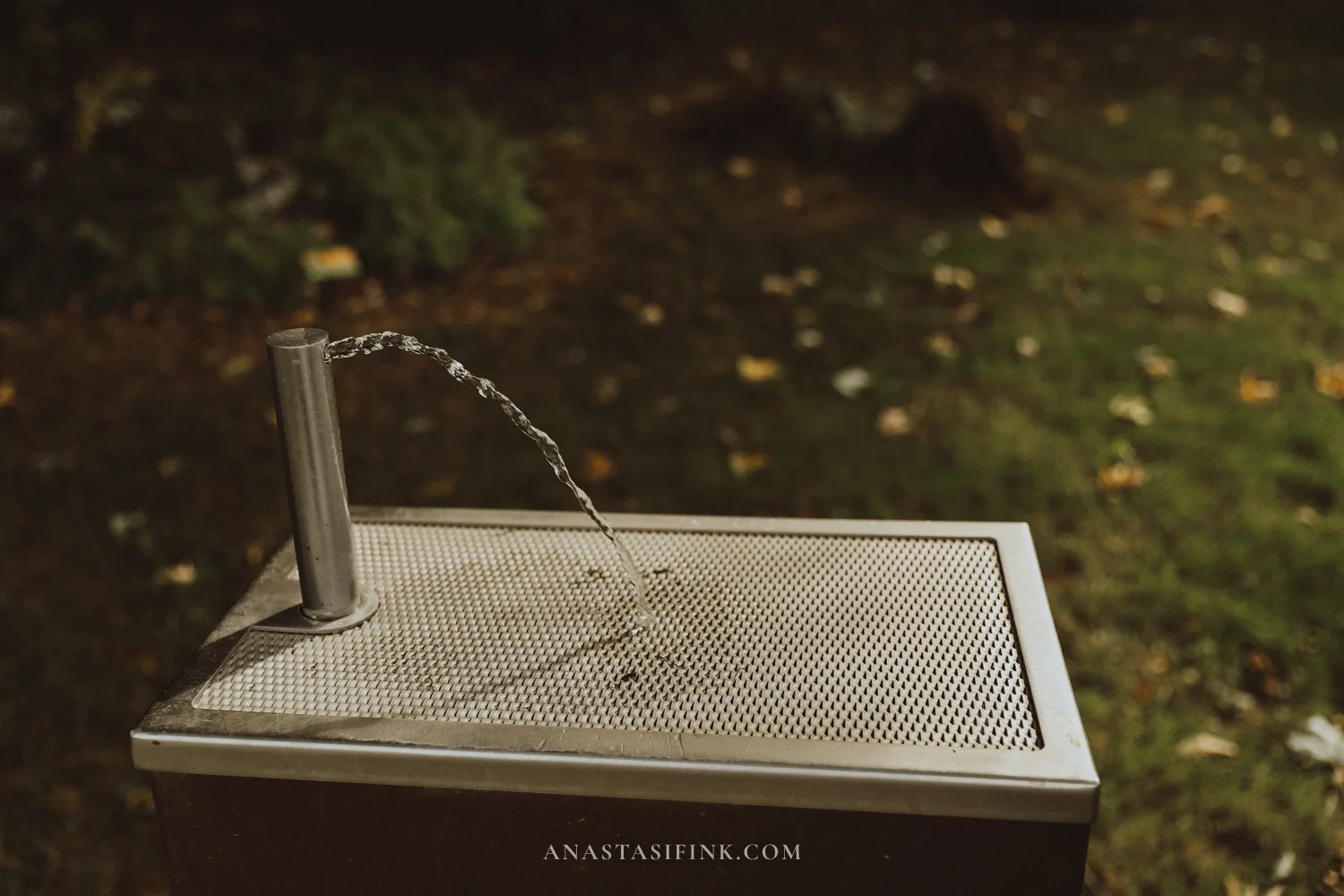
Along the way you’ll pass drinking fountains, and there are several of them in the garden.
Maples grow in the riverside forest with American alder (44). Every spring, the Indigenous peoples of eastern North America cut into maple bark and collected the sweet sap, then boiled it down into syrup. It takes 30 to 40 litres of sap to make one litre of syrup. Canada is still the world’s biggest producer of maple syrup.

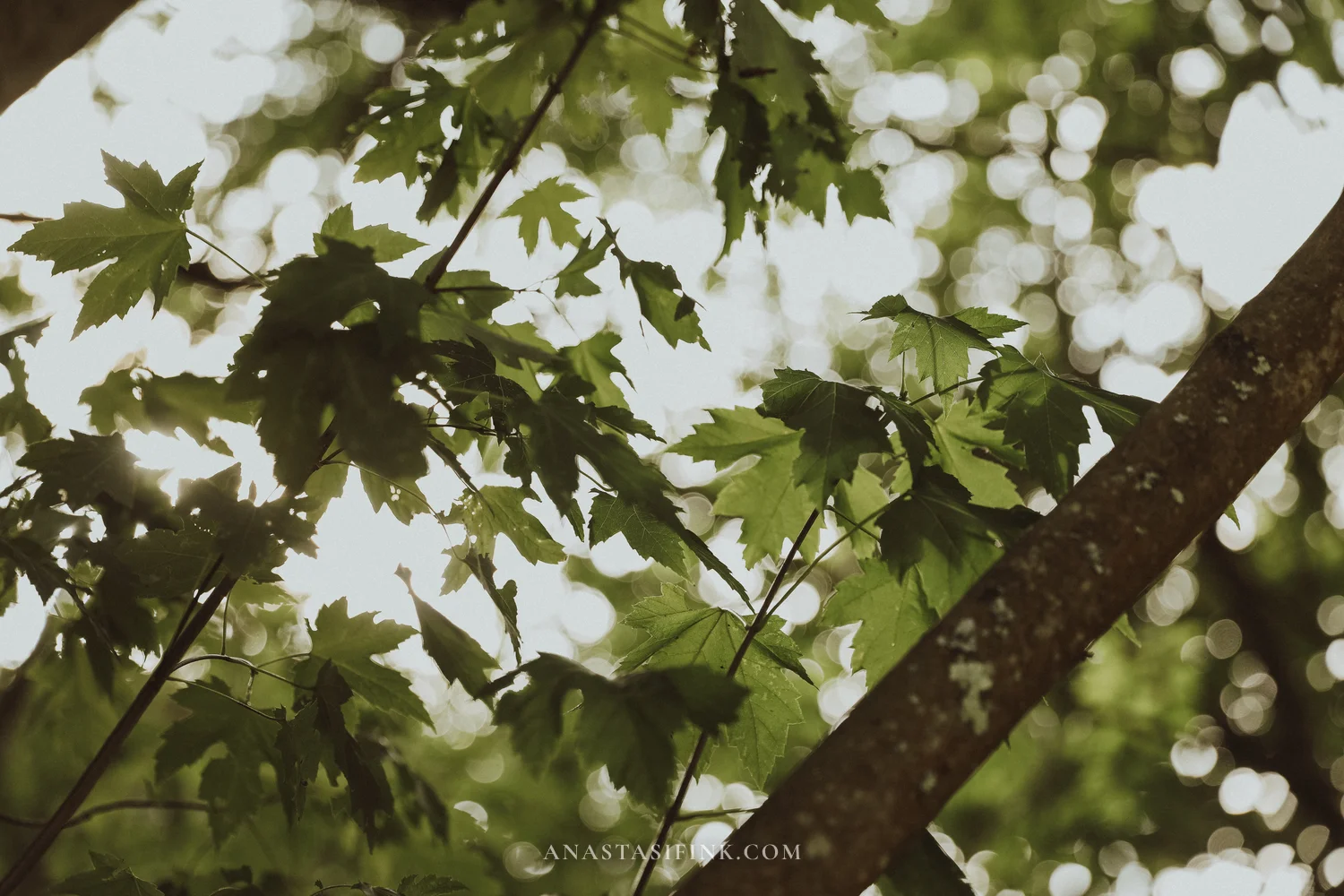
Maple
4. Jardín de la Isla: Footbridges, Ponds and the Story of an Estate
From the entrance I walked past the fern collection (5) and crossed the Peñafrancia stream to Jardín de la Isla. This is the oldest part of the botanical garden, the former estate of Gijón industrialist Florencio Valdés. The garden was laid out in the second half of the 19th century. Closer to the entrance there are ponds with aquatic plants (25), brick footbridges with white railings and tree ferns, and further in, ornamental shrubs (18) and plants of the East (17).
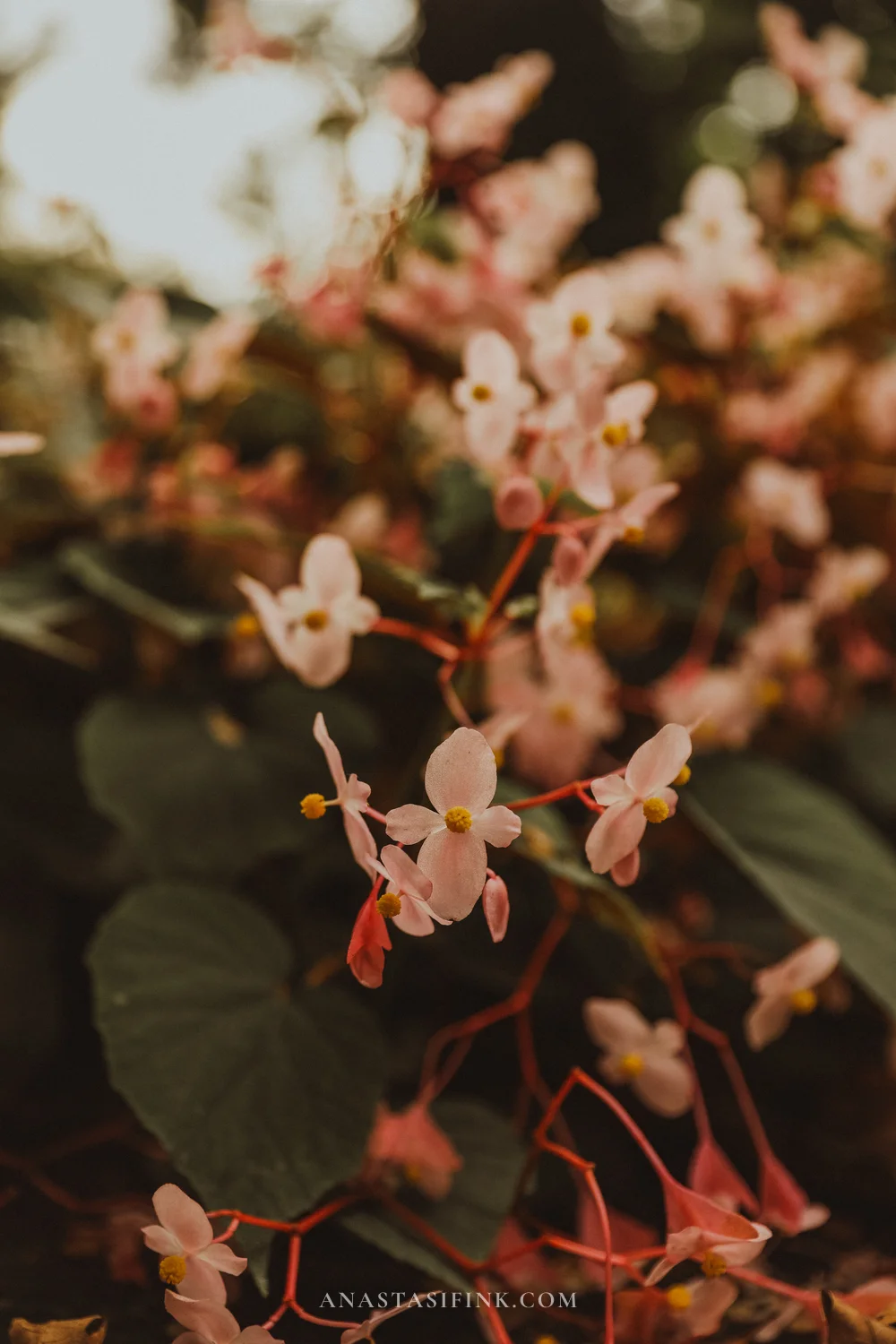

This part doesn’t feel like a botanical collection at all, it’s simply a lovely old park. It’s shady and quiet, begonias grow along the footbridges and tree ferns hang over the water.
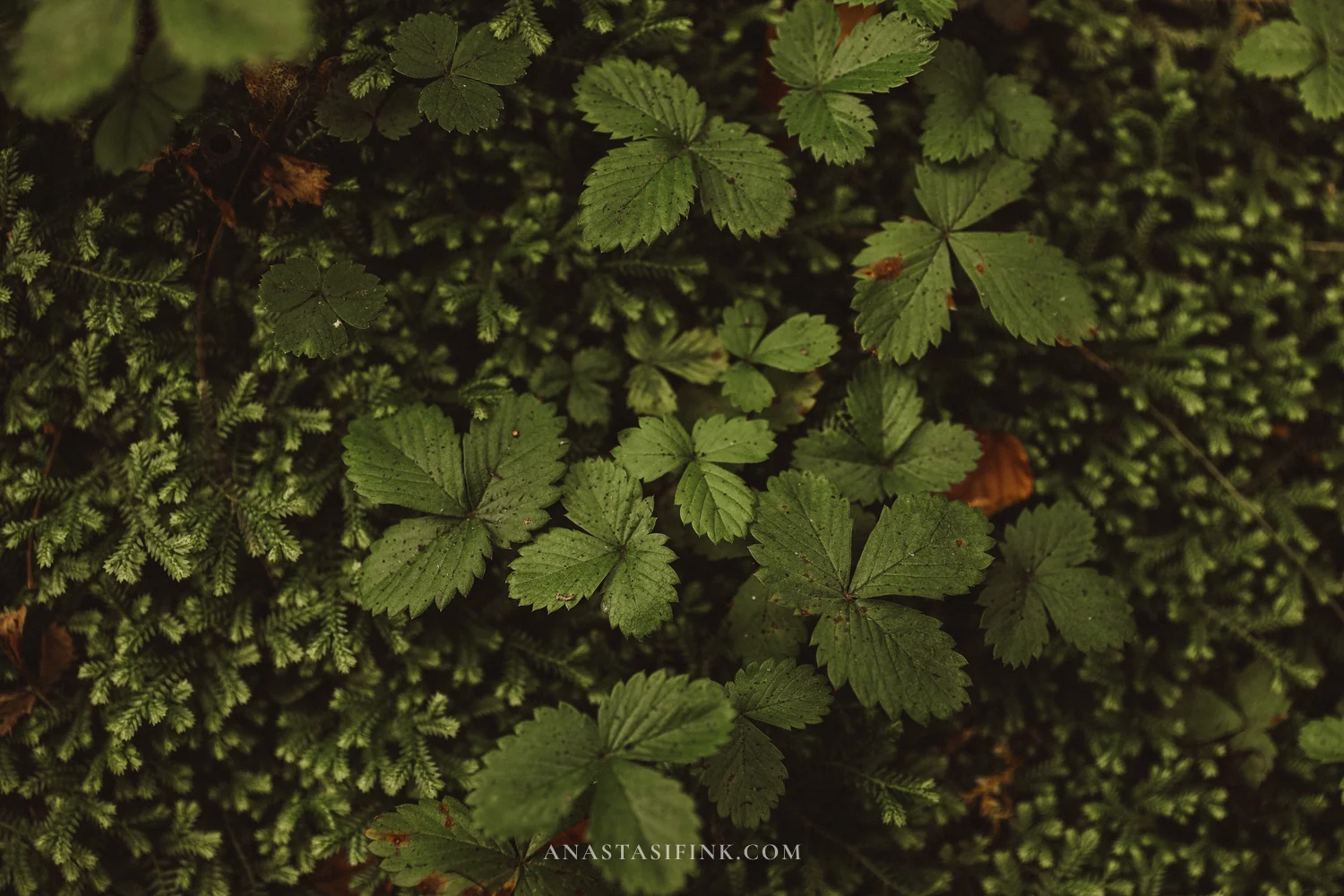

Wild strawberry and a footbridge over the pond
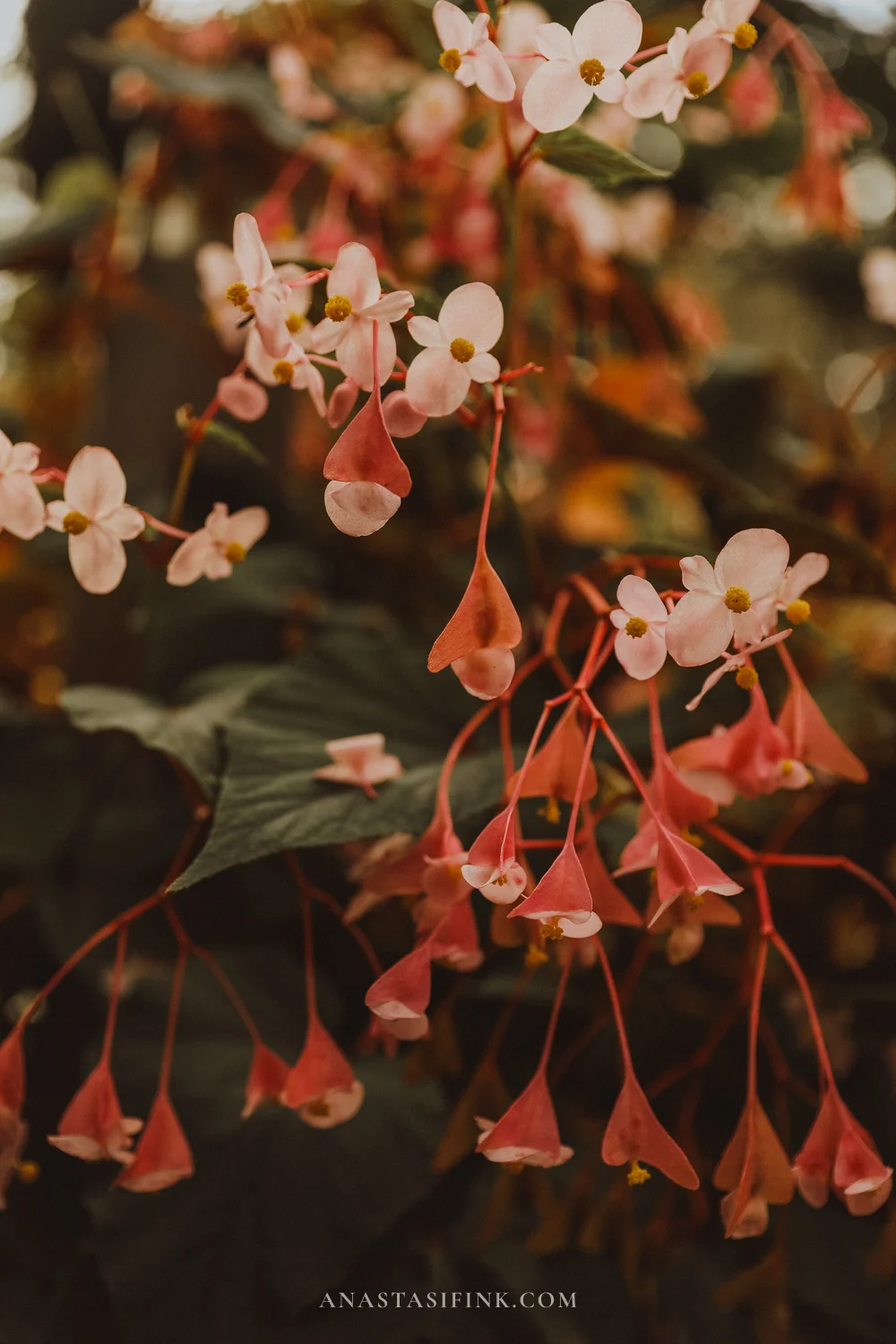
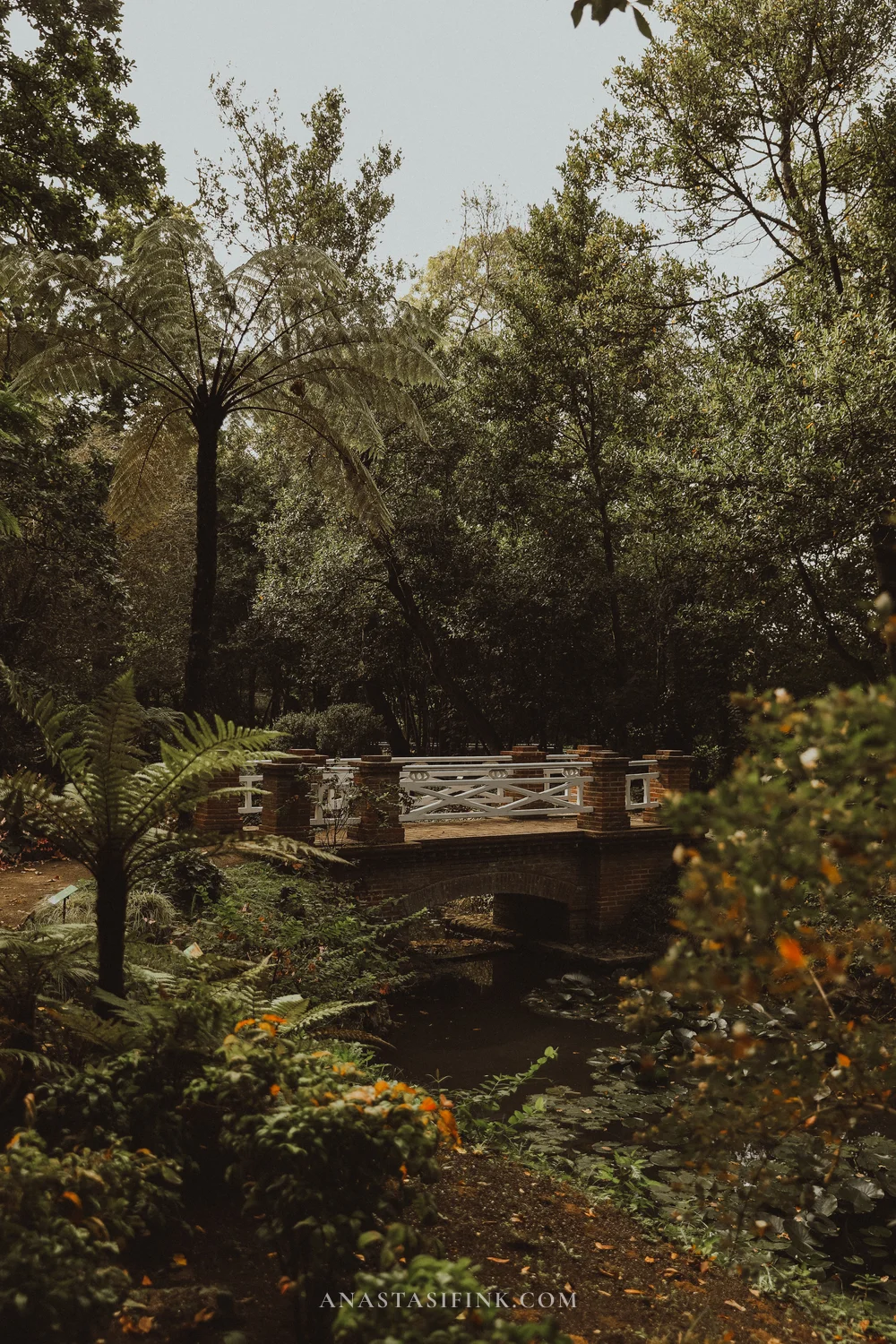
Begonia and a tree fern

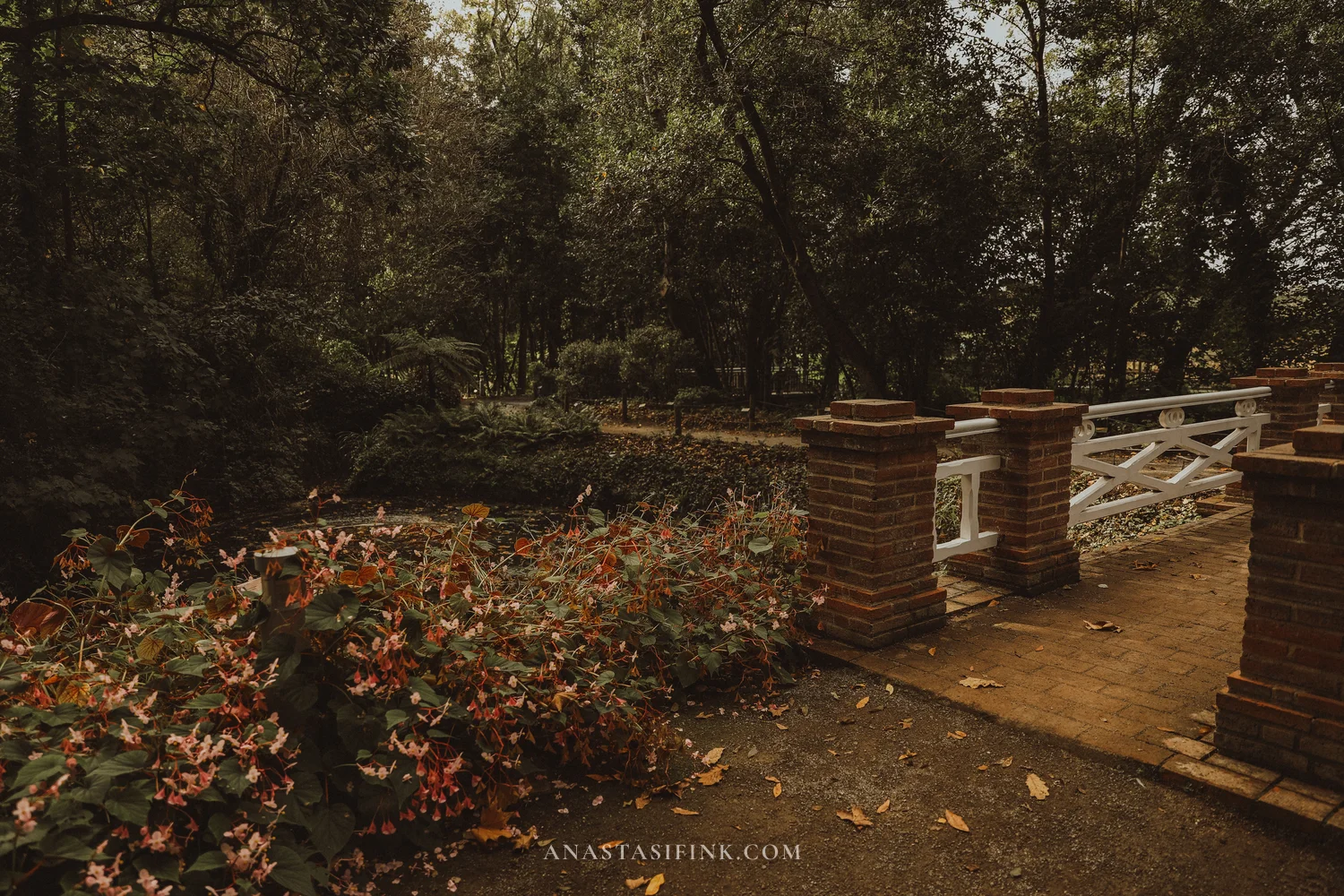
Begonias along the footbridge
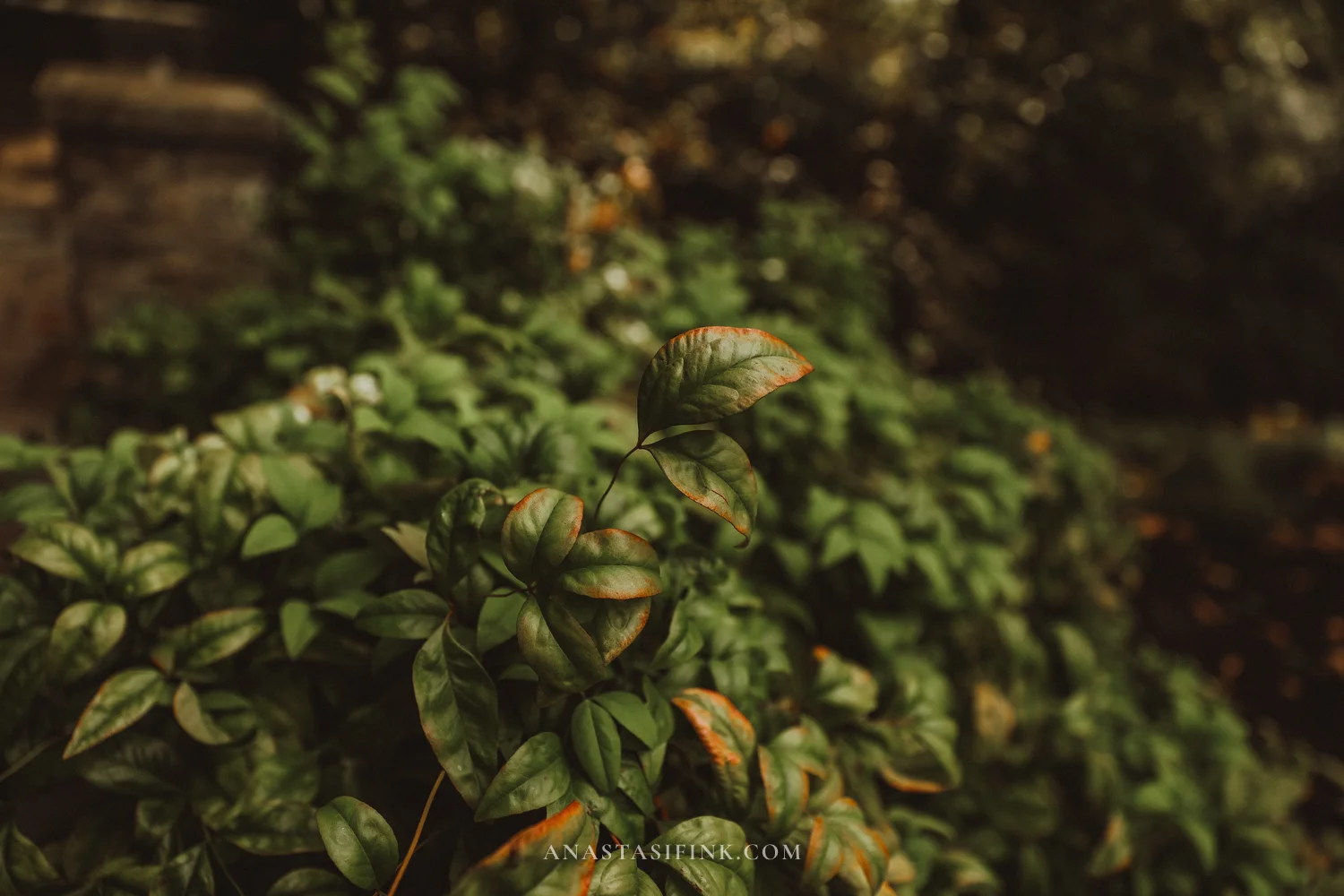
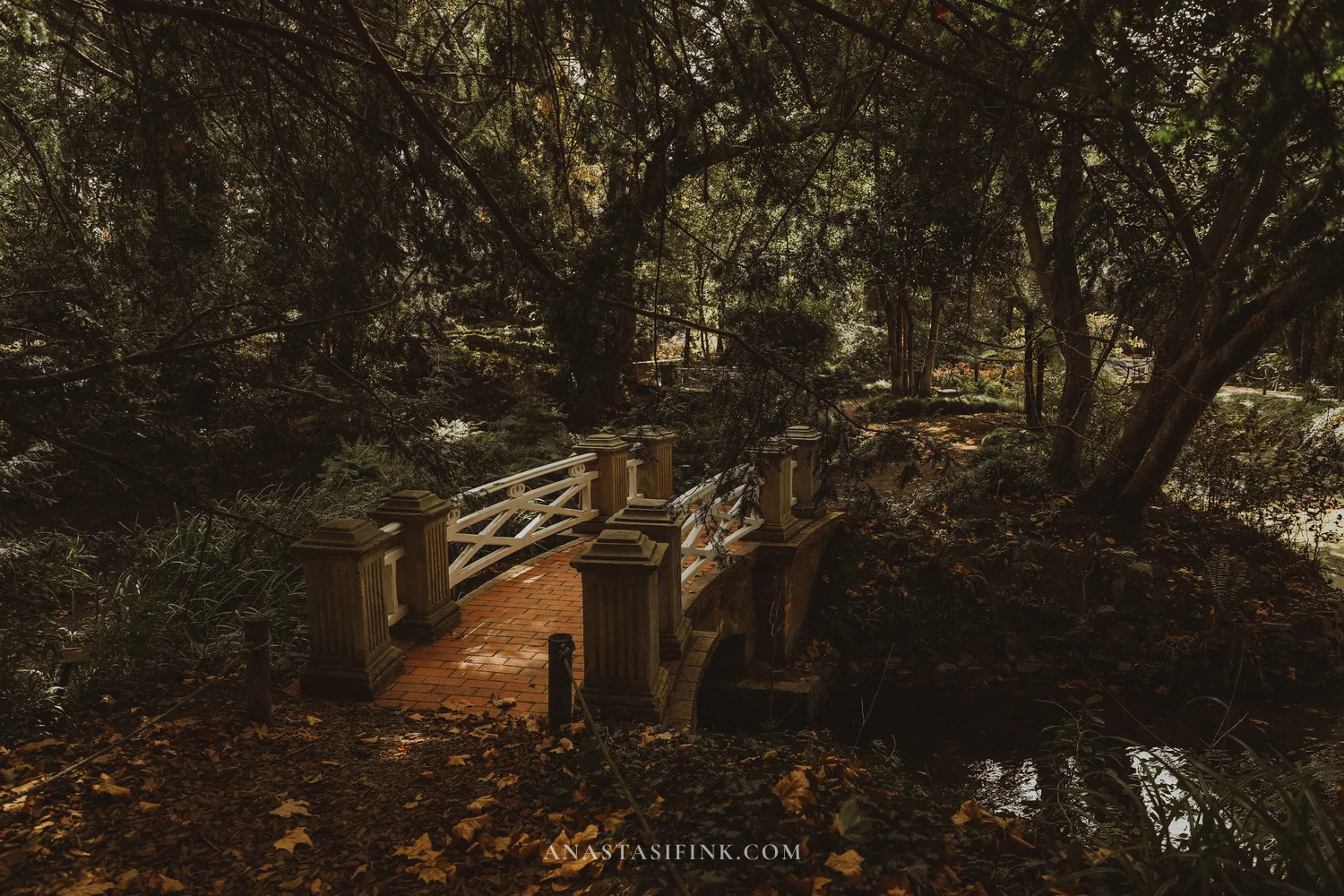
Nandina
Along the stone wall there are panels about the history of the estate, in Spanish only. They cover Valdés’s glass factory, his family and how the port of Gijón was being expanded at the time. There are lots of old photos of the house and garden.


Florencio Valdés and his family
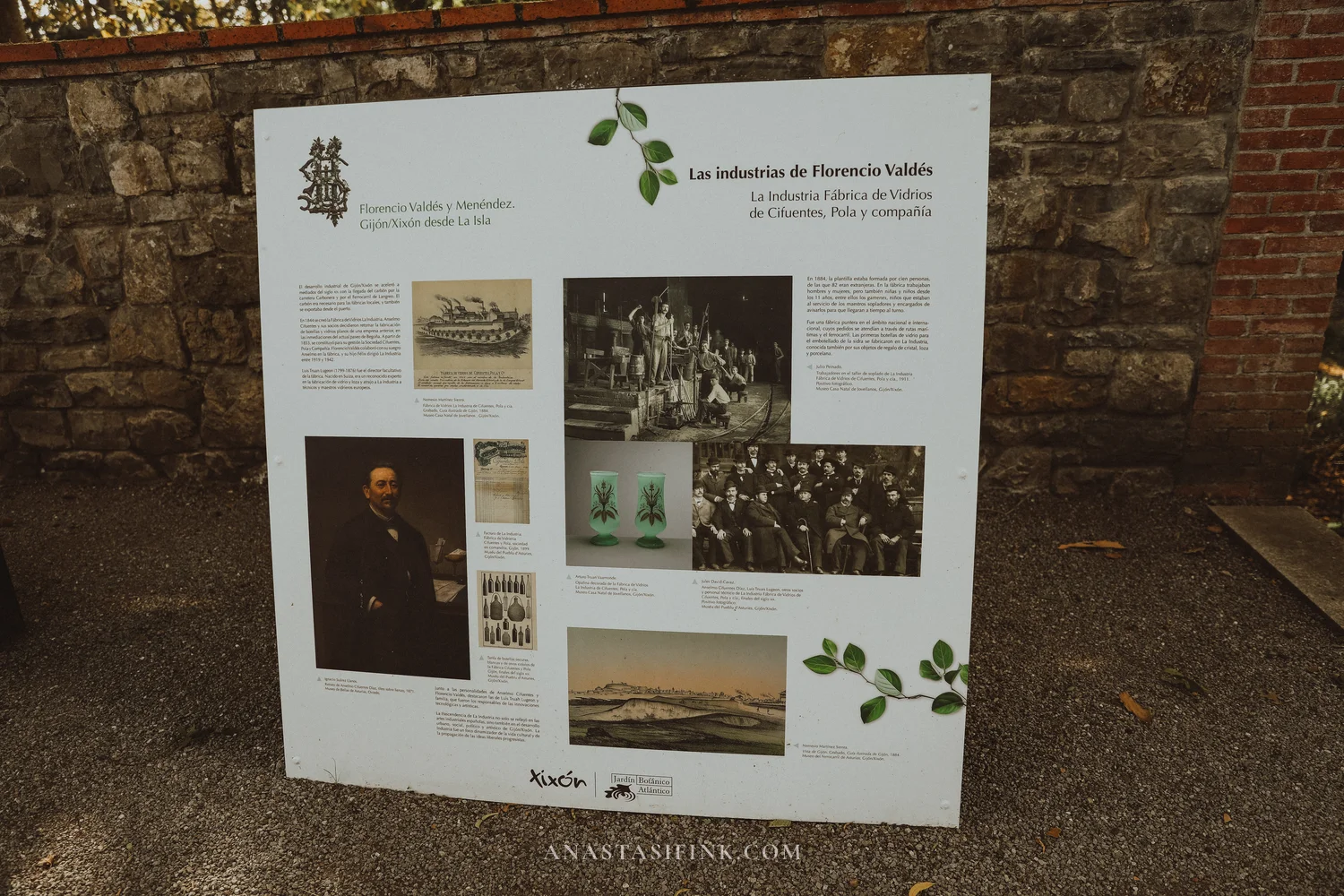
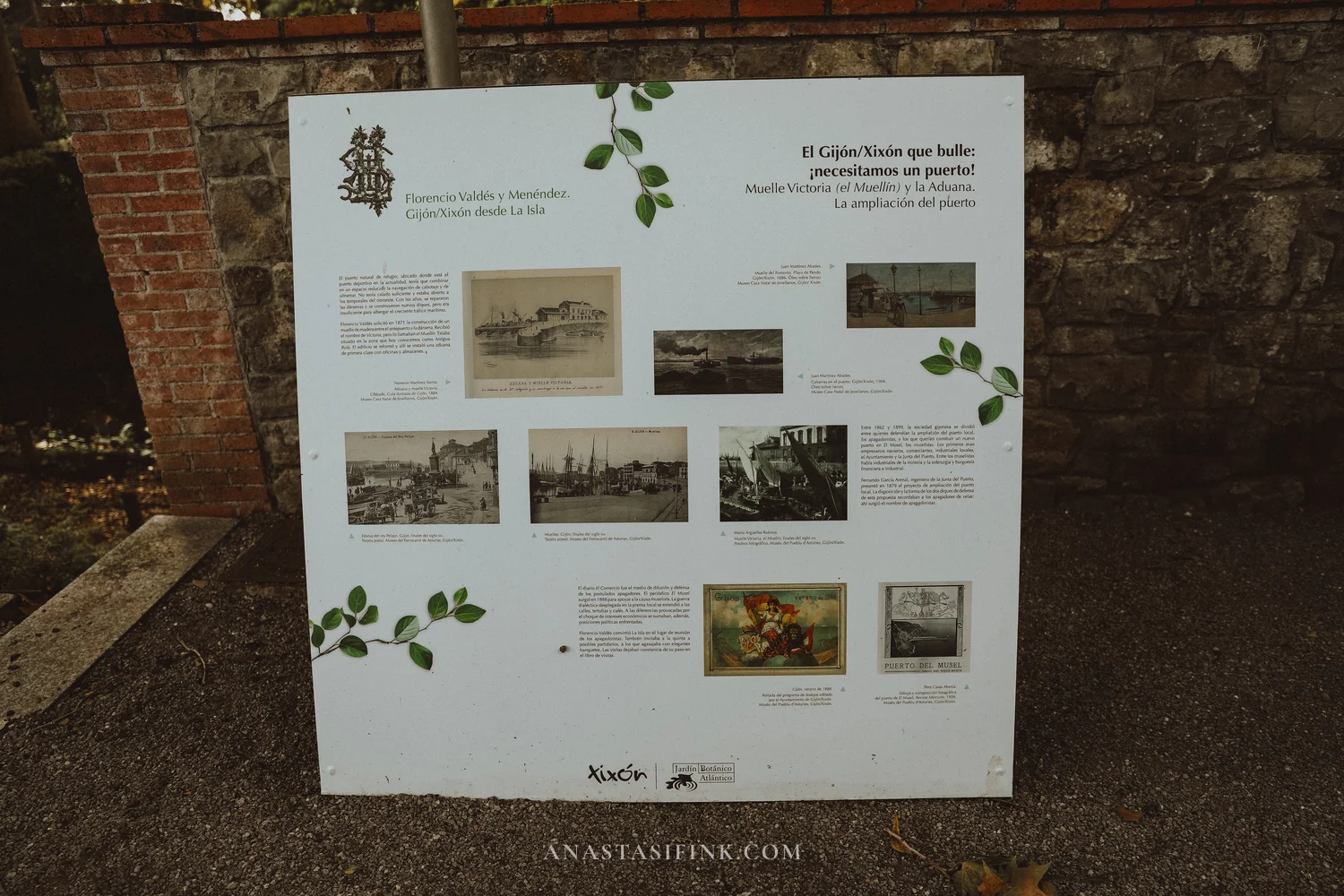
The glass factory and the port of Gijón
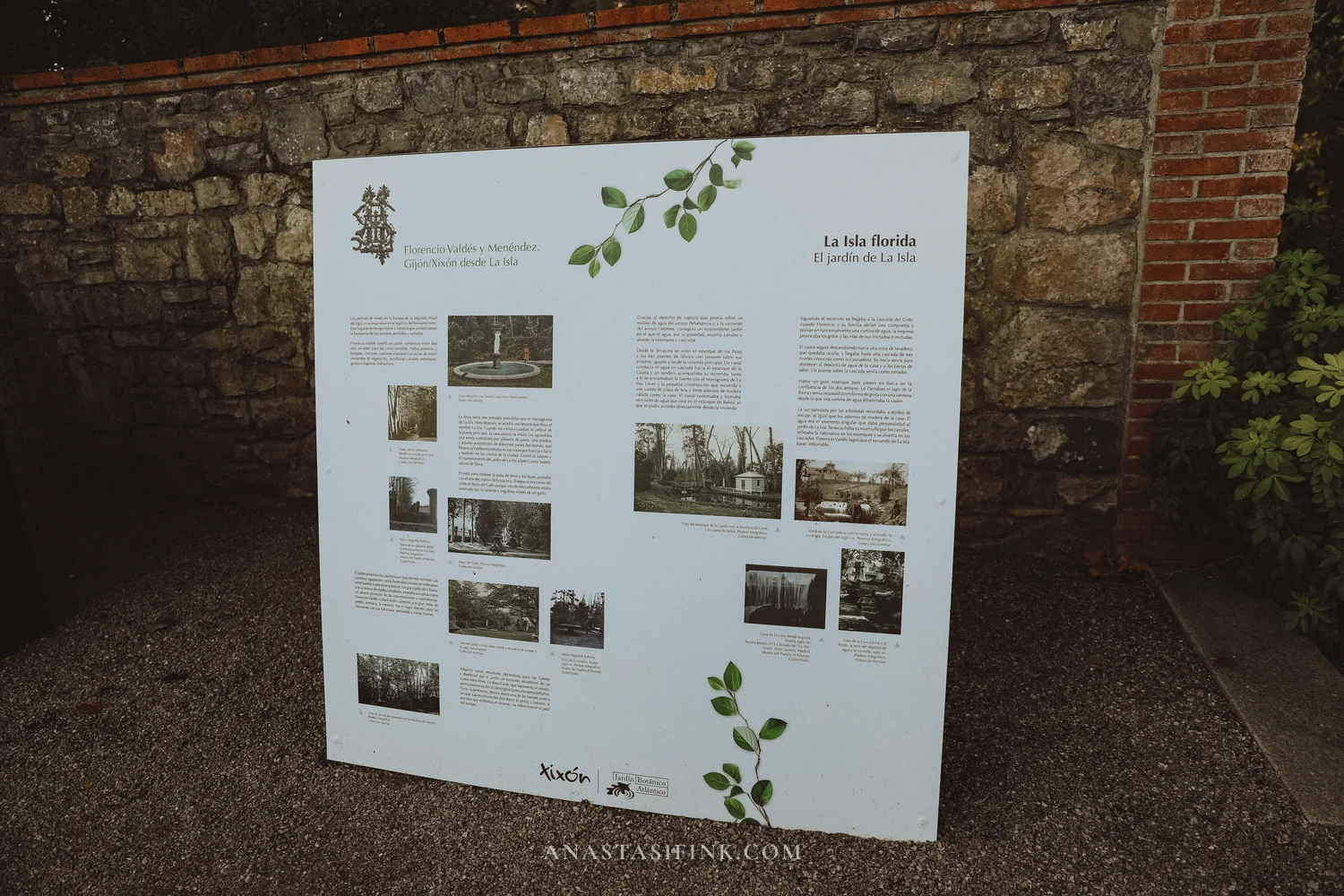
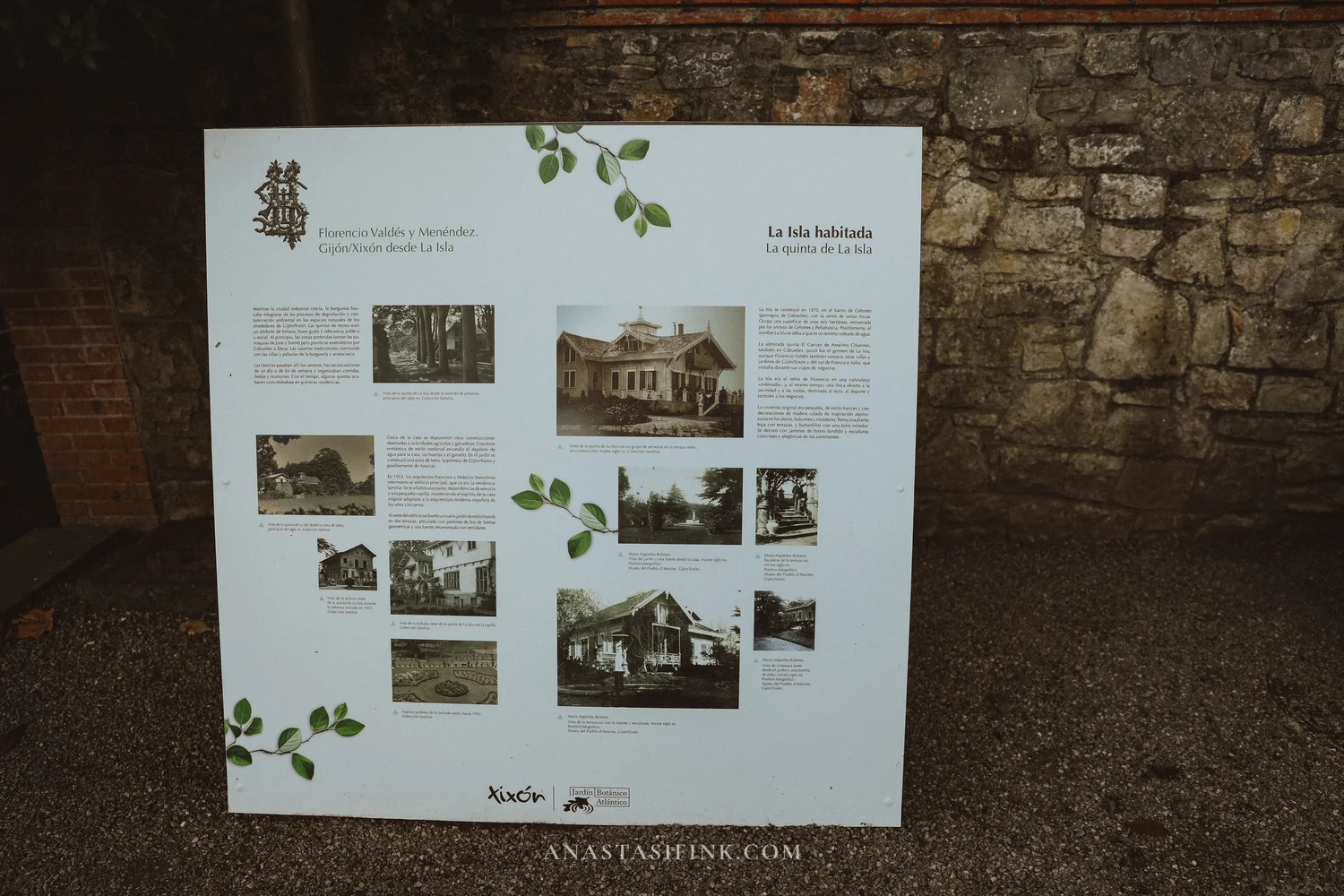
The estate’s garden and house in old photos
5. The Pavilions: History of Gardens and Cantabrian Flora
From Jardín de la Isla I walked past the New World fruit trees (11) to the upper part of the Factoría Vegetal. There are two exhibition pavilions here, with toilets next to them. Make sure you go inside: they have some of the most interesting displays in the whole garden.
The Cantabrian room covers the region’s climate, flora and plant conservation, and there’s a relief model of the landscape with a cross-section of the rock layers. The other room tells the history of gardens: from Eden, Egypt and the Hanging Gardens of Babylon to the Alhambra in Granada, Versailles and modern parks. At the board about Arab gardens you can smell jasmine and orange blossom. Rotating cubes tell the stories of plants brought to Europe by “plant hunters”. For example, in the 16th and 17th centuries people paid up to 1,500 gold coins for a single tulip bulb.

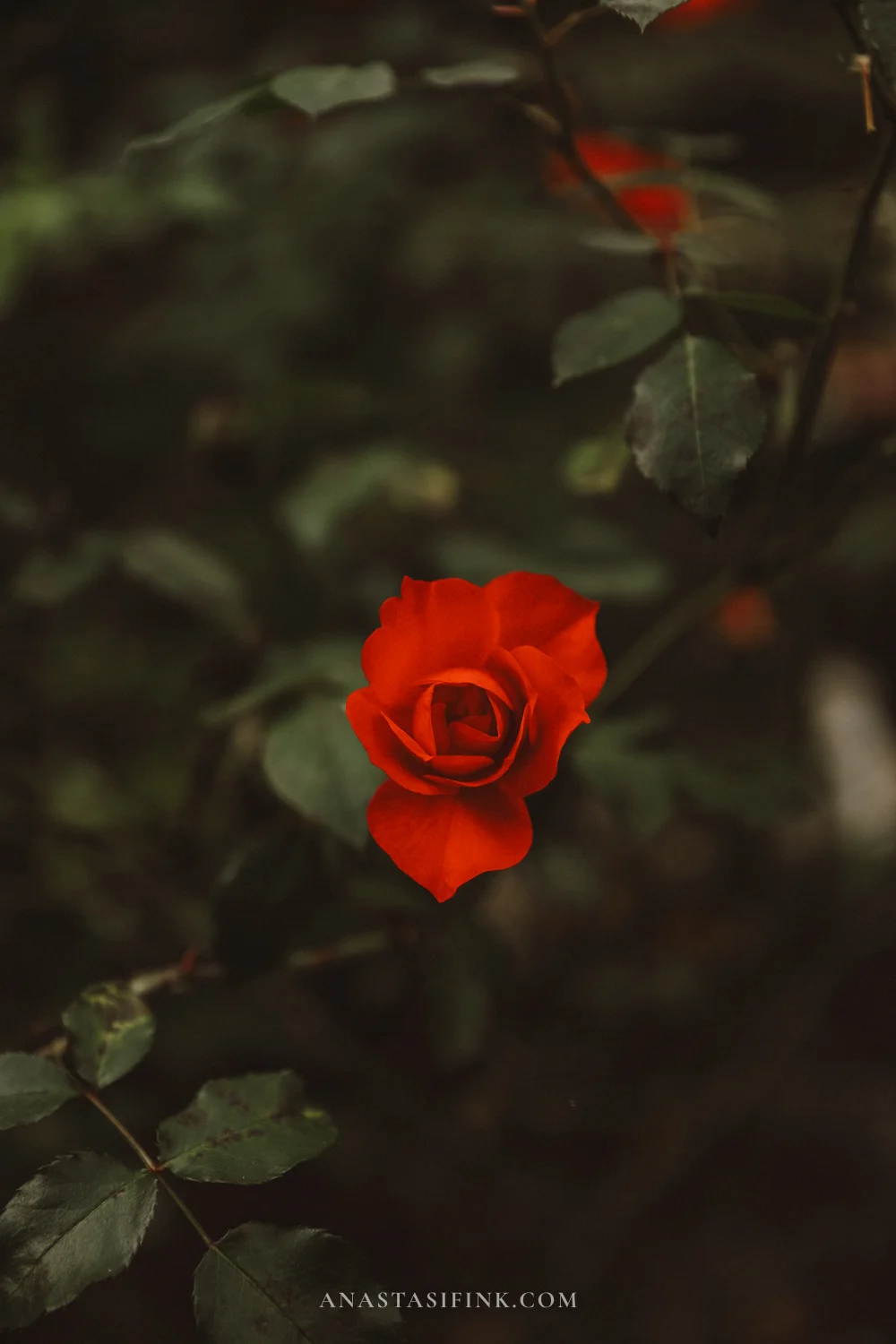
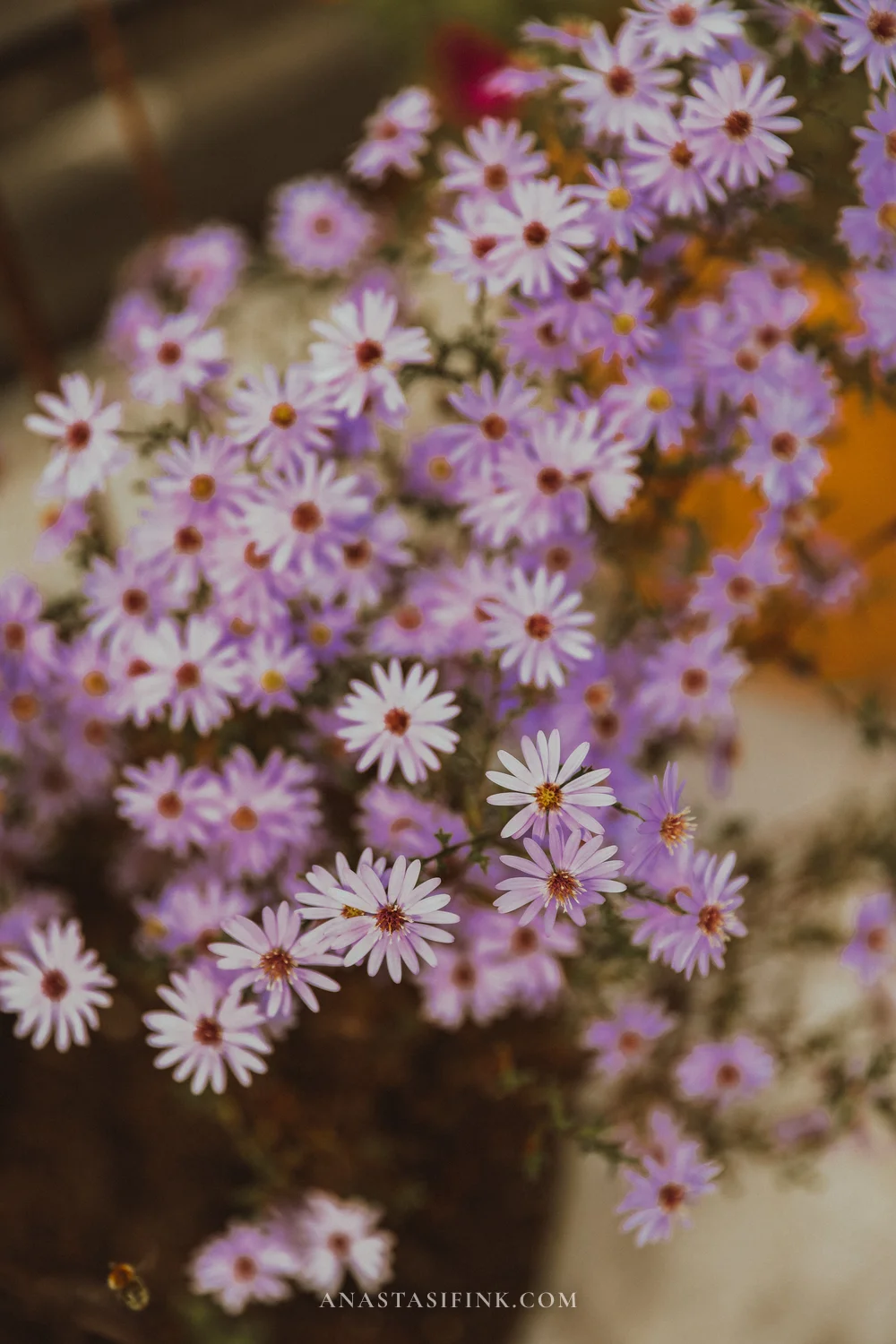
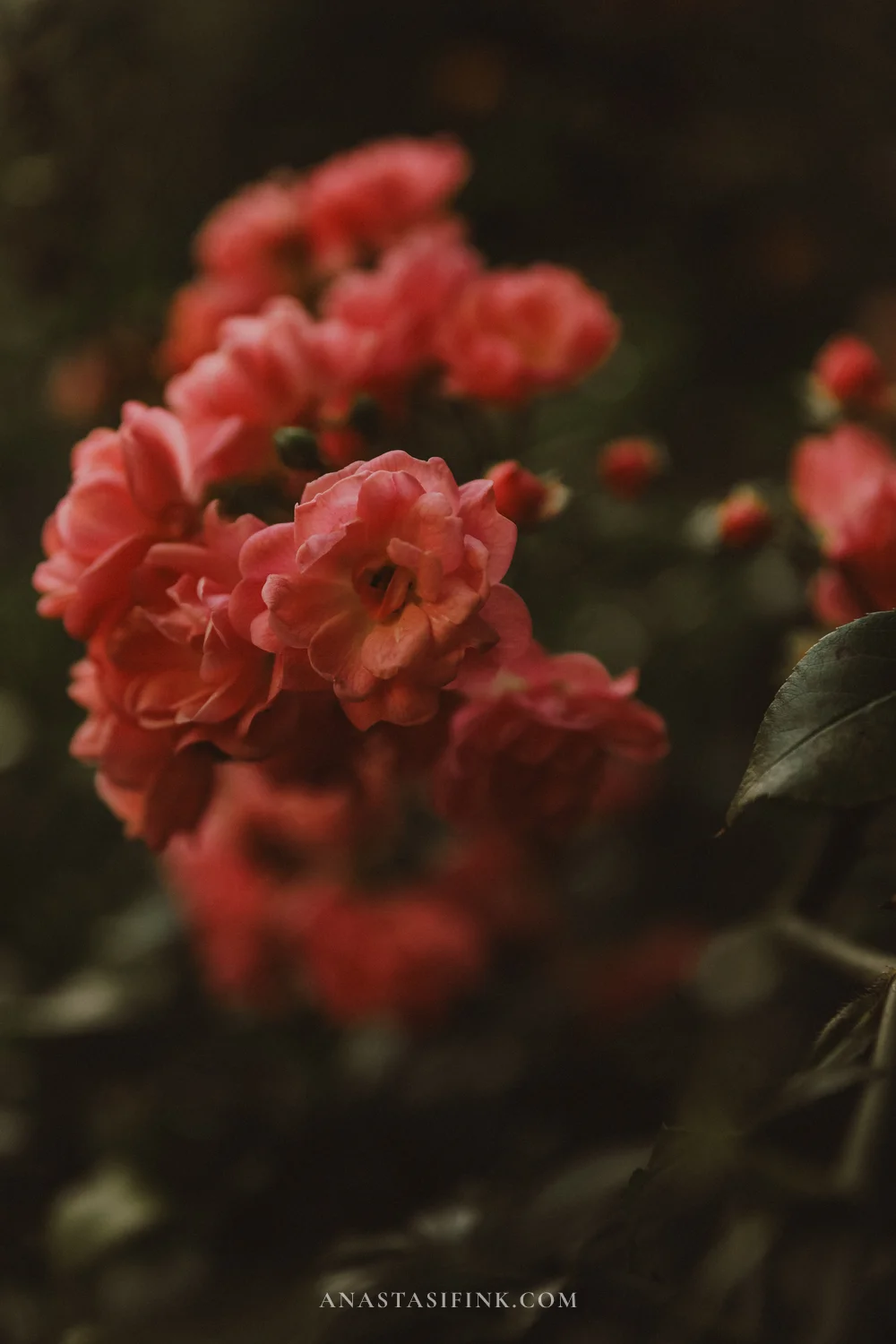
A rose and asters
6. Factoría Vegetal: New World and Old World Vegetable Gardens
The Factoría Vegetal (Plant Factory) is the part of the garden about plants people use: edible, medicinal, aromatic, ritual and honey plants (16). Next to the pavilions there are plants from the Americas, such as the Peruvian pepper tree and agave.


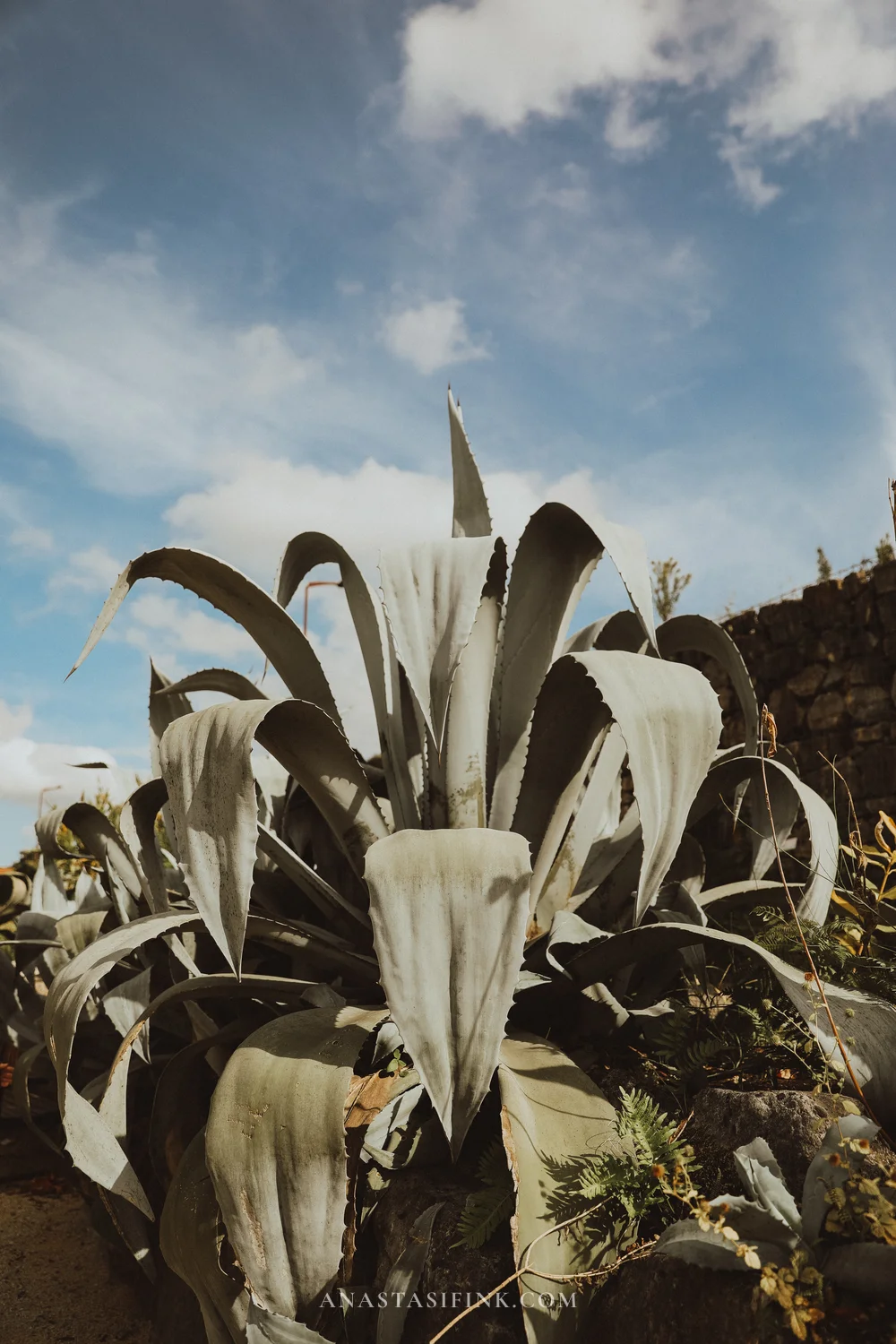
Peruvian pepper tree and agave
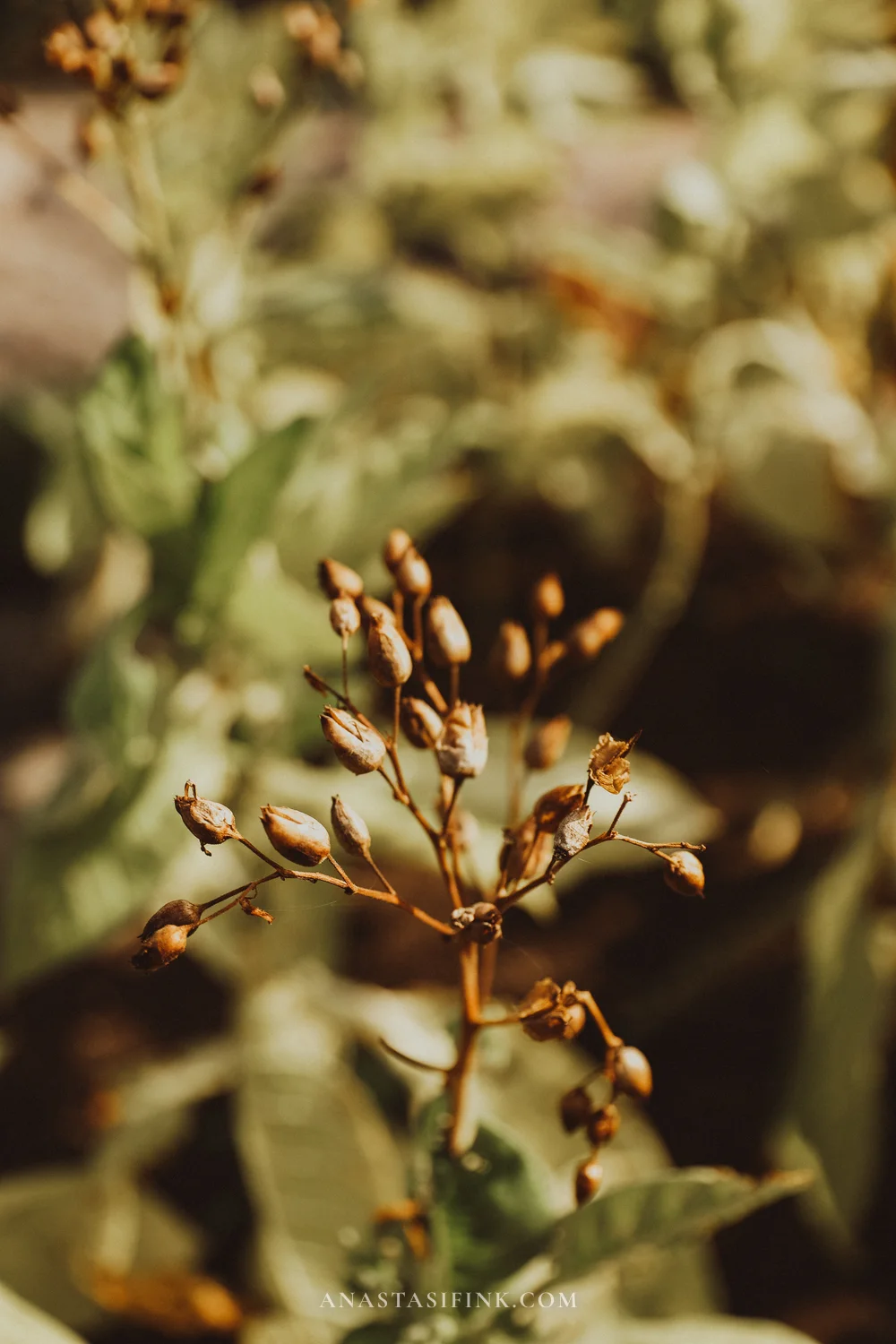
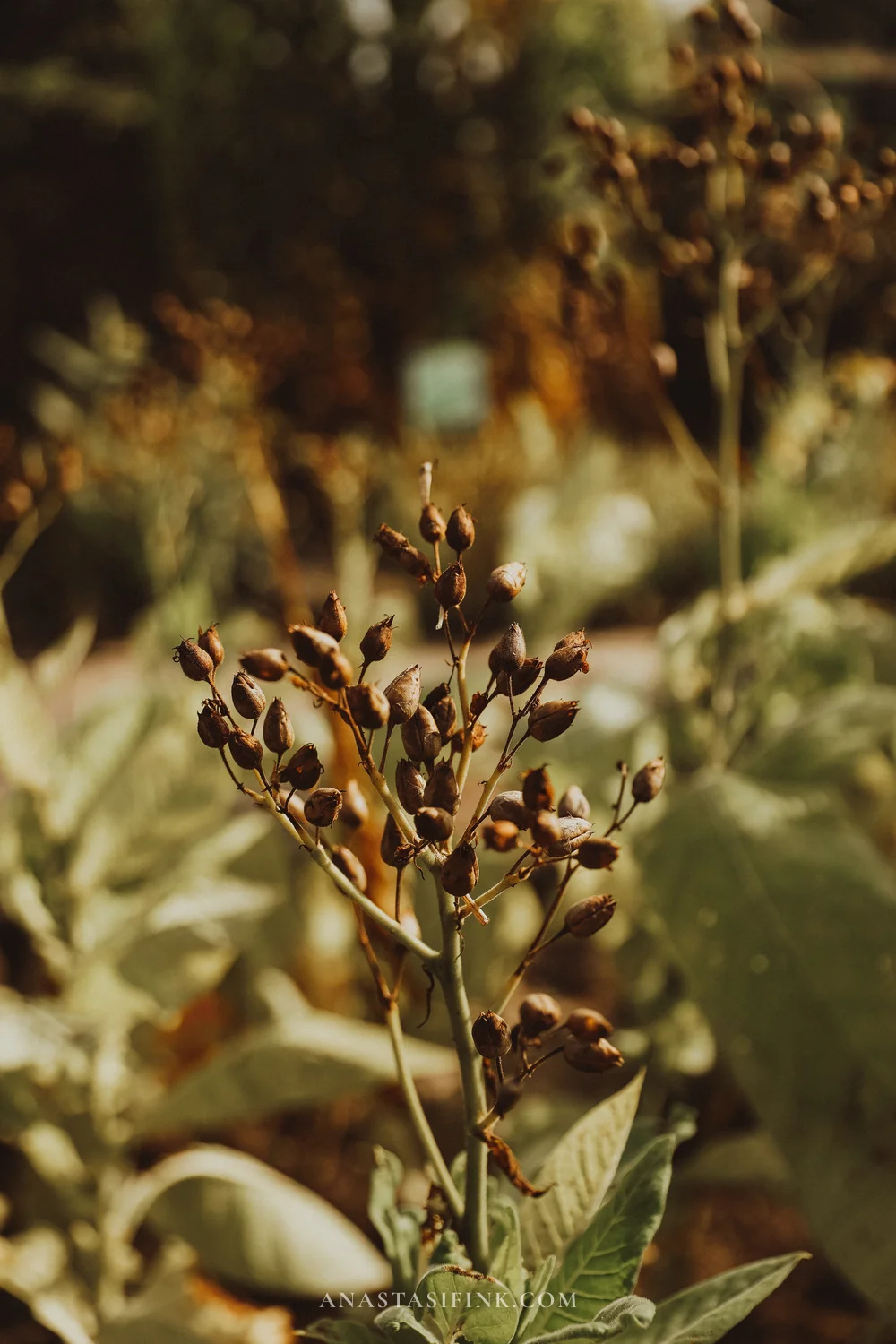
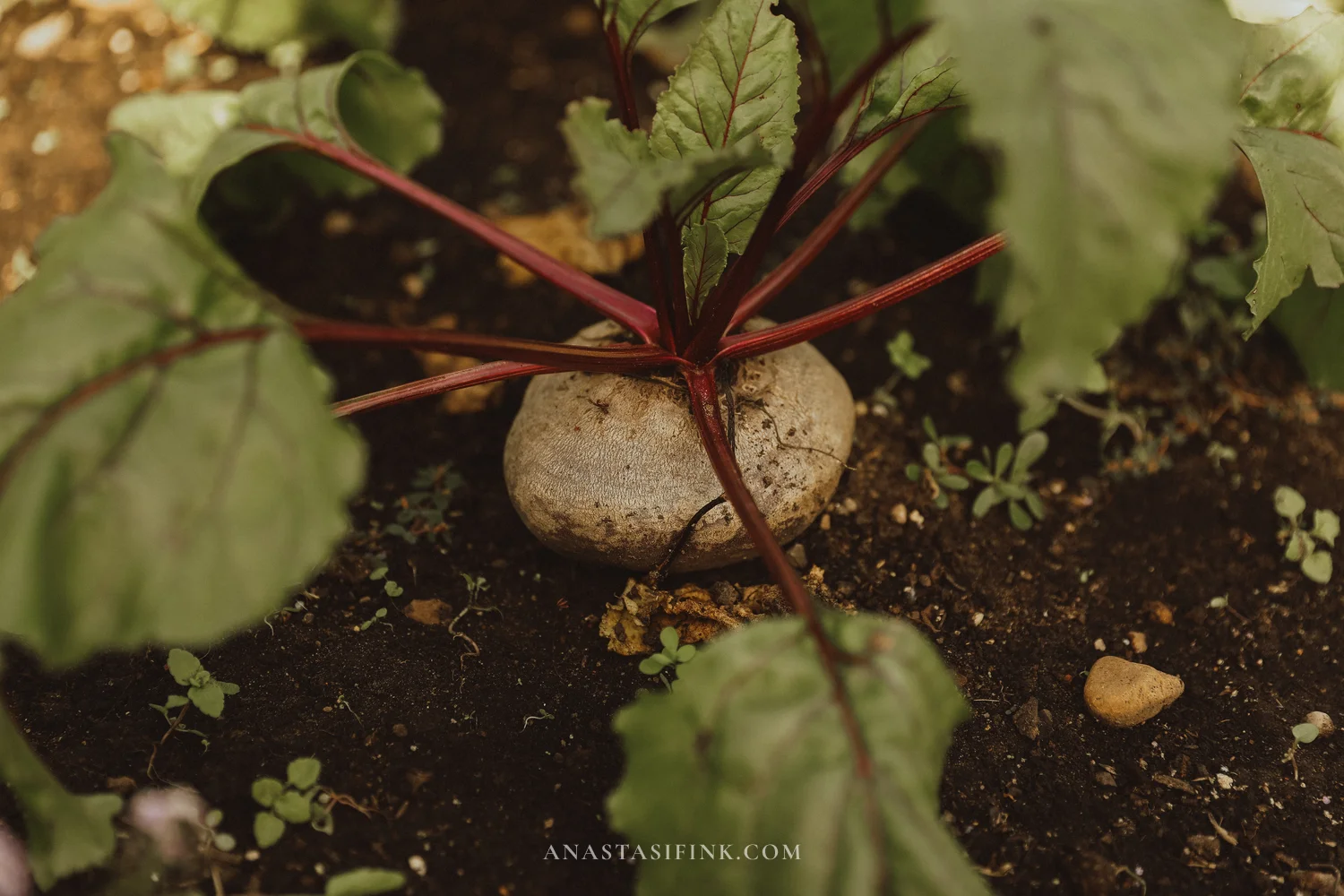
The vegetable gardens are split into the New World and the Old World. The New World gardens (15) grow crops that came to Europe from the Americas: pumpkins, peppers, corn and tomatoes. The Old World gardens (14) have watermelons, okra, eggplants, beetroot and leeks. Each crop has a label with its name, where it comes from and a QR code. There’s even a separate bed of weeds and roadside plants (13).


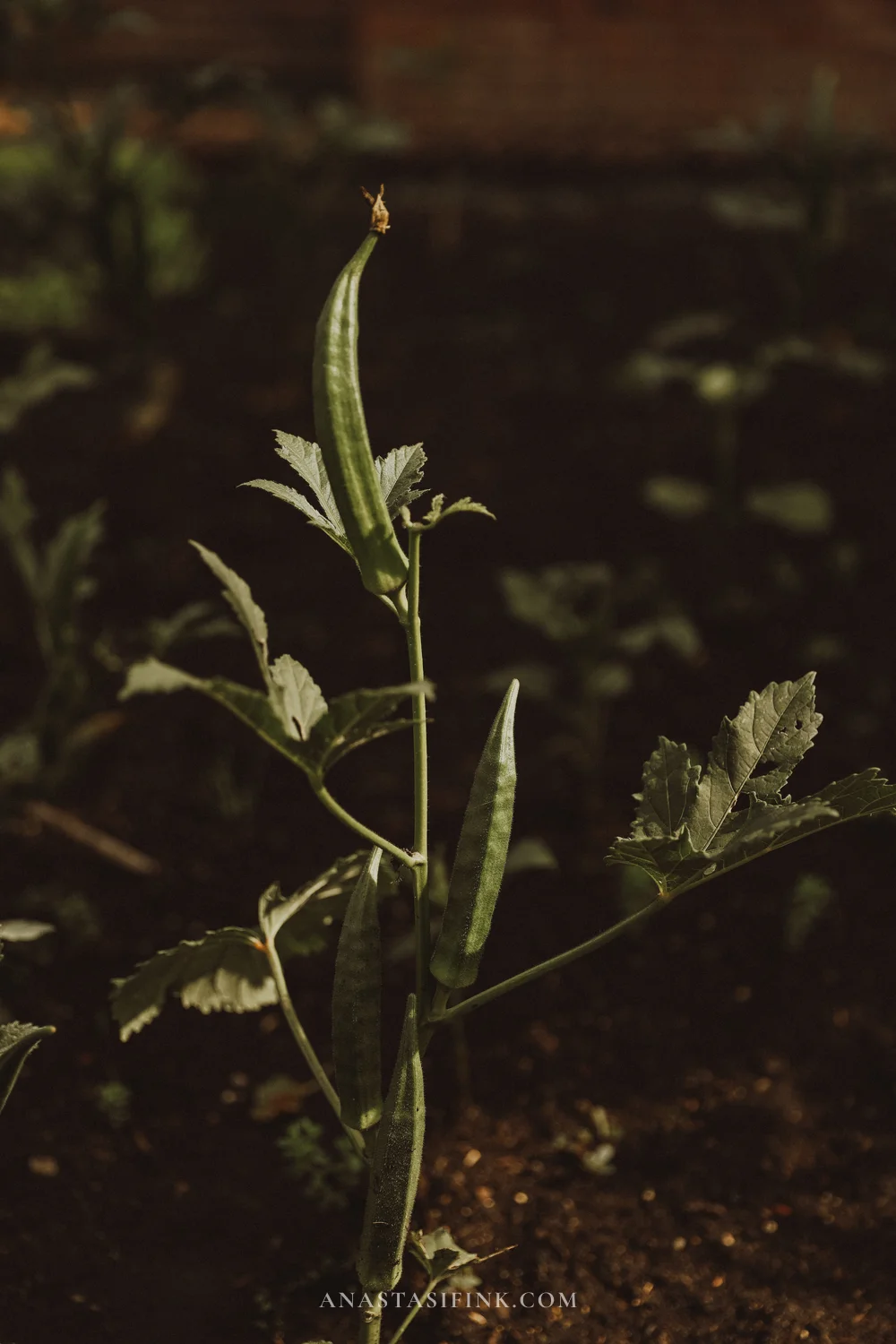
Okra from East Africa
The biggest surprise in the vegetable garden was the white “White Egg” eggplants. They really do look like hen’s eggs. That’s where the English word eggplant comes from: the first eggplants Europeans saw were white and oval.
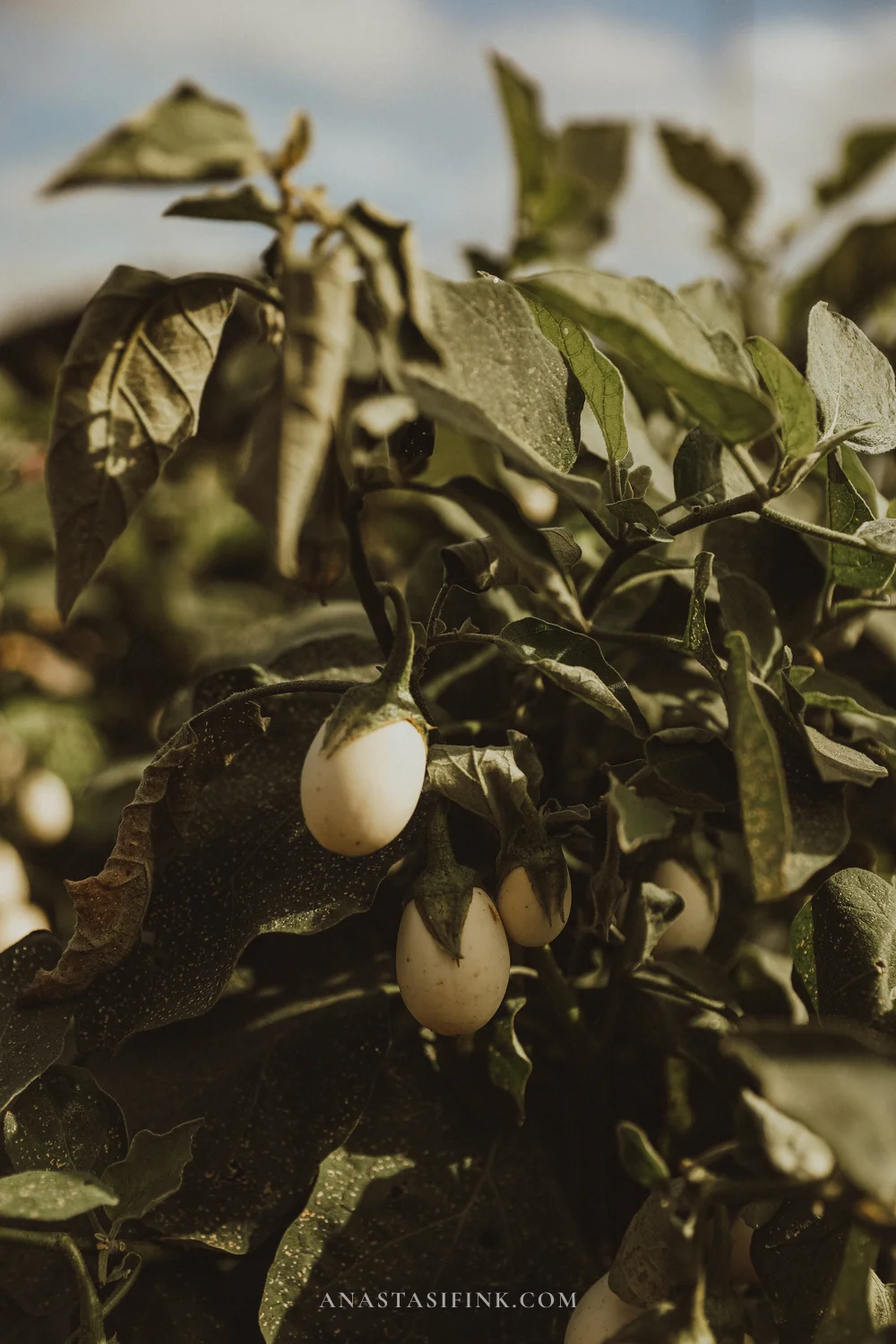

“White Egg” eggplants
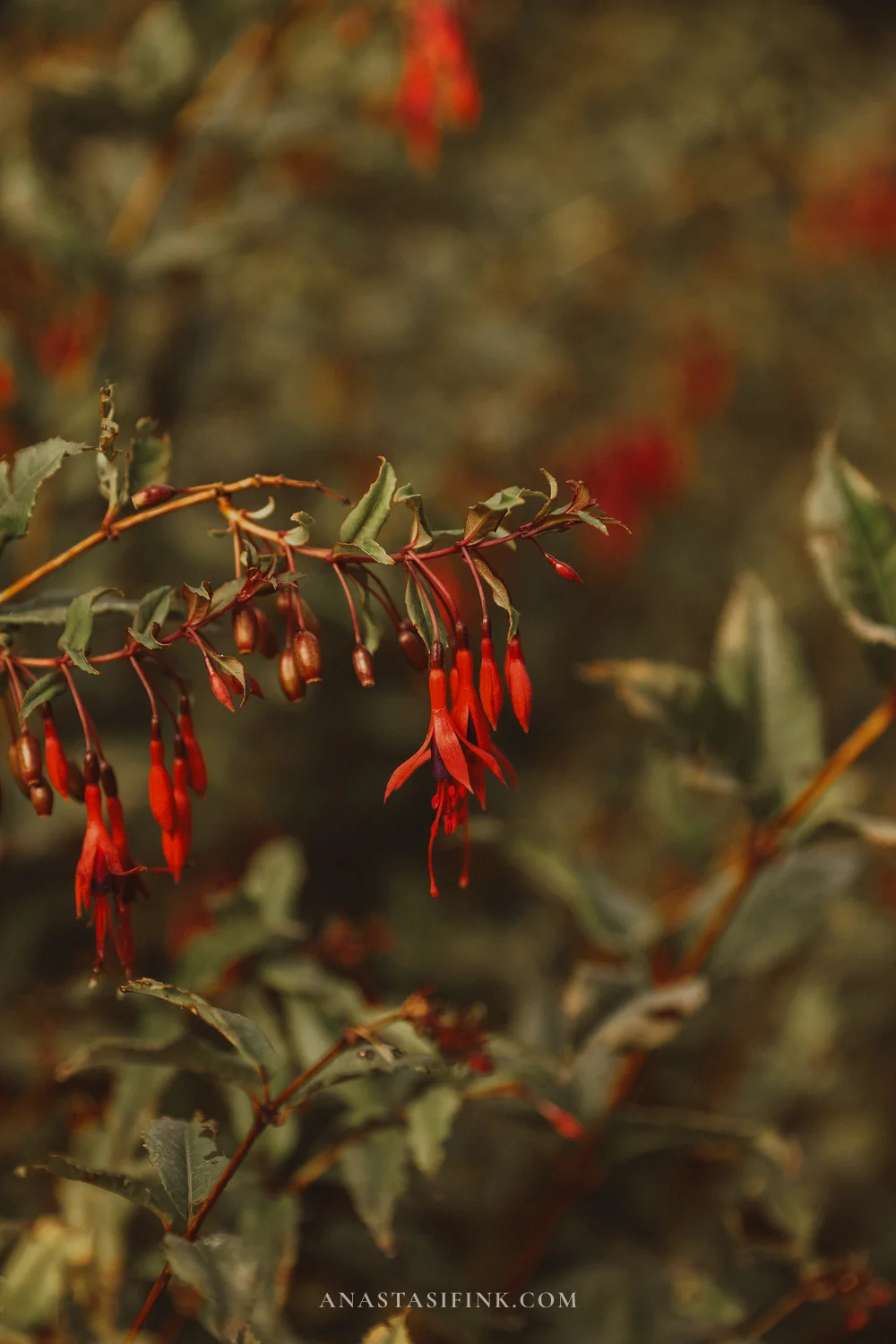
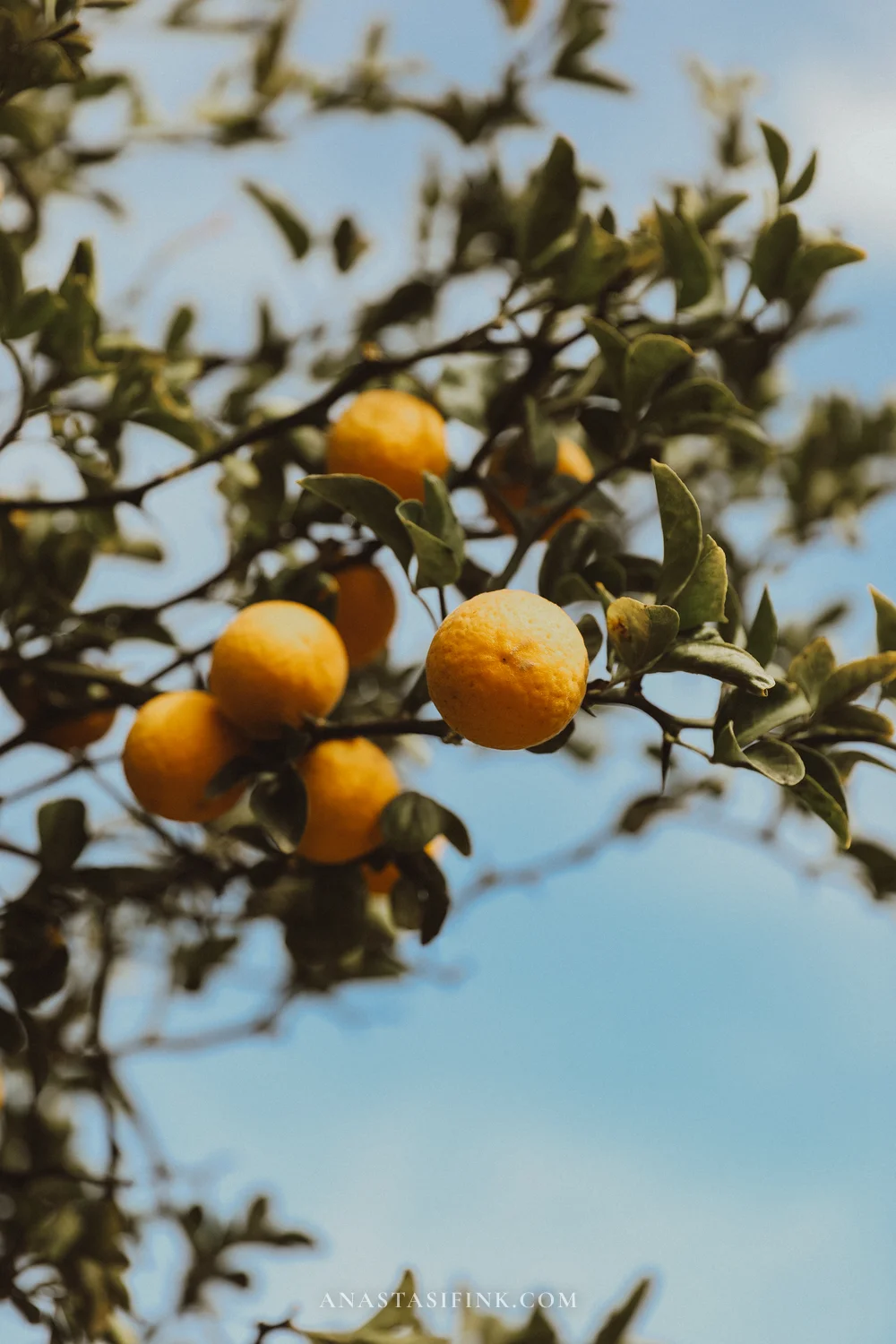
Fuchsia and citrus
7. Quintana de Rionda, a Living Beehive and an Old Apothecary
Next to the vegetable gardens is Quintana de Rionda, a traditional Asturian farmstead with a house, a cowshed, a mill and a hórreo. A hórreo is a wooden granary on stone pillars. It’s raised off the ground to keep mice and damp away from the grain. You still see lots of them in Asturian villages.

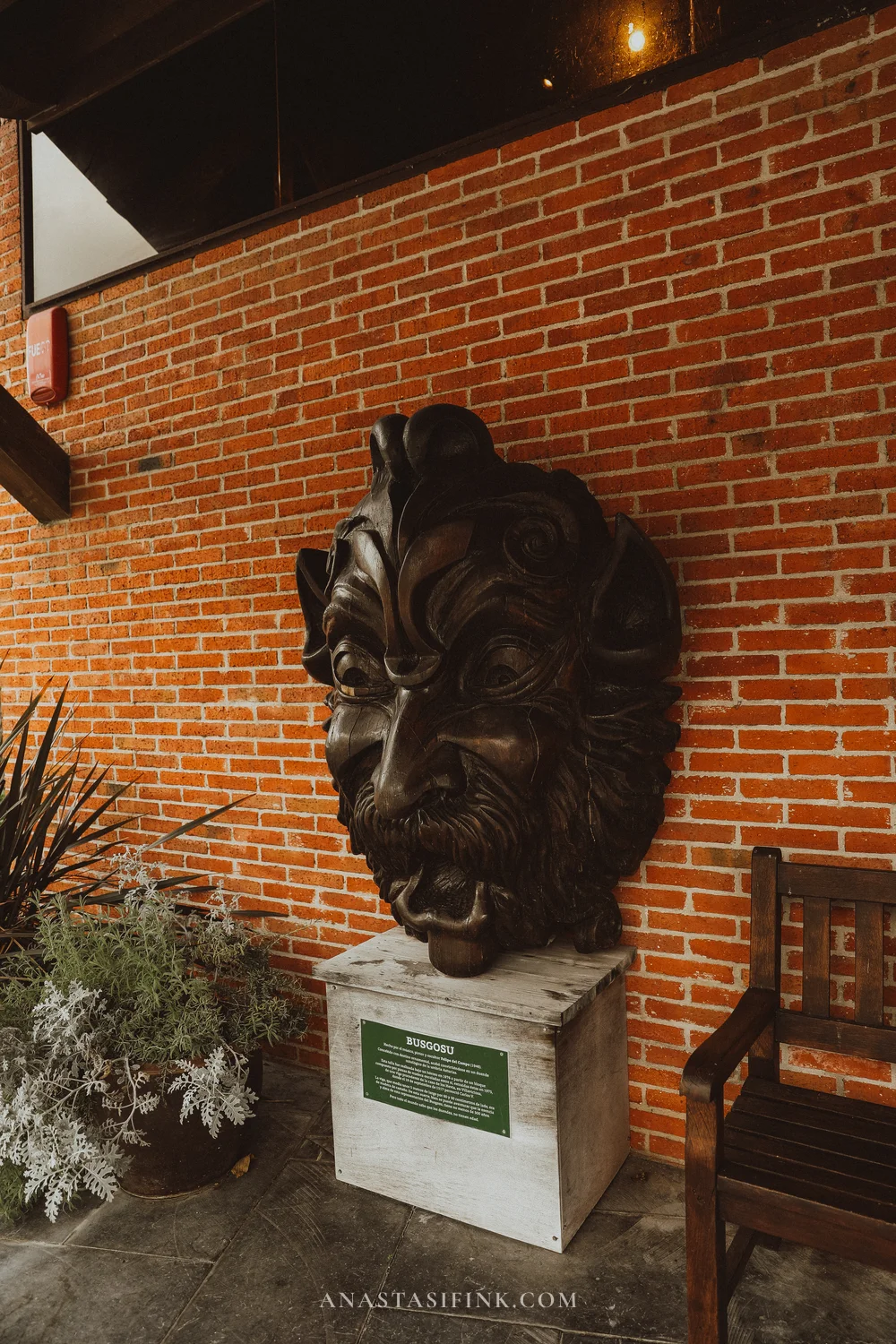
A large bronze head of the Busgosu hangs on a brick wall. He’s a forest spirit from Asturian mythology, half man, half goat, and the guardian of the woods. The garden has an augmented reality trail, “Los Secretos del Botánico”, where you can meet characters from Asturian legends through your phone.
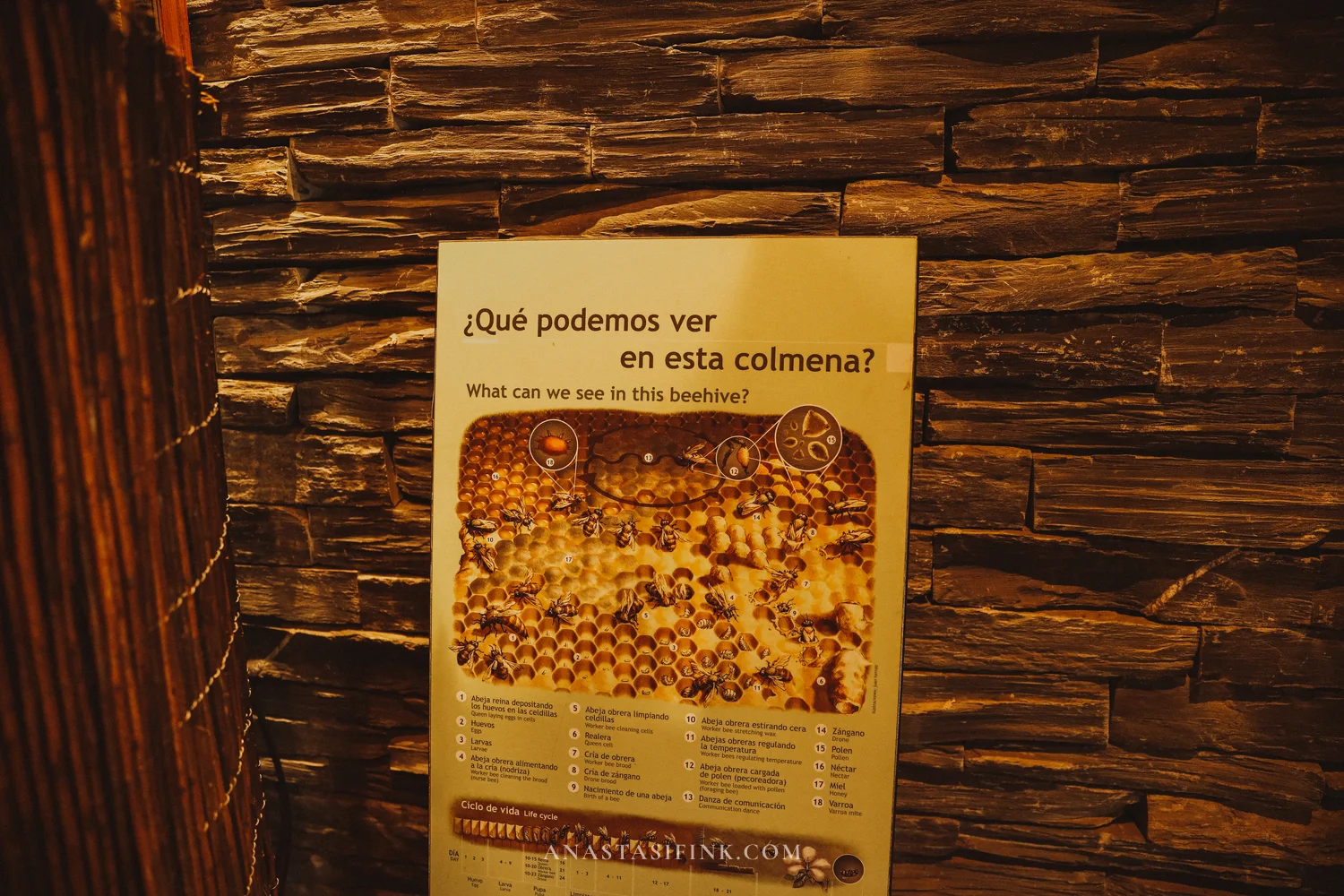
The Factoría Vegetal buildings have exhibitions too. The first thing I saw was a living beehive with glass walls.


The board next to it shows you where the queen, the larvae and the honey are. Next door there’s an exhibition about why pollinators are in danger and what each of us can do about it.
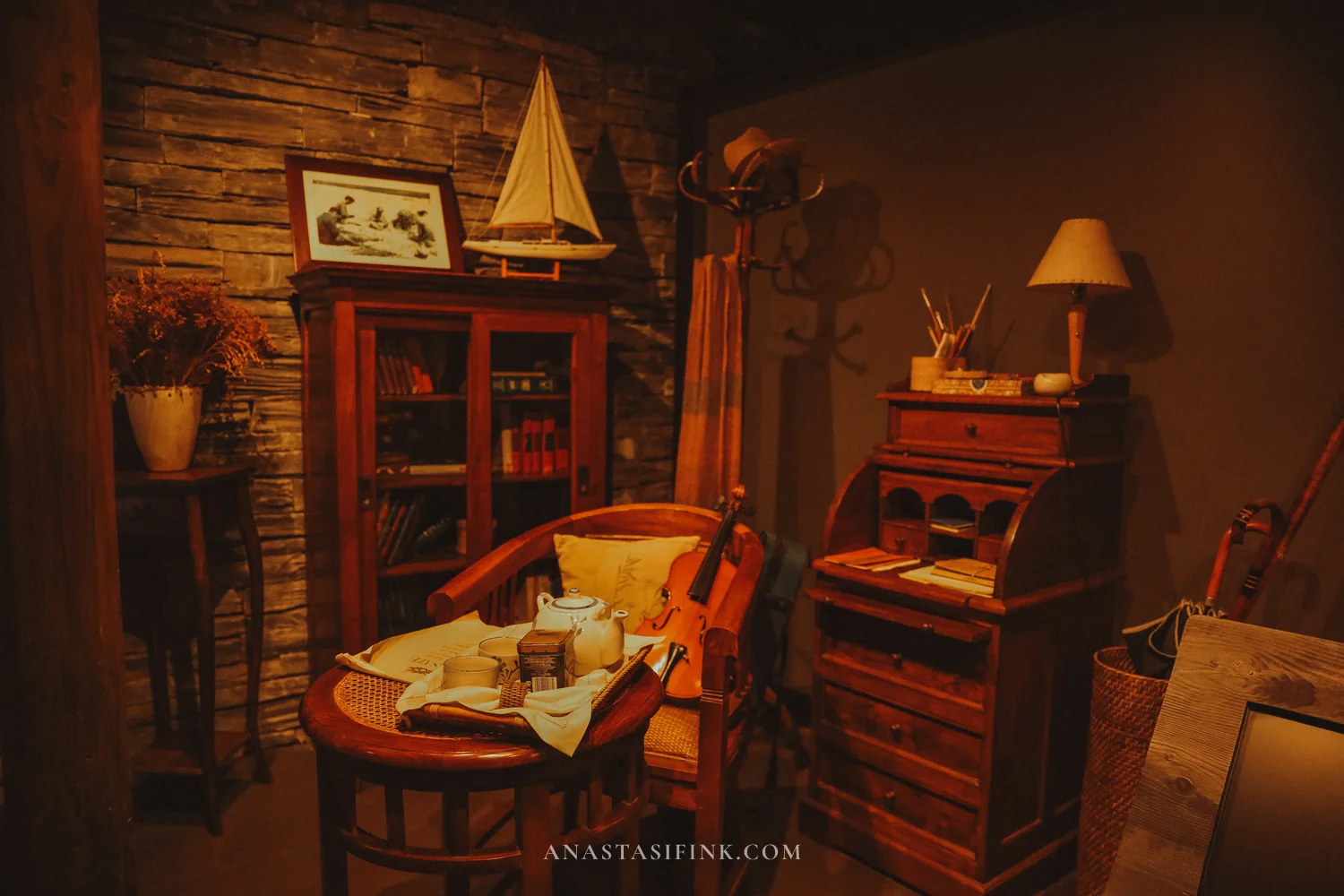
One of the rooms recreates the study of a travelling naturalist.
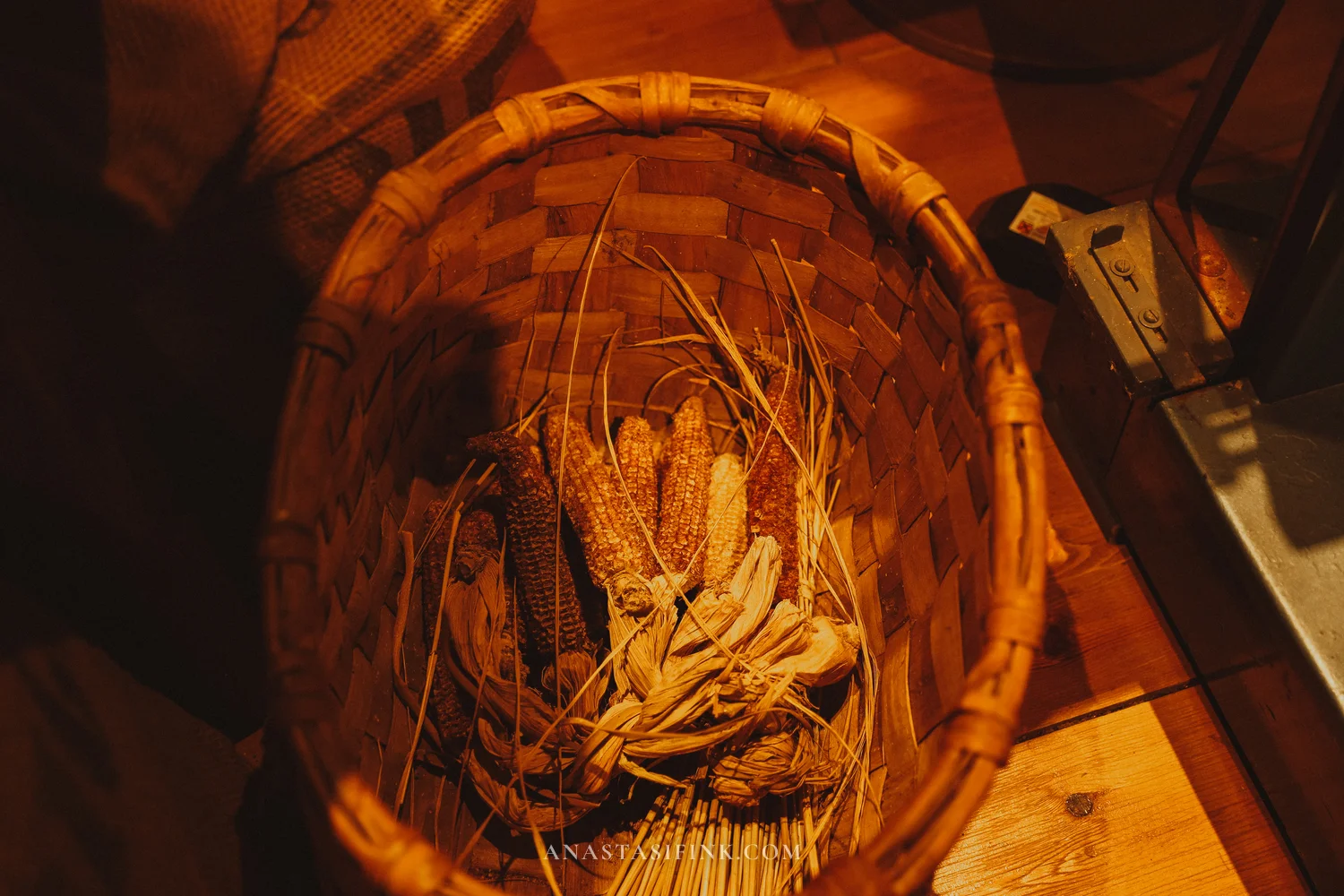
After that come the rooms about cultivated plants. One board reminds you that Columbus took wheat, grapes and olives to the New World, while corn came to Europe from there. A display case holds cobs of different varieties, and there are scenes with mannequins and old tools.

The next building has an old mill, with an exhibition about bread and cereals next to it.


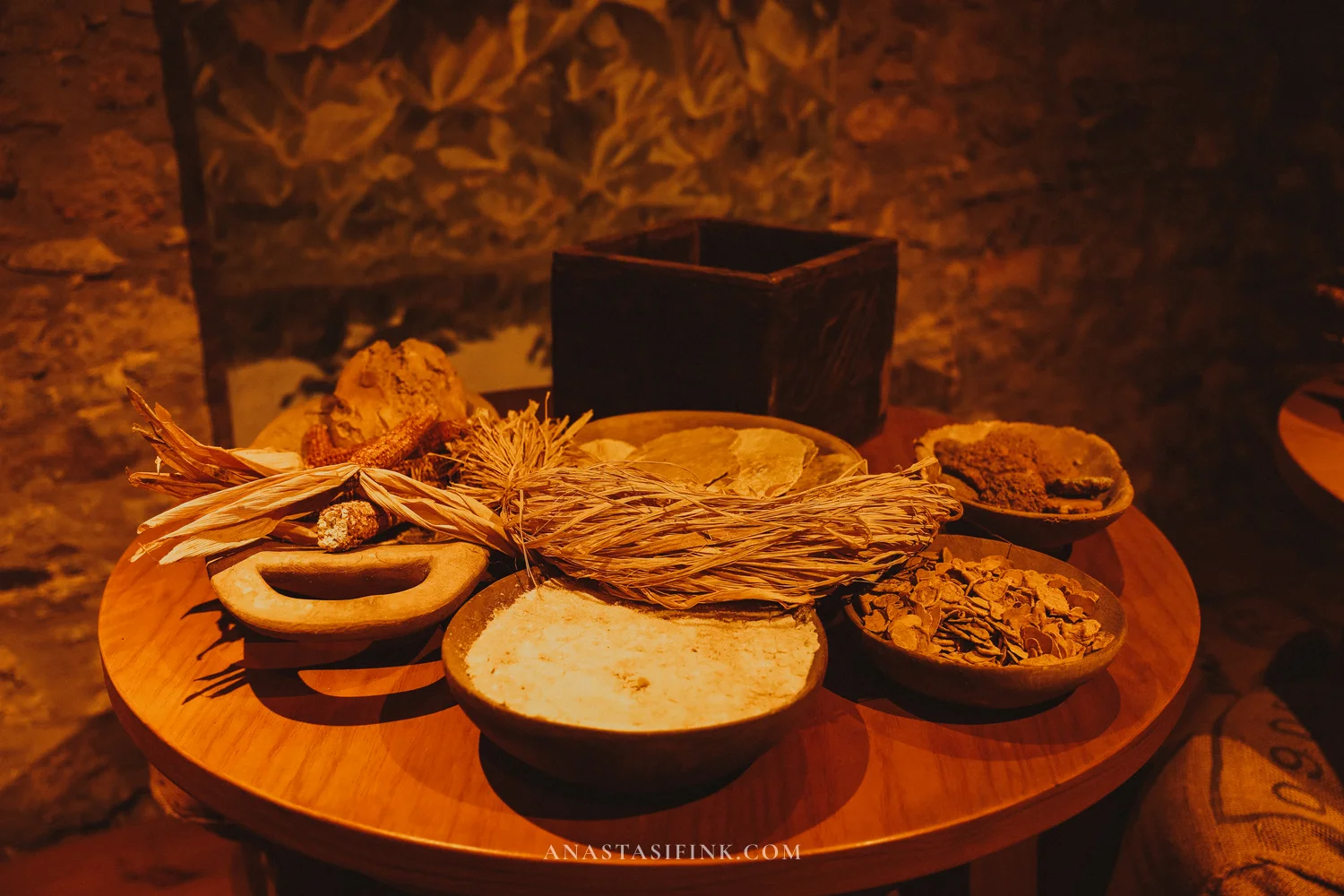
Bread, cereals and corn

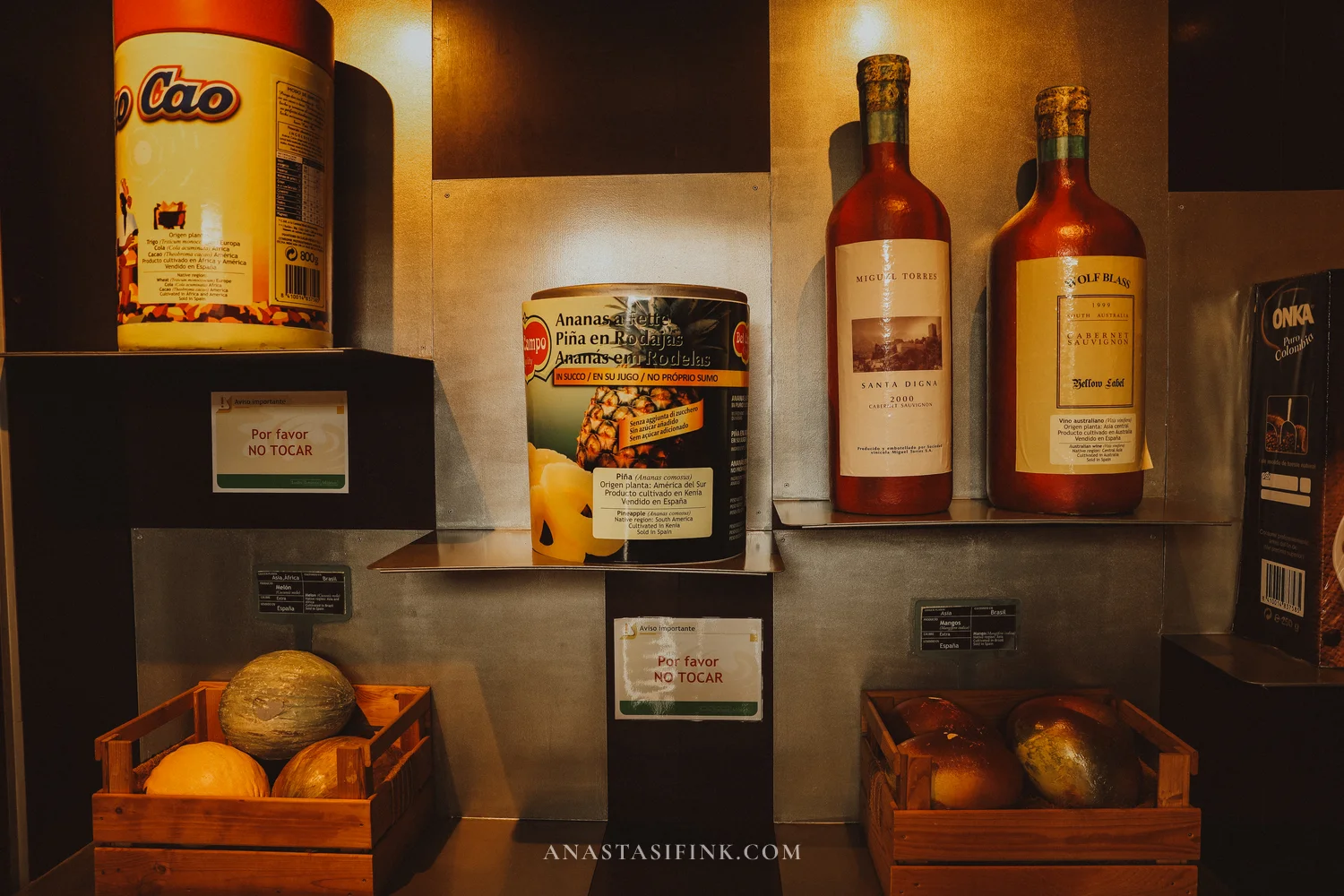
I liked the display of giant packs of everyday products: cocoa, canned pineapple, wine. It shows you straight away how much of what’s in the shops is made from plants.
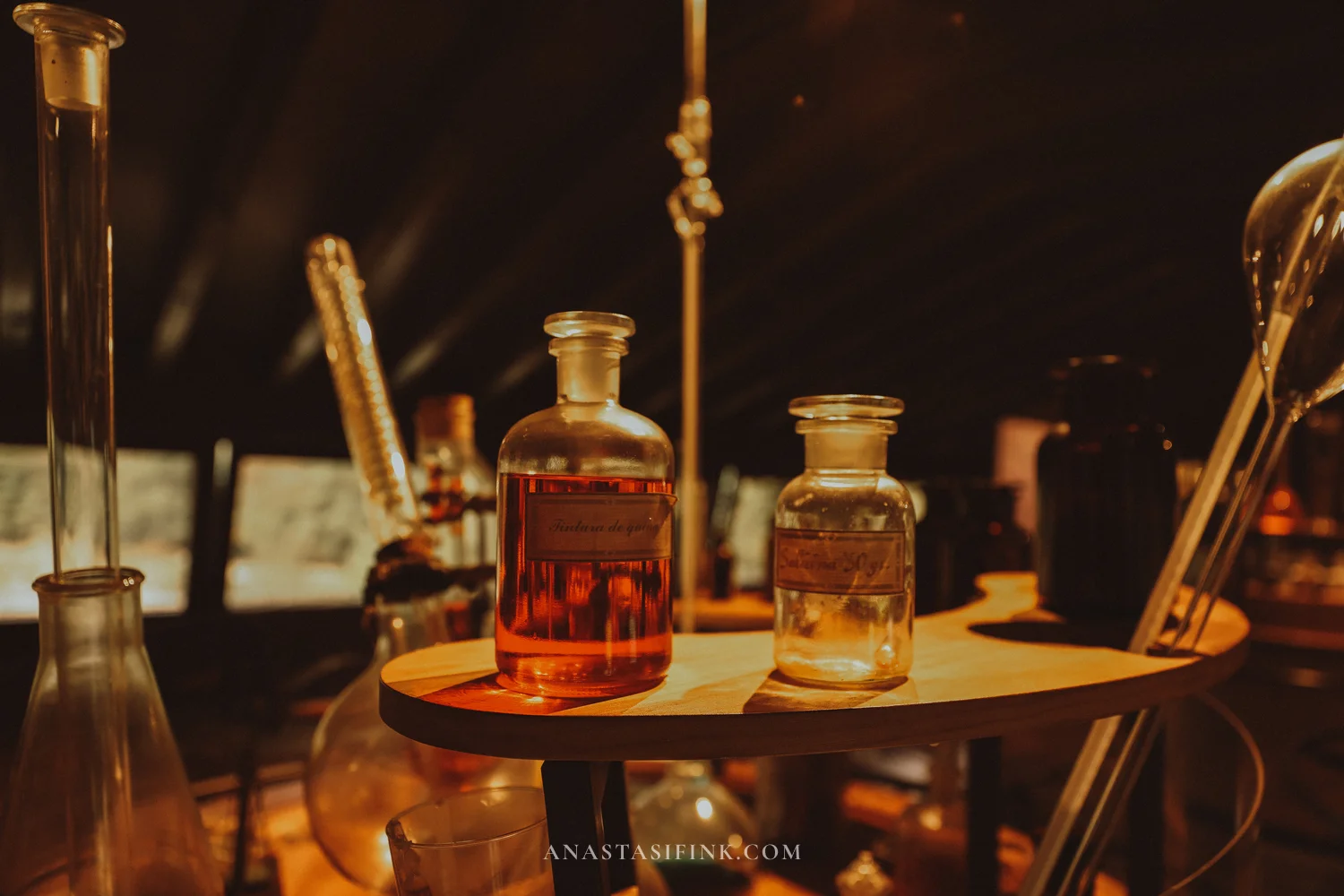
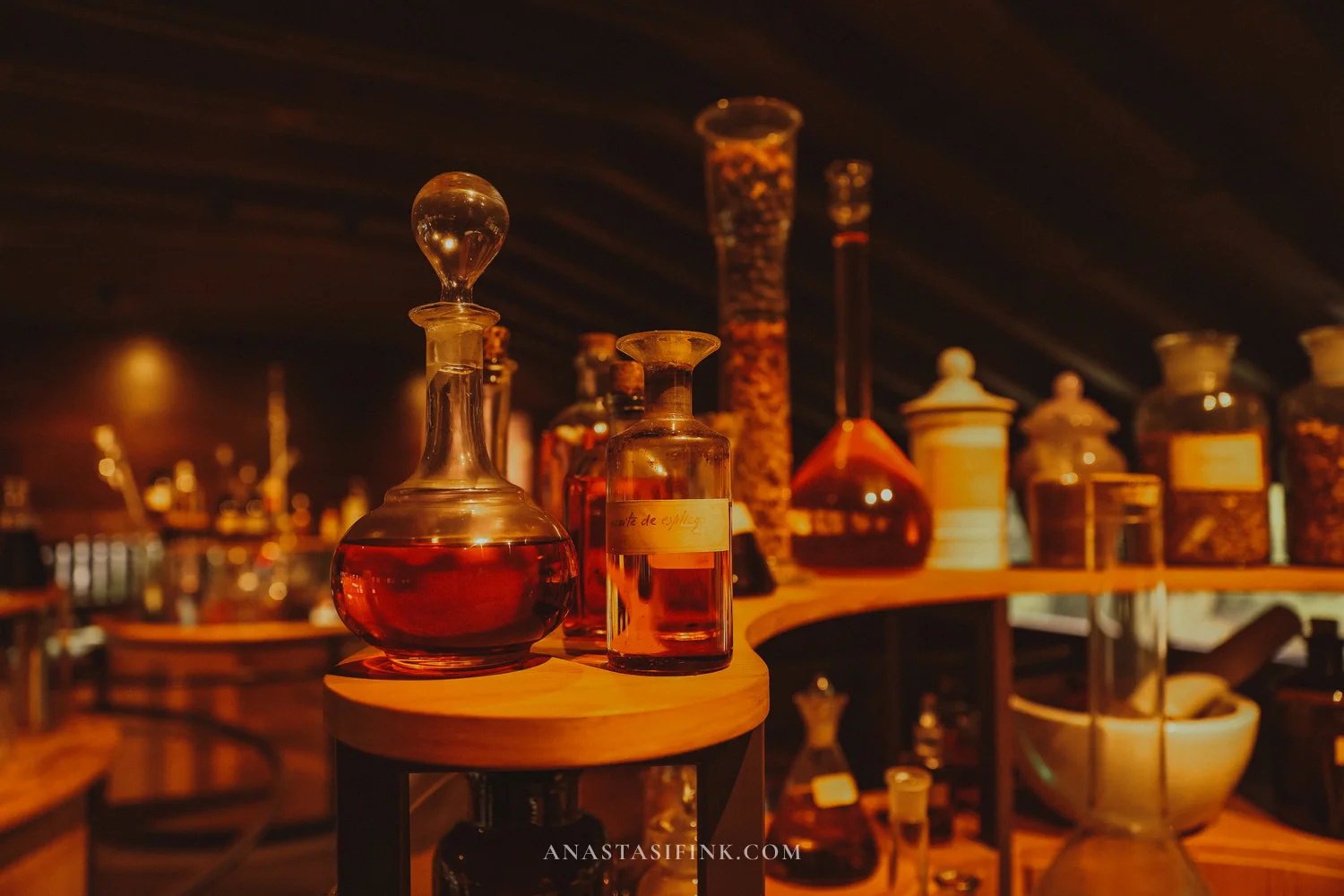
Up under the roof of one of the buildings there’s an old apothecary’s laboratory (la botica): flasks, stills, jars of dried herbs and boards about medicinal plants.
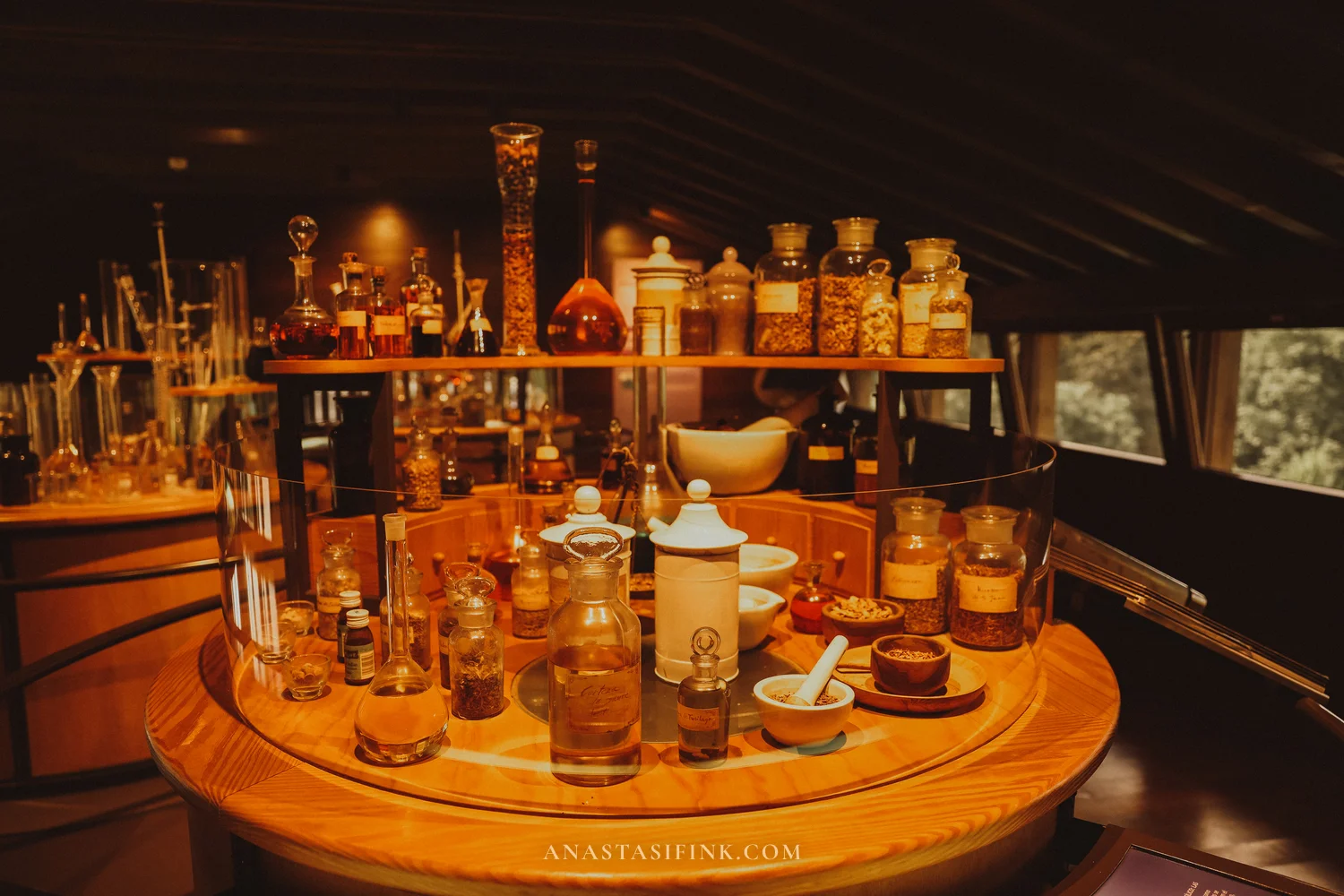

The old apothecary
The clearest example is the willow. Willow bark has been used as a painkiller since ancient times. Salicin was extracted from it, and that led to acetylsalicylic acid, in other words aspirin.

Next to it is a board about stimulant plants: coffee, tea and mate.
8. Old World Fruit Trees
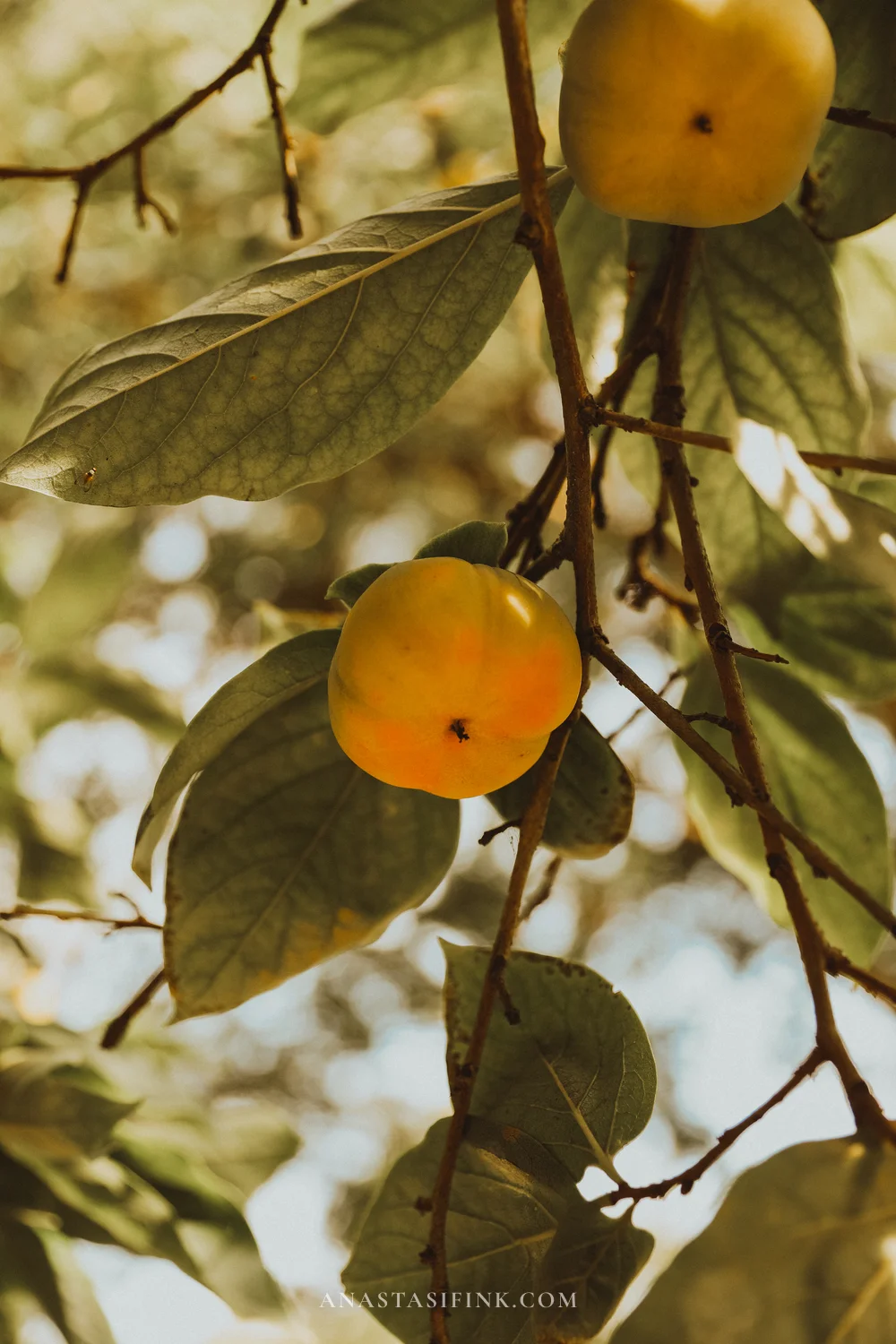
At the bottom of the Factoría Vegetal are the Old World fruit trees (12): pomegranates, persimmons, citrus and medlars. The medlar is an old European fruit that’s only eaten overripe, once the flesh has gone soft. In Spain it’s called níspero común.
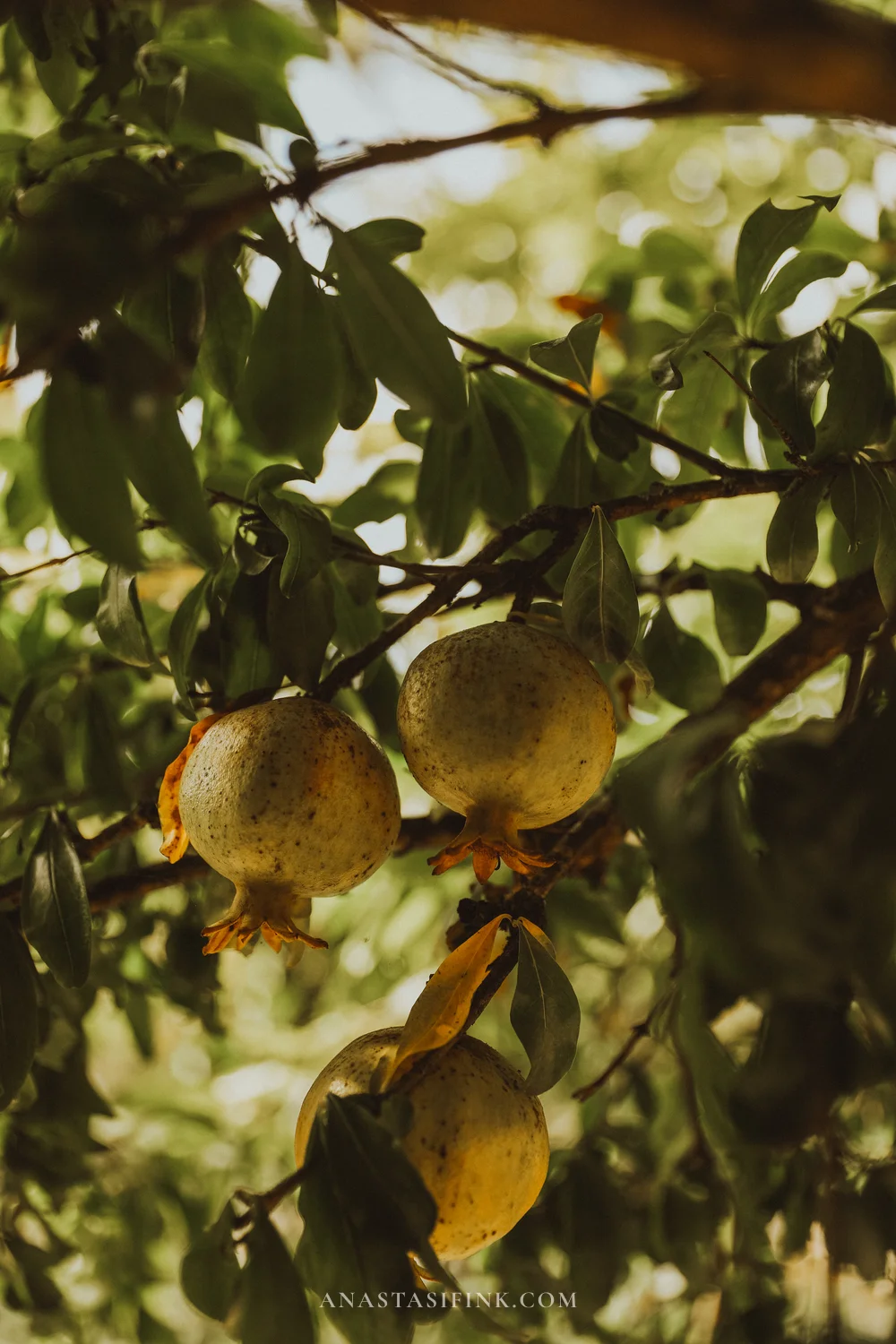

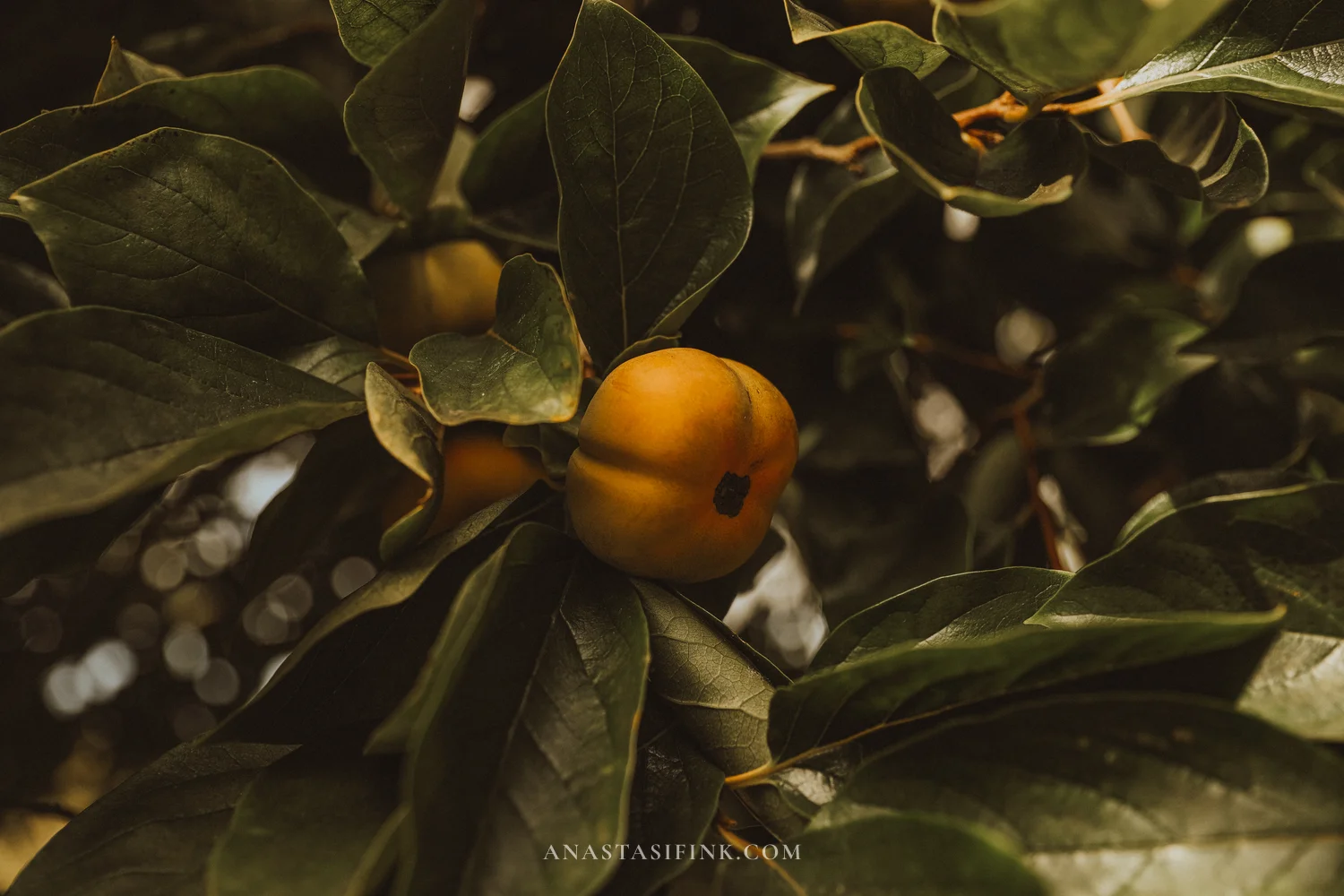
Medlar and persimmon
9. Cantabrian Forests: Holly and Field Maple
From here I walked through the western part of the Entorno Cantábrico: forests (1), aquatic plants (4), shrubs (2) and meadows (3). The forest section brings together typical forests of northern Spain, such as beech woods with dog’s mercury.
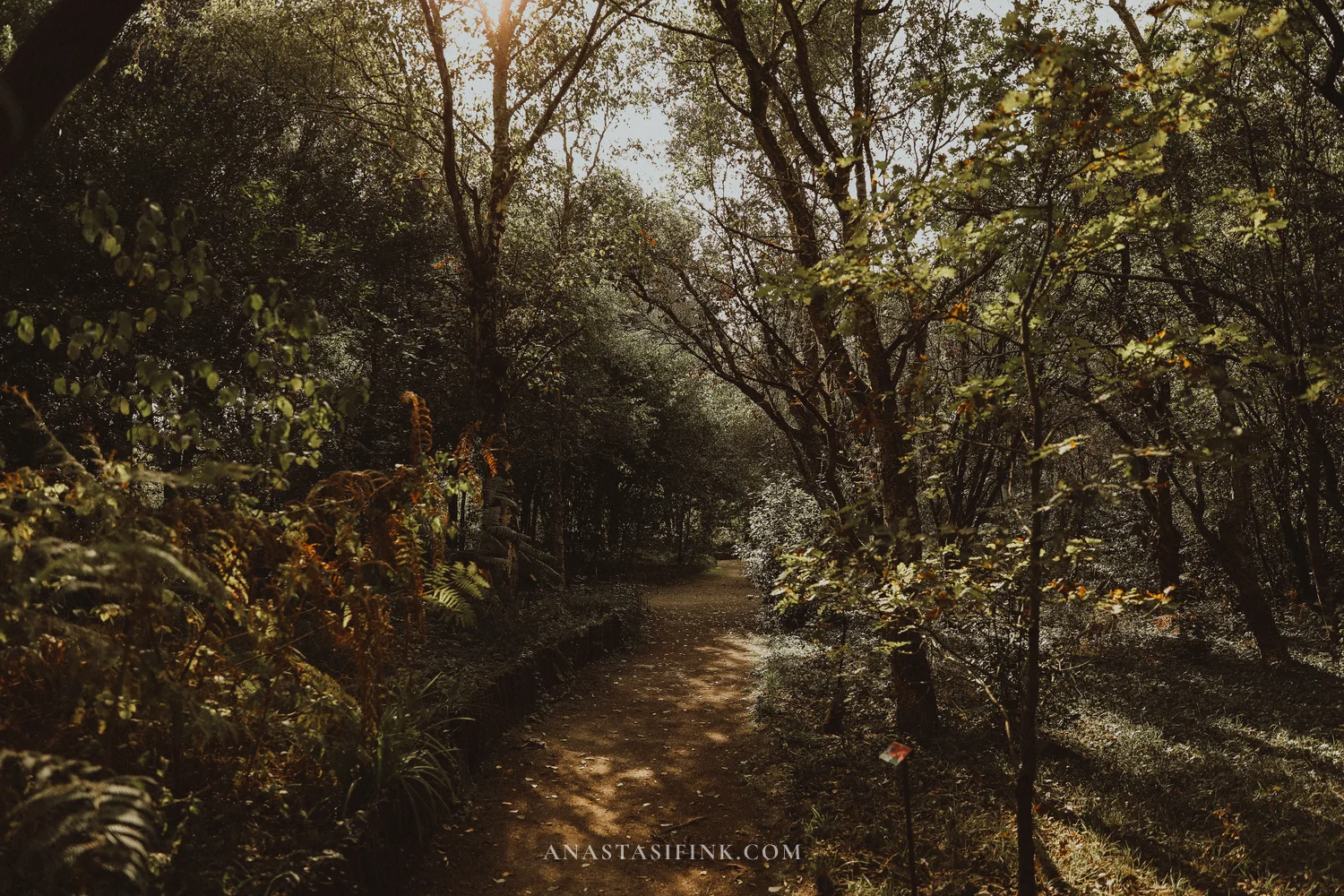
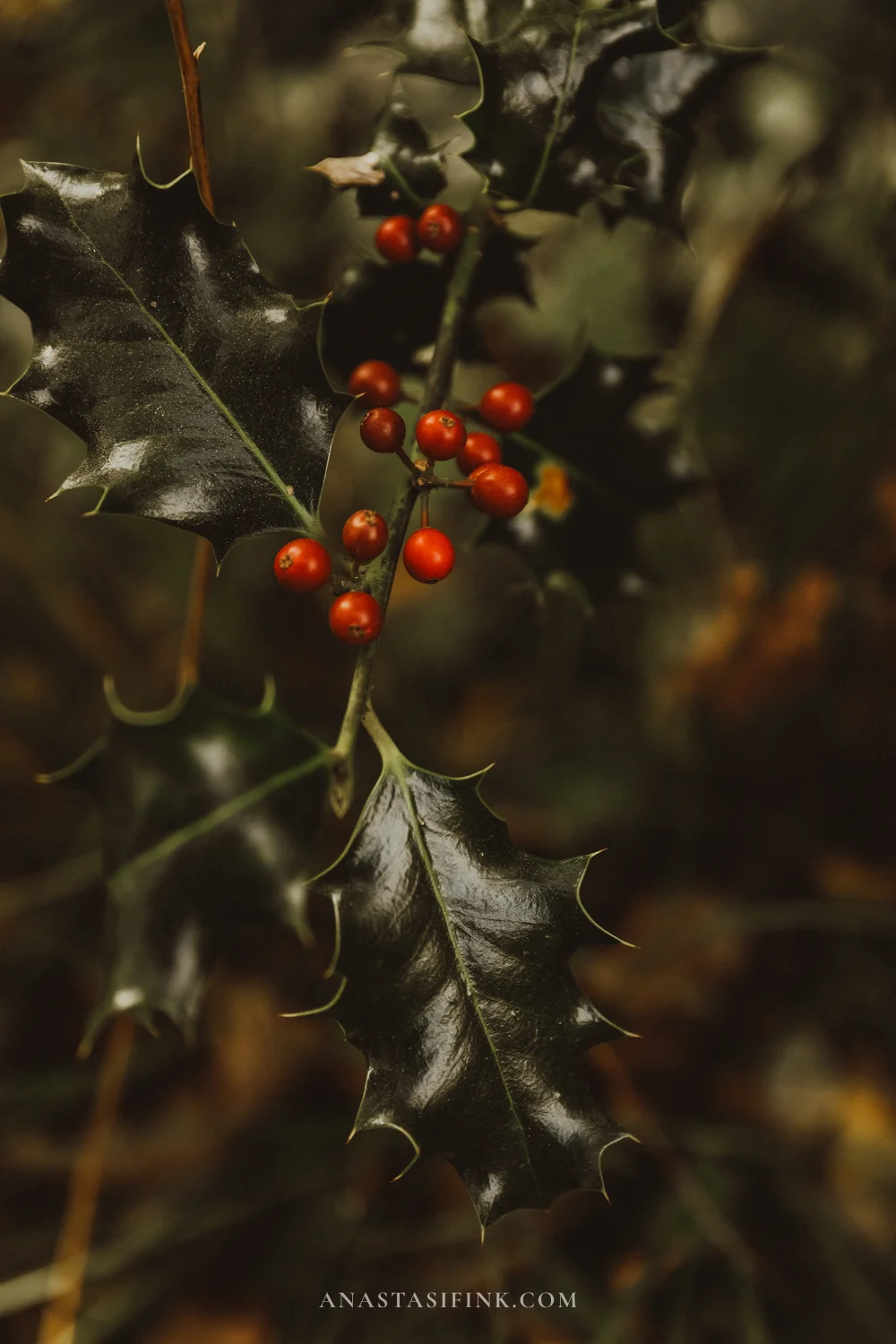
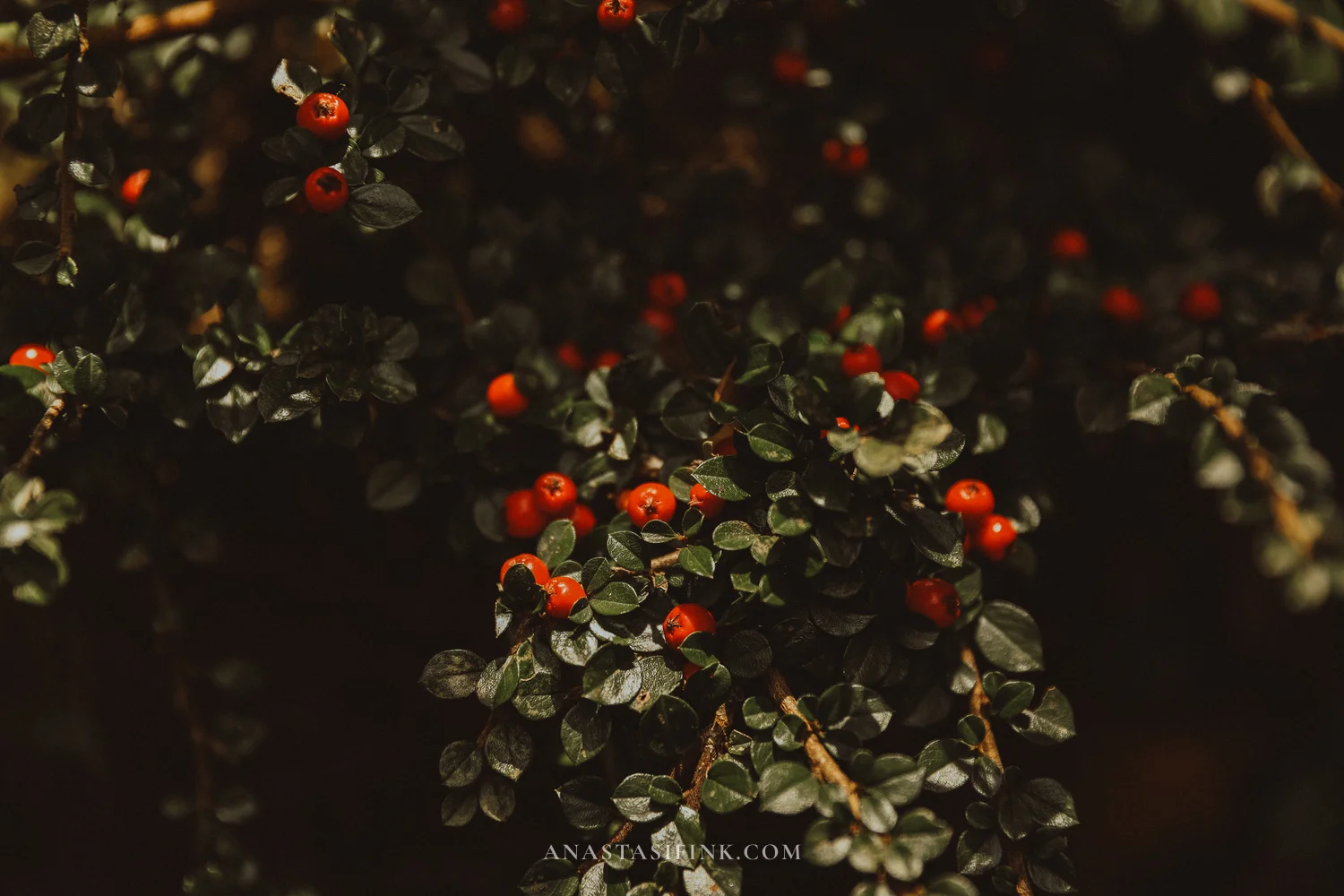
There’s lots of holly in the undergrowth, and in autumn it’s covered in red berries.

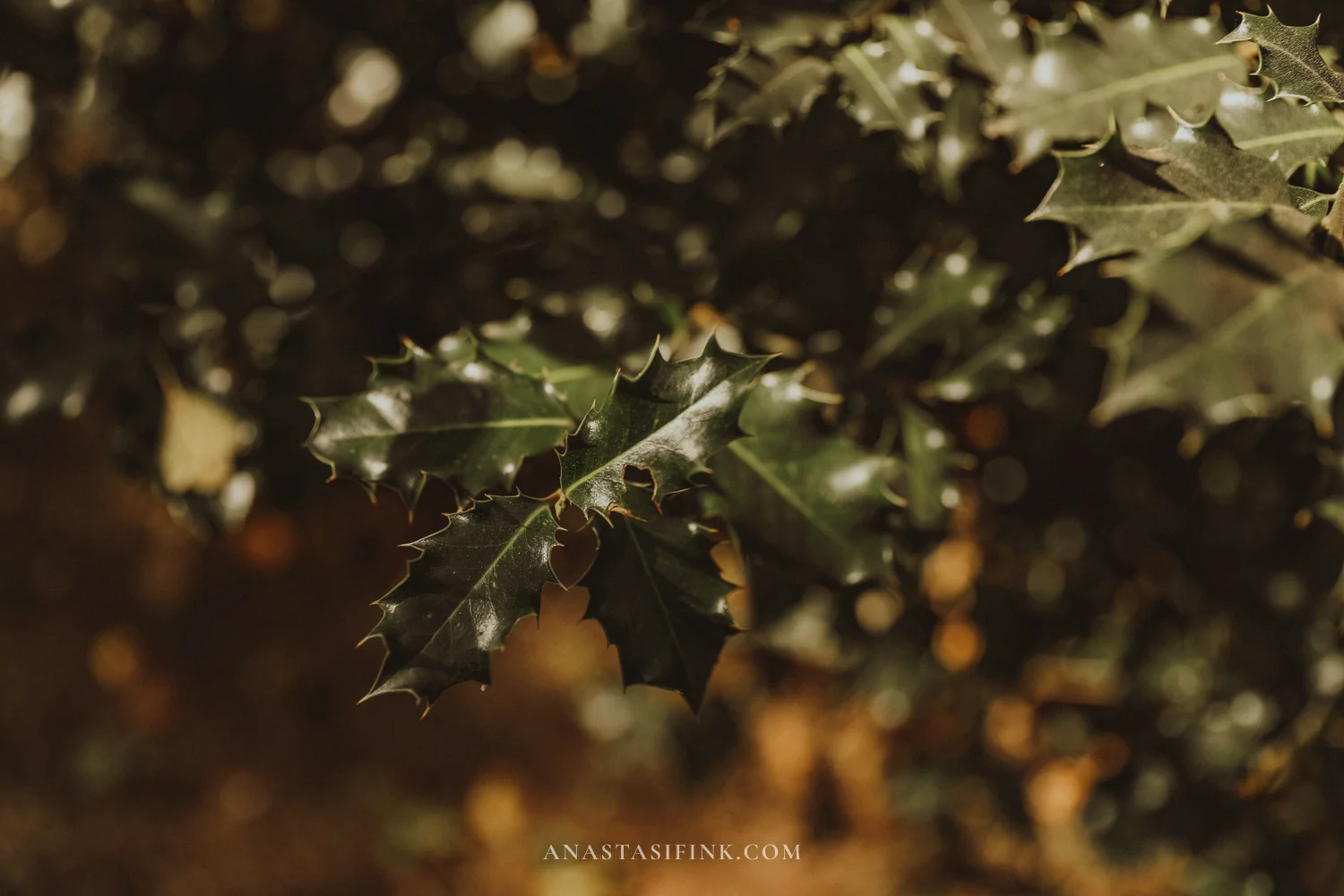
Holly
Field maple (Acer campestre), with its small lobed leaves, grows here too.
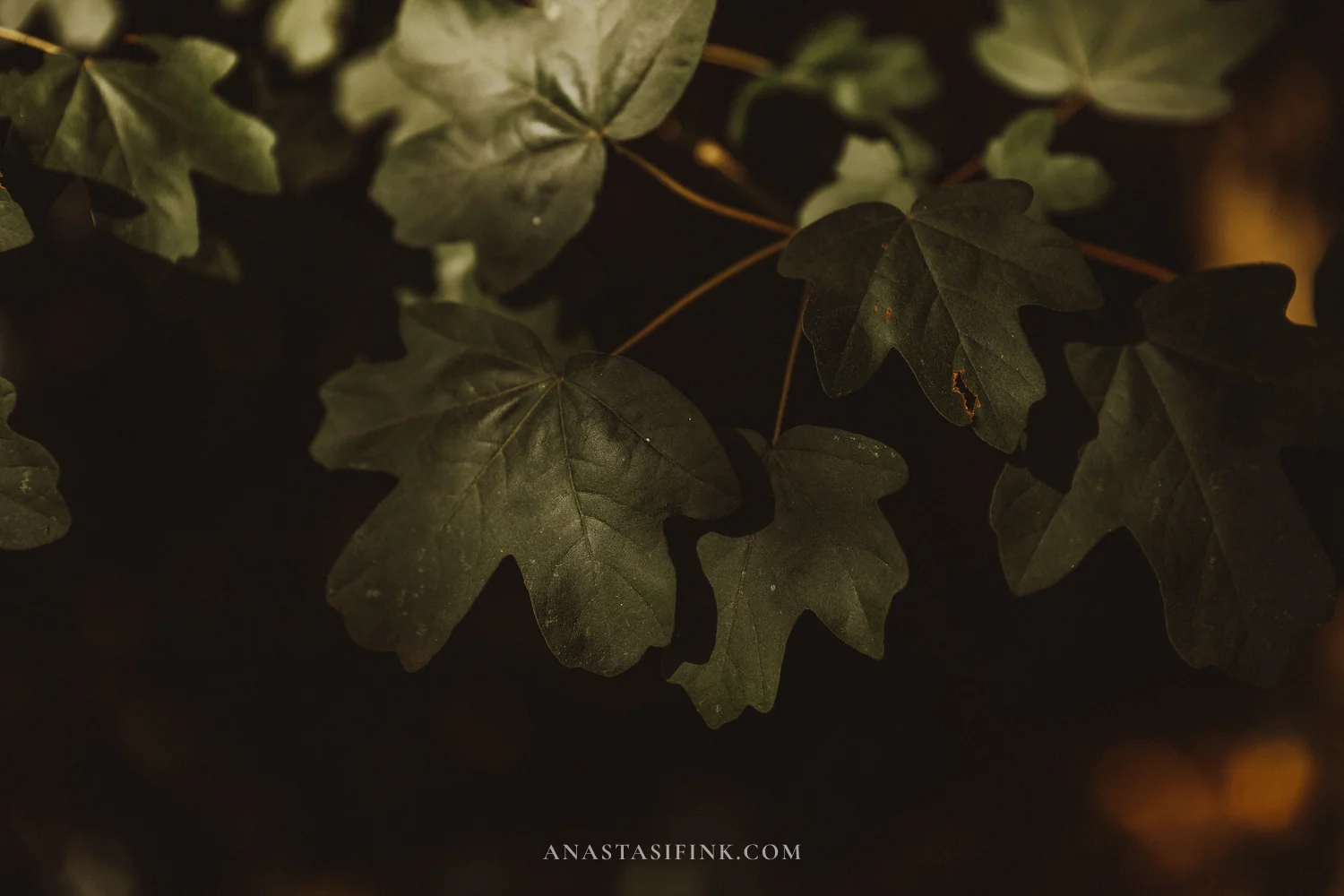
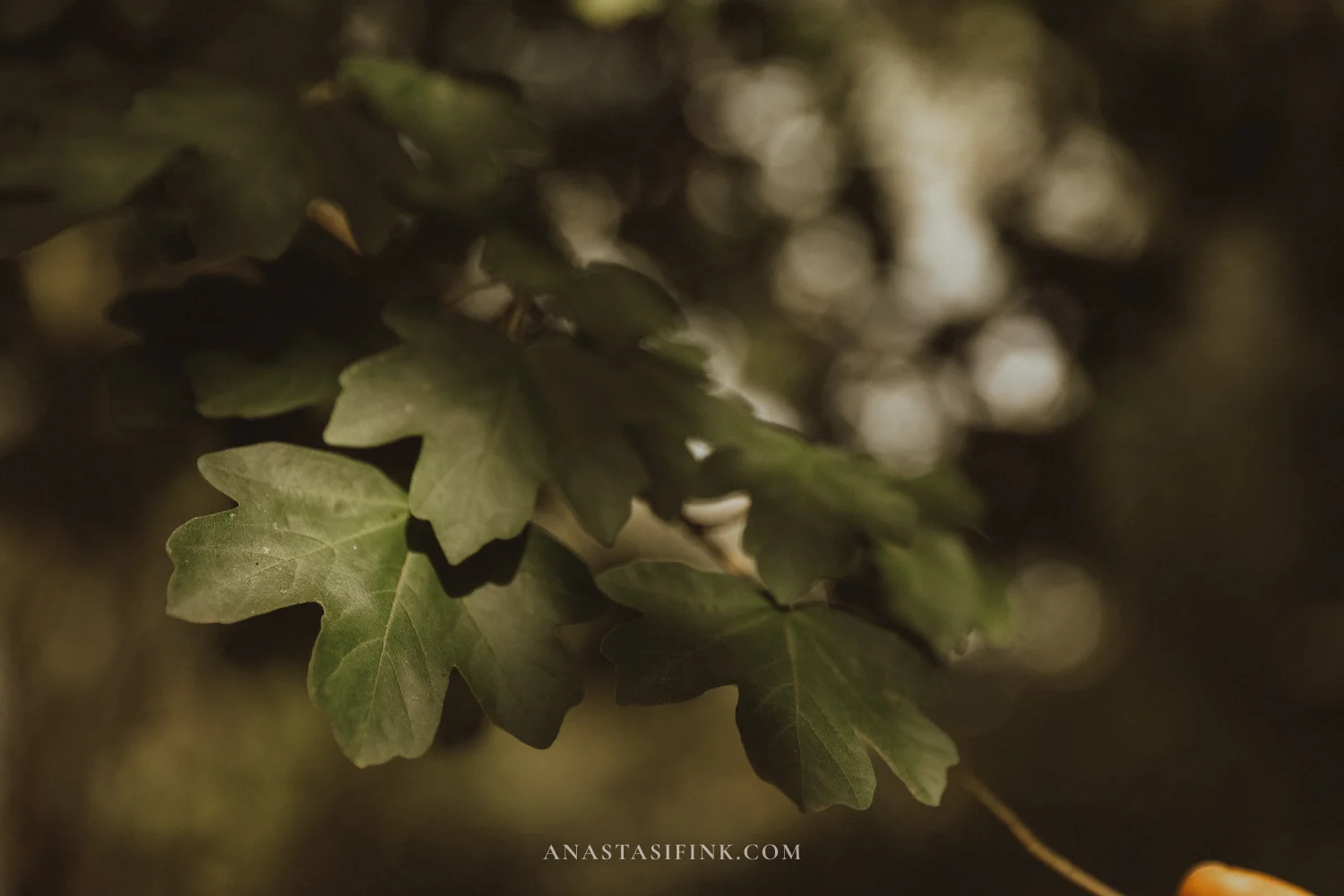
Field maple

10. Back to Jardín de la Isla: Pond, Eucalyptus, Pergolas and an Old Tennis Court
Then I walked past the New World fruit trees (11) again and went back to Jardín de la Isla.
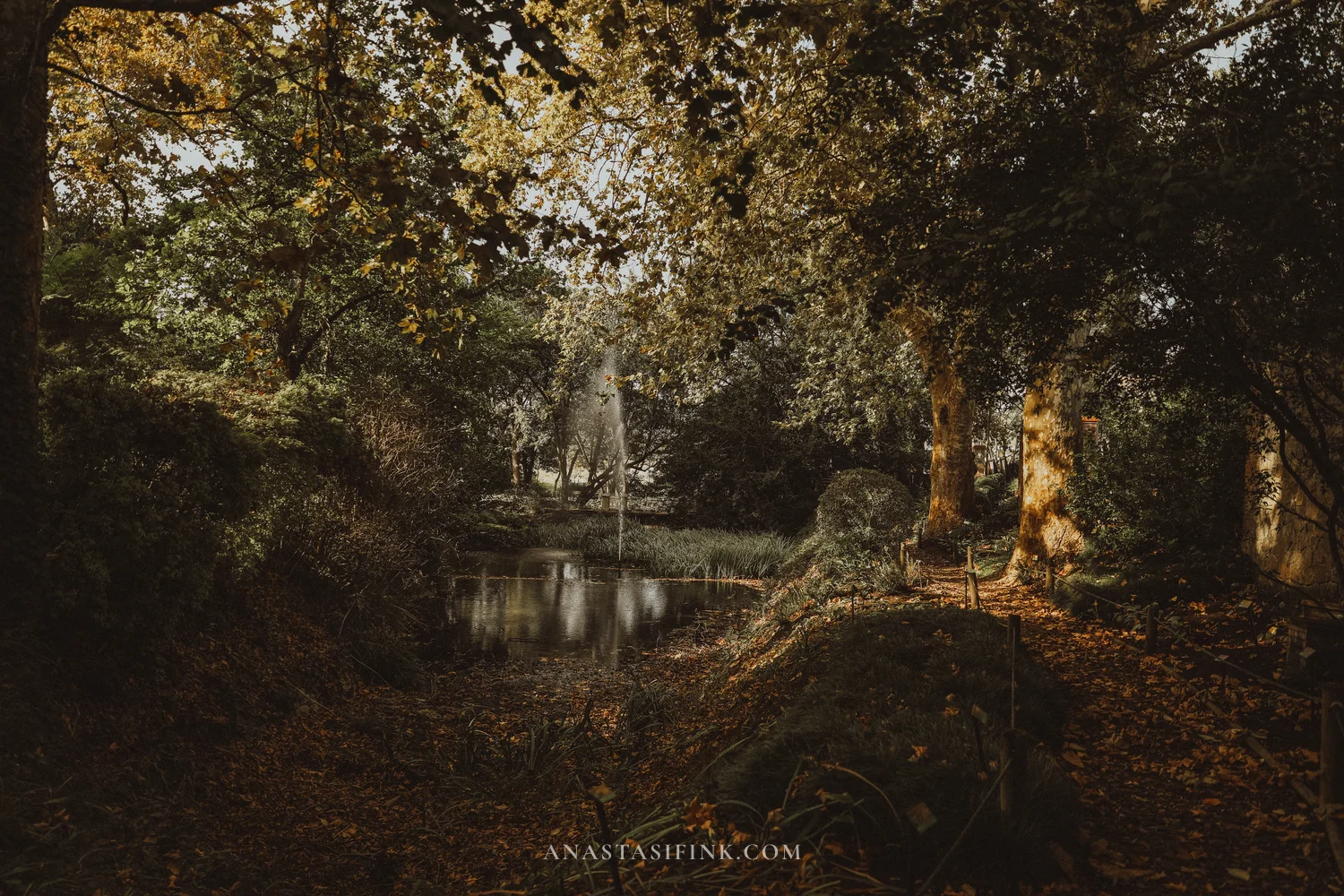
Here you’ll find ornamental shrubs (18), rock gardens (23), bulbs (22) and camellias (19), plus a pond with a fountain under big trees.


Conifers and a cedar

This is where the estate house stands, and Jardín de la Isla also has the oldest tennis court in Asturias. This part is full of pergolas, old sculptures, big plane trees and eucalyptus.
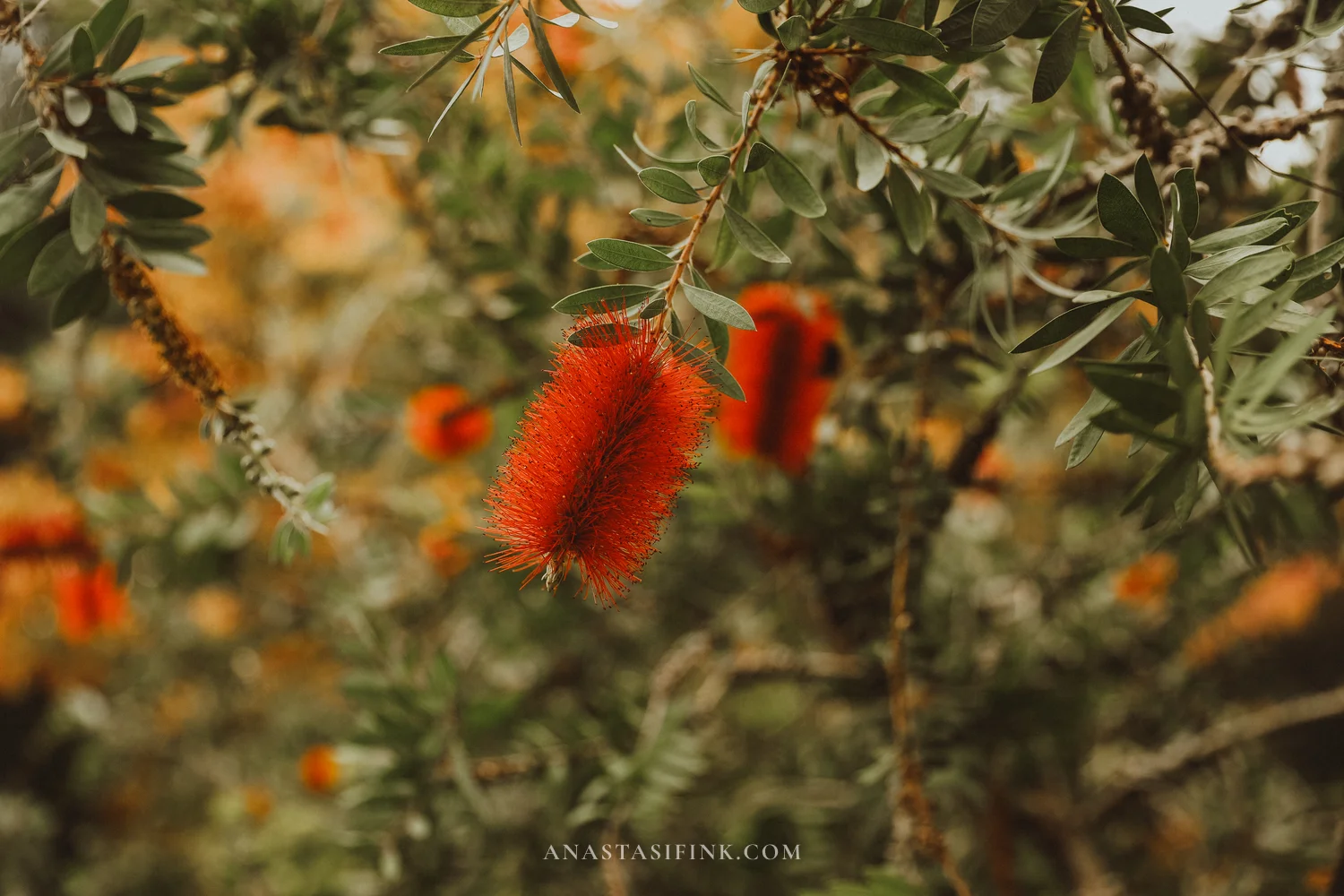
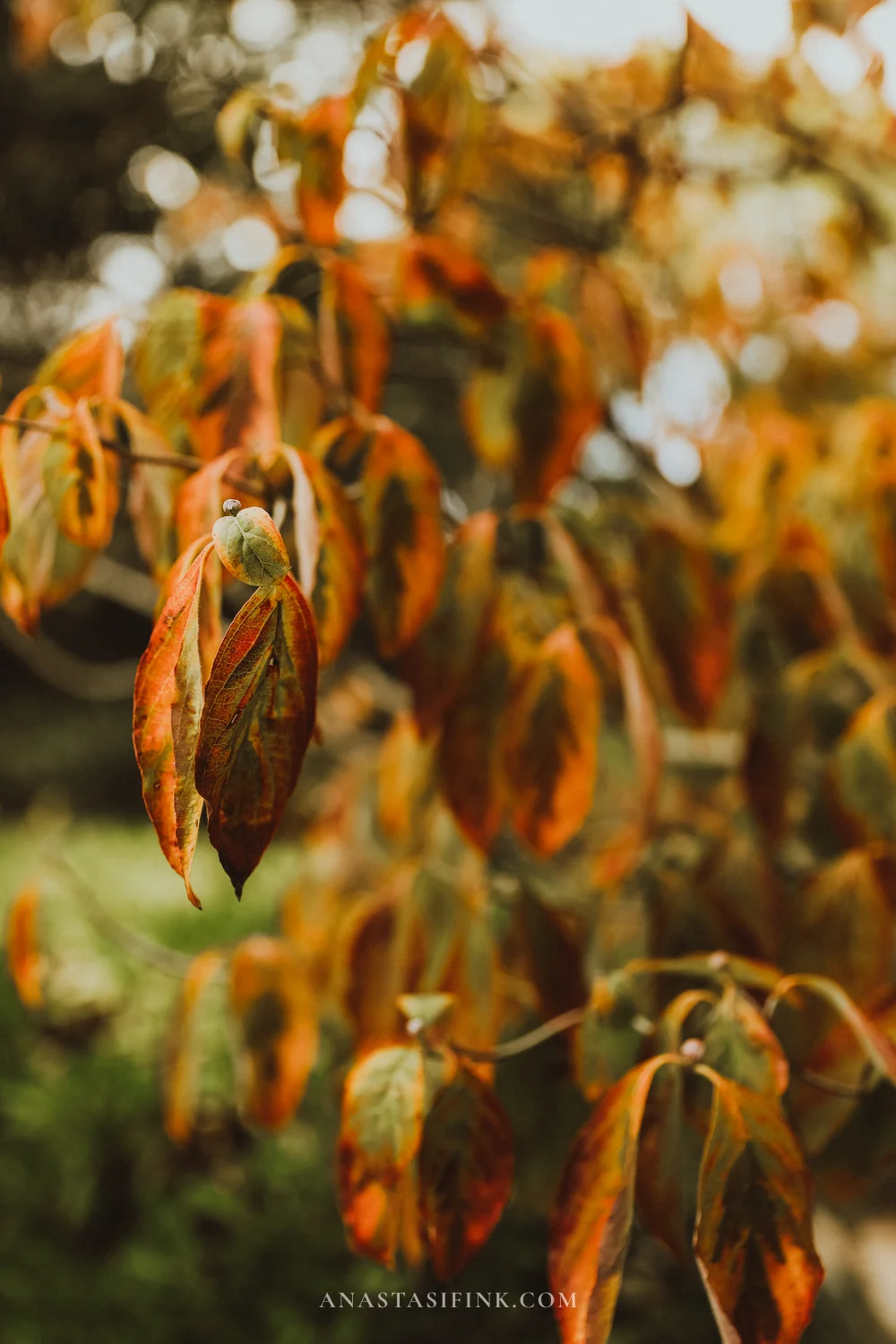
In autumn the leaves here are already turning yellow and red.

The eucalyptus trees here are huge: you have to tip your head right back to look at them.
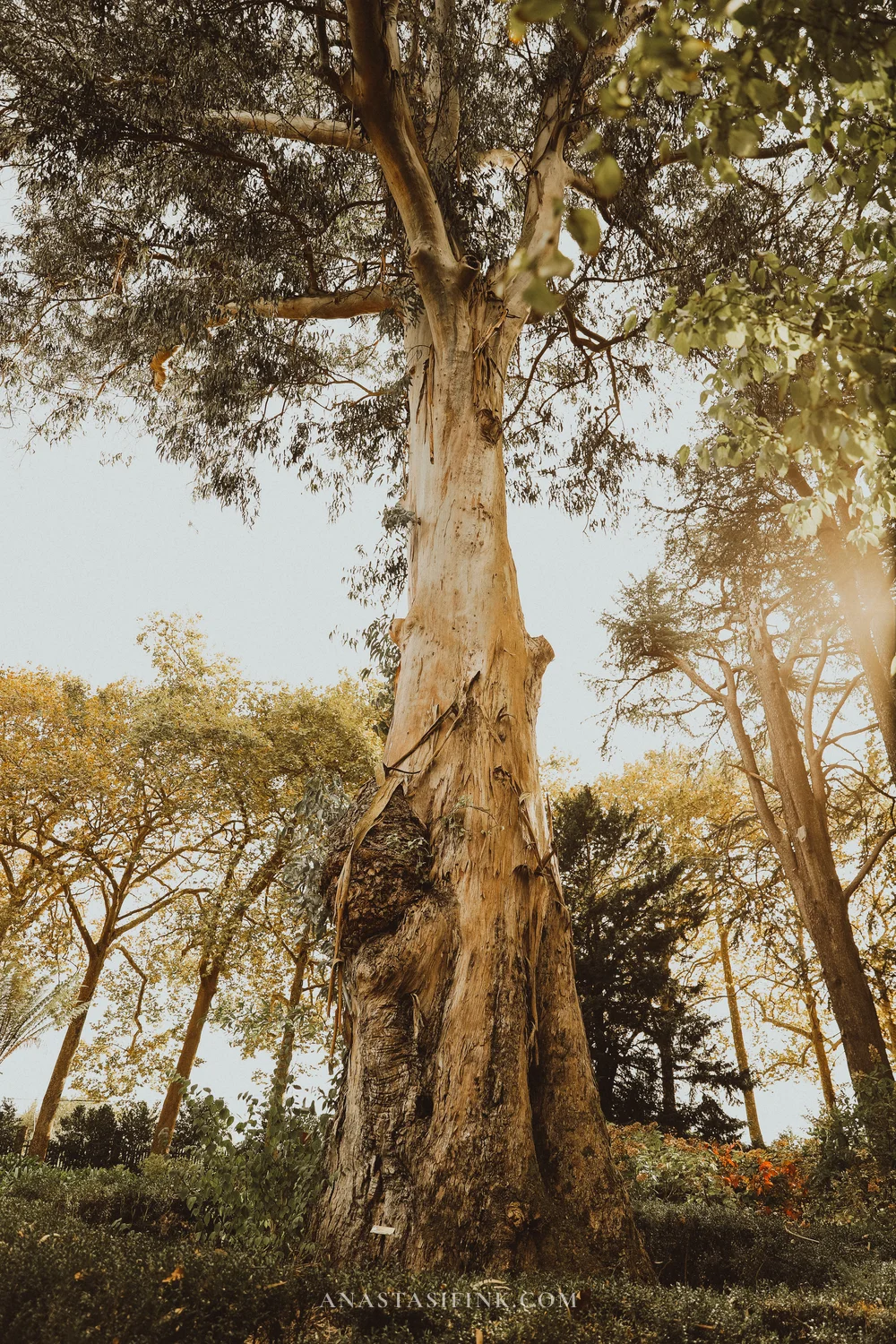
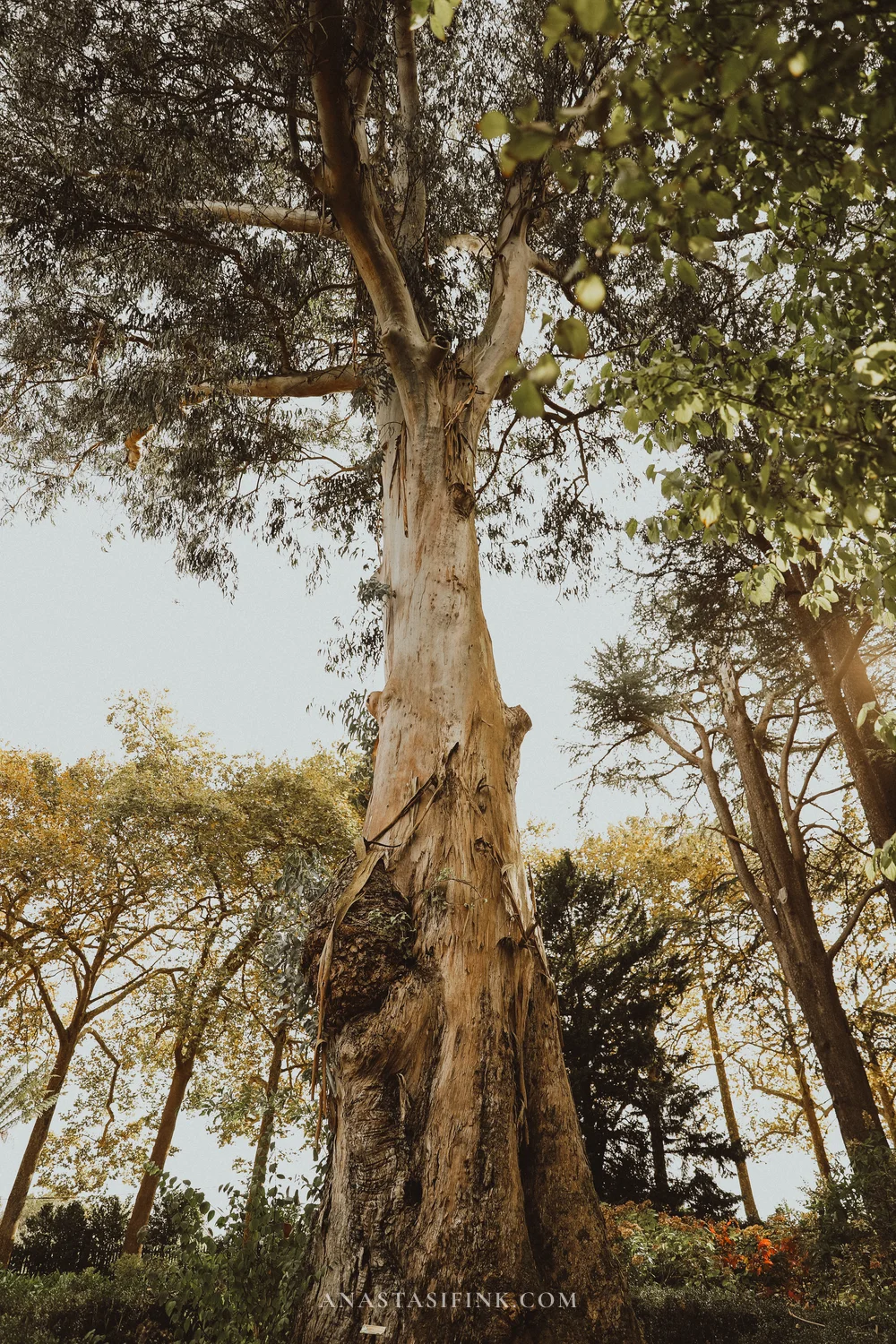
Eucalyptus

A statue covered in moss
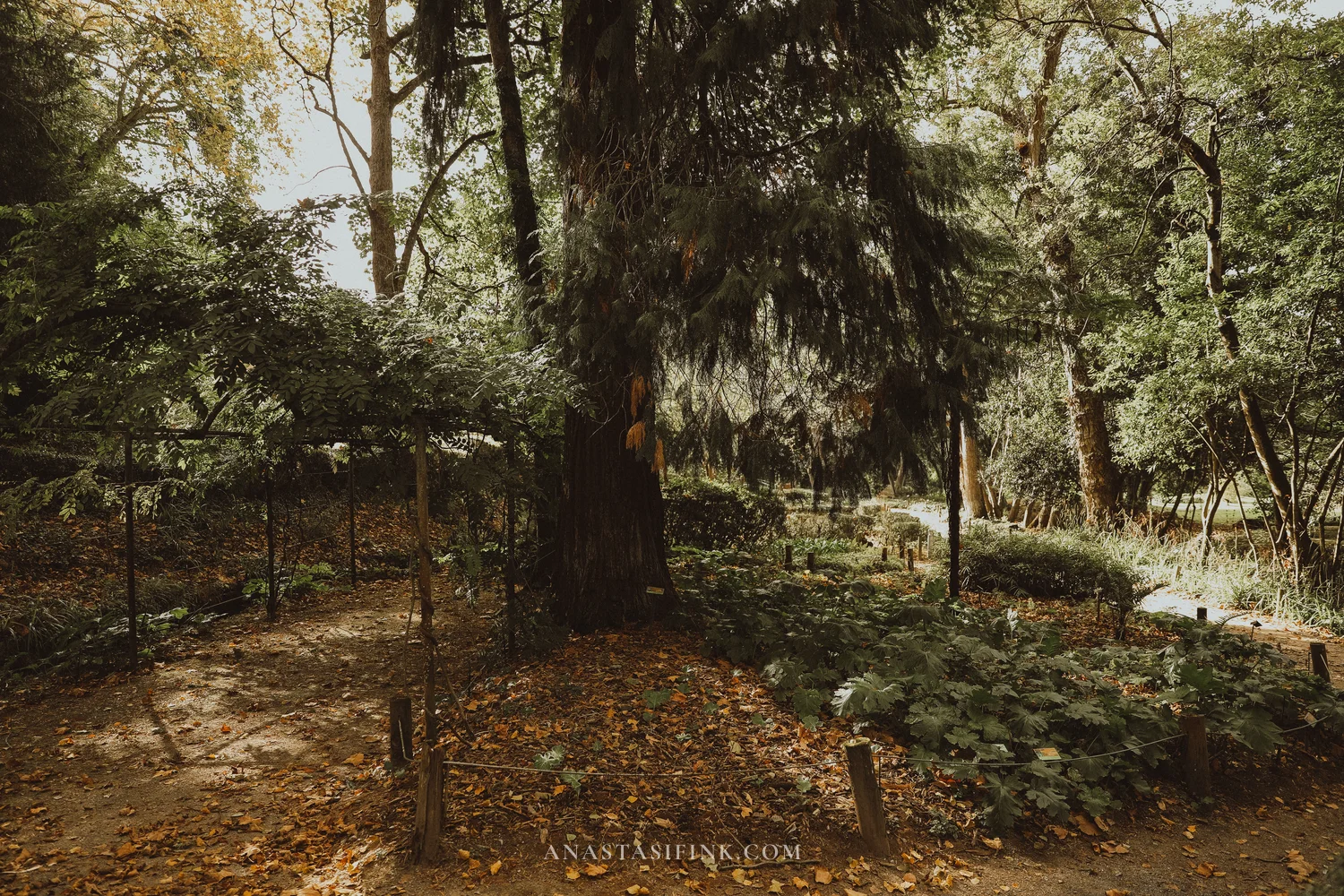
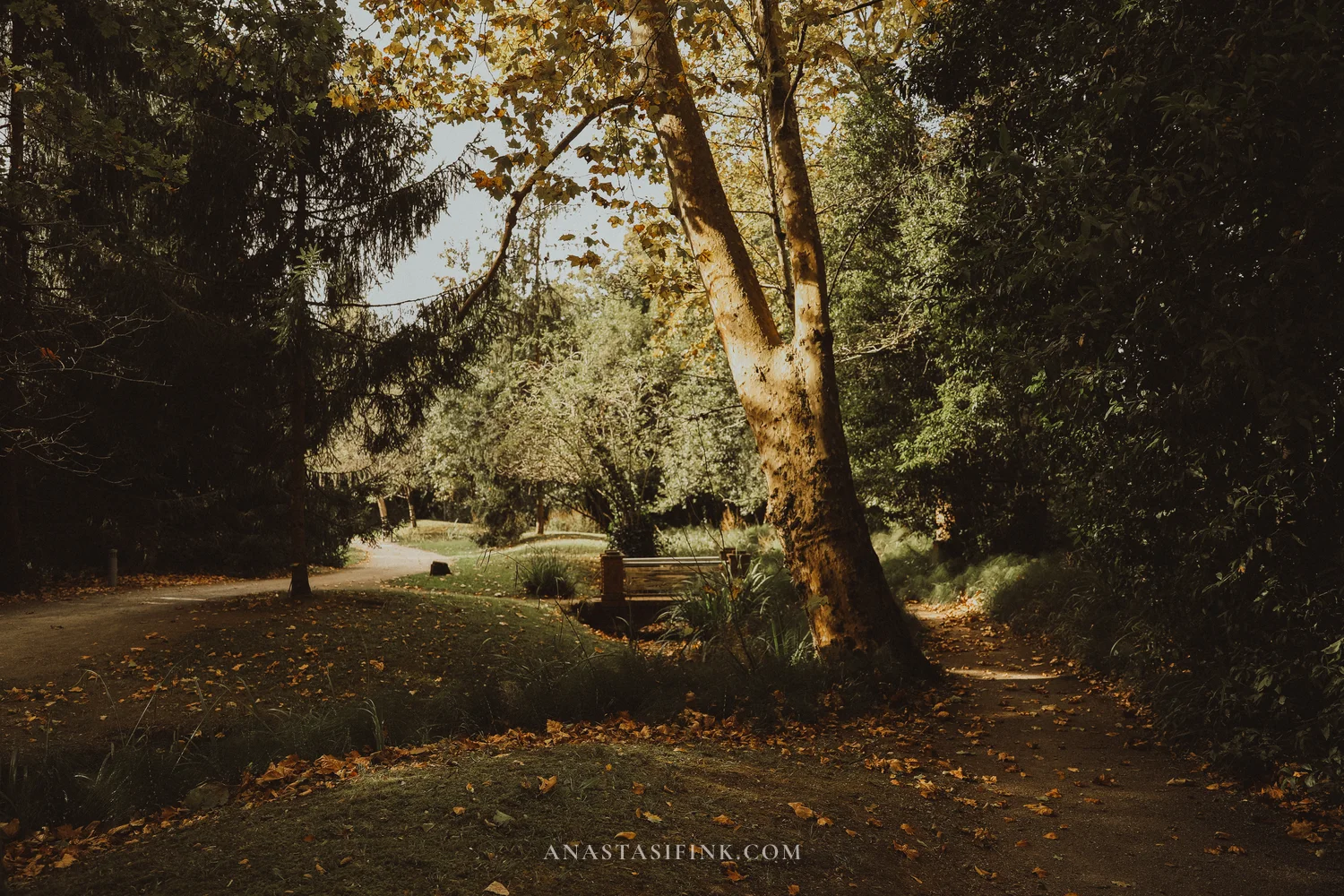
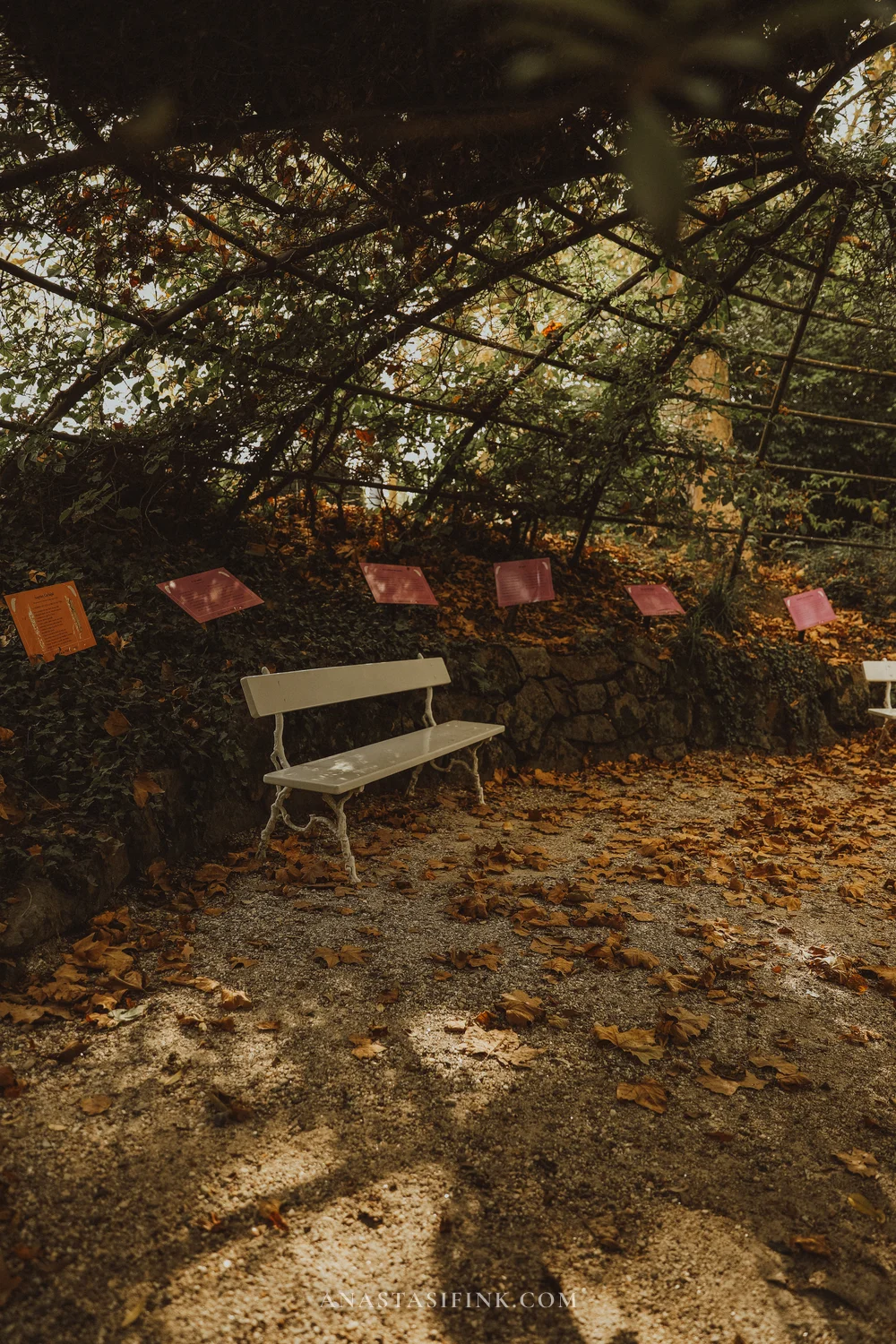
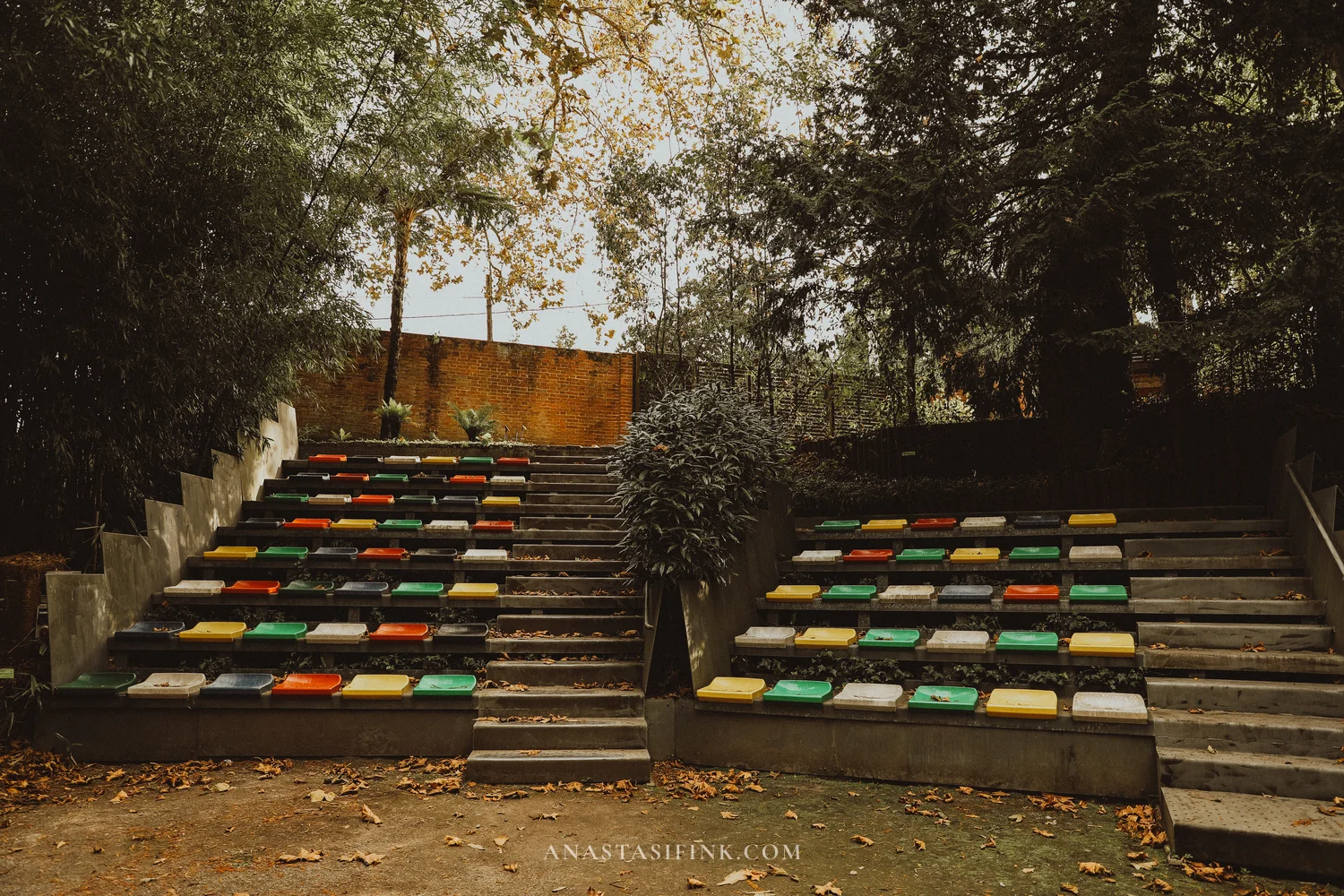
Pergolas and plane trees
11. European Boreal Biome: Spruce, Birch and Pine
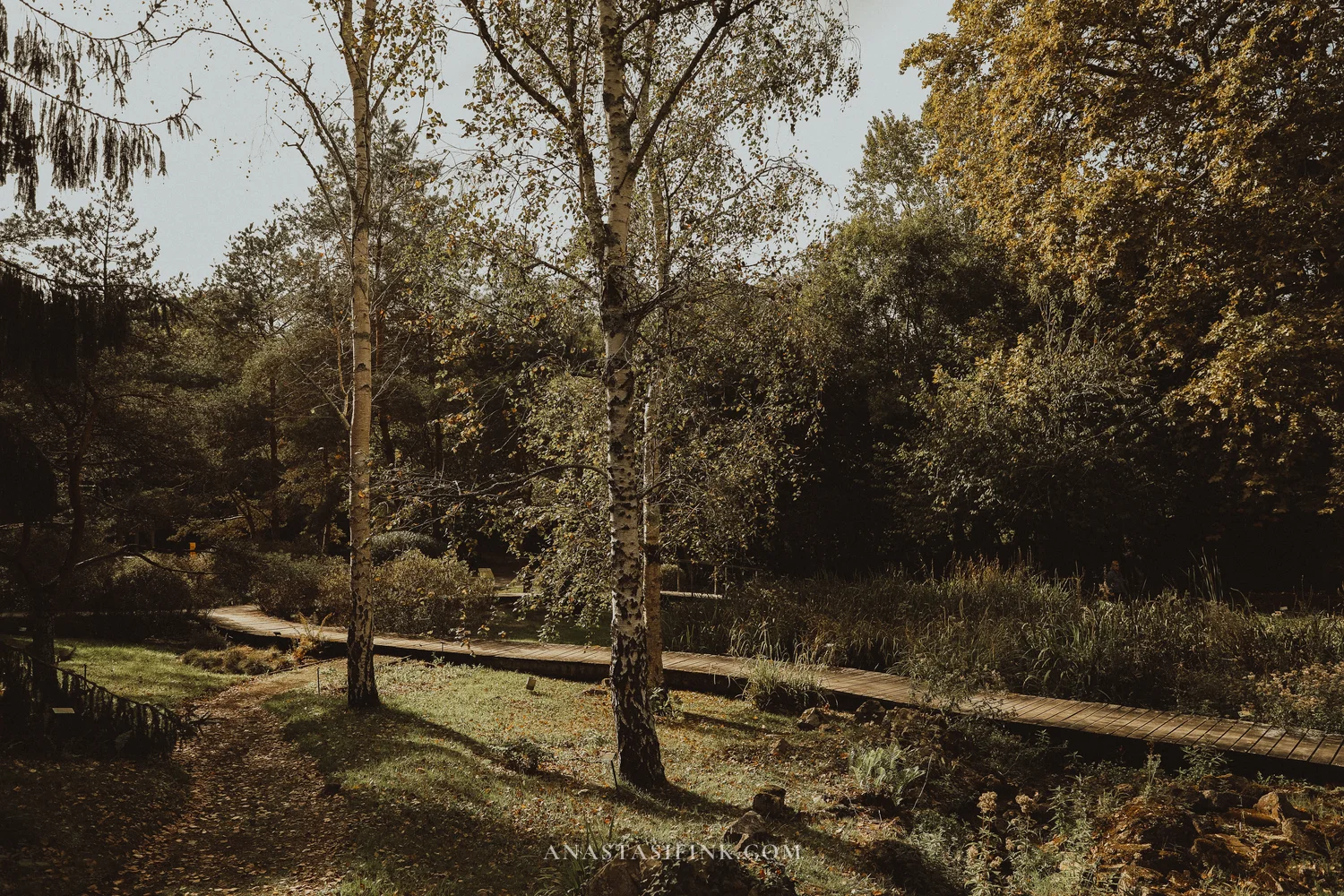
Behind the estate house begins the European part of the Itinerario Atlántico. There’s a spruce forest (26), boreal alder (27), birch woods (28), willow scrub (29), Scots pine (31) and a dwarf birch bog (32). Wooden boardwalks run over the wet ground, and boulders lie between the trees. A board explains that Scots pine grows where other trees struggle: on dry, poor or, the other way round, waterlogged soils.
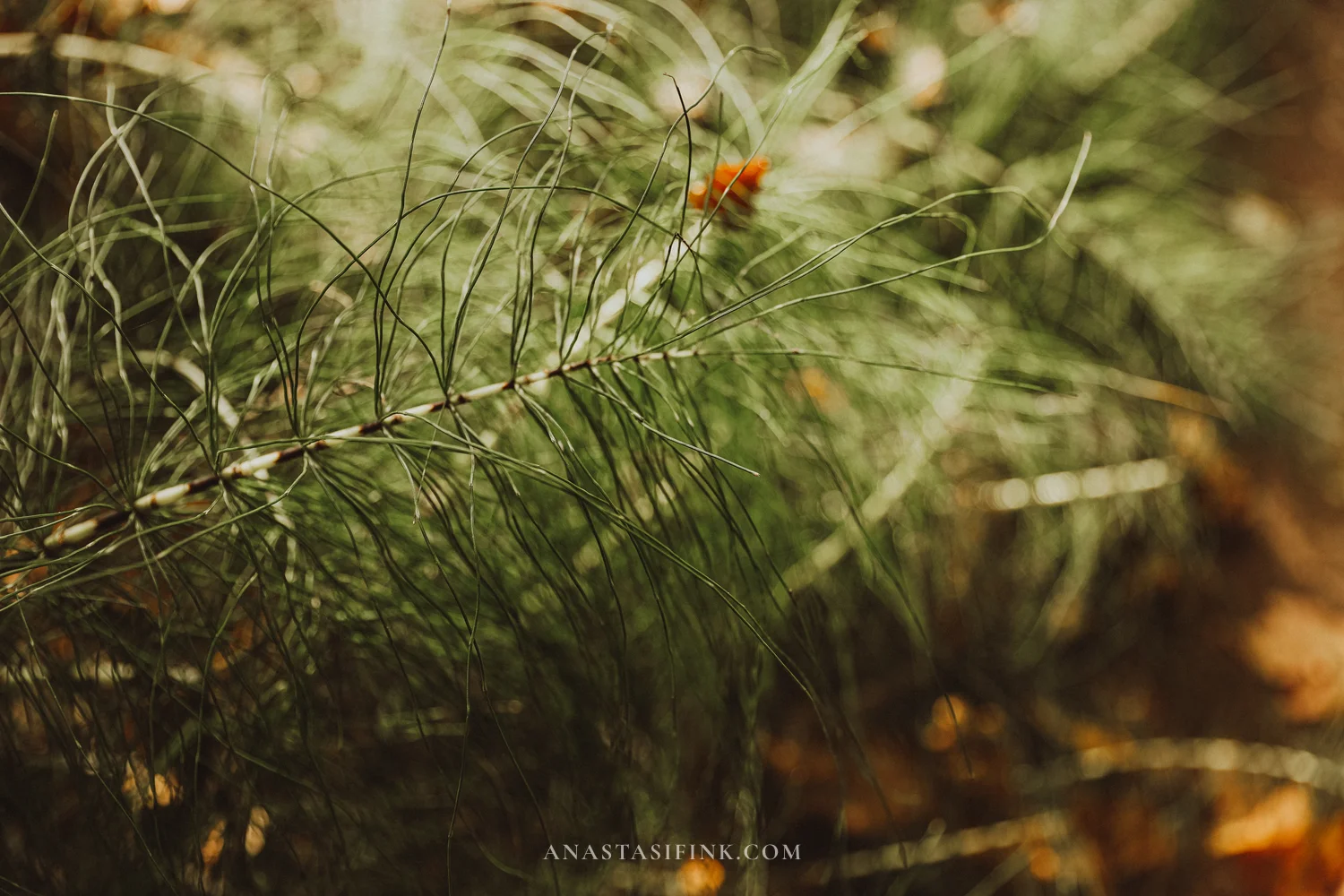
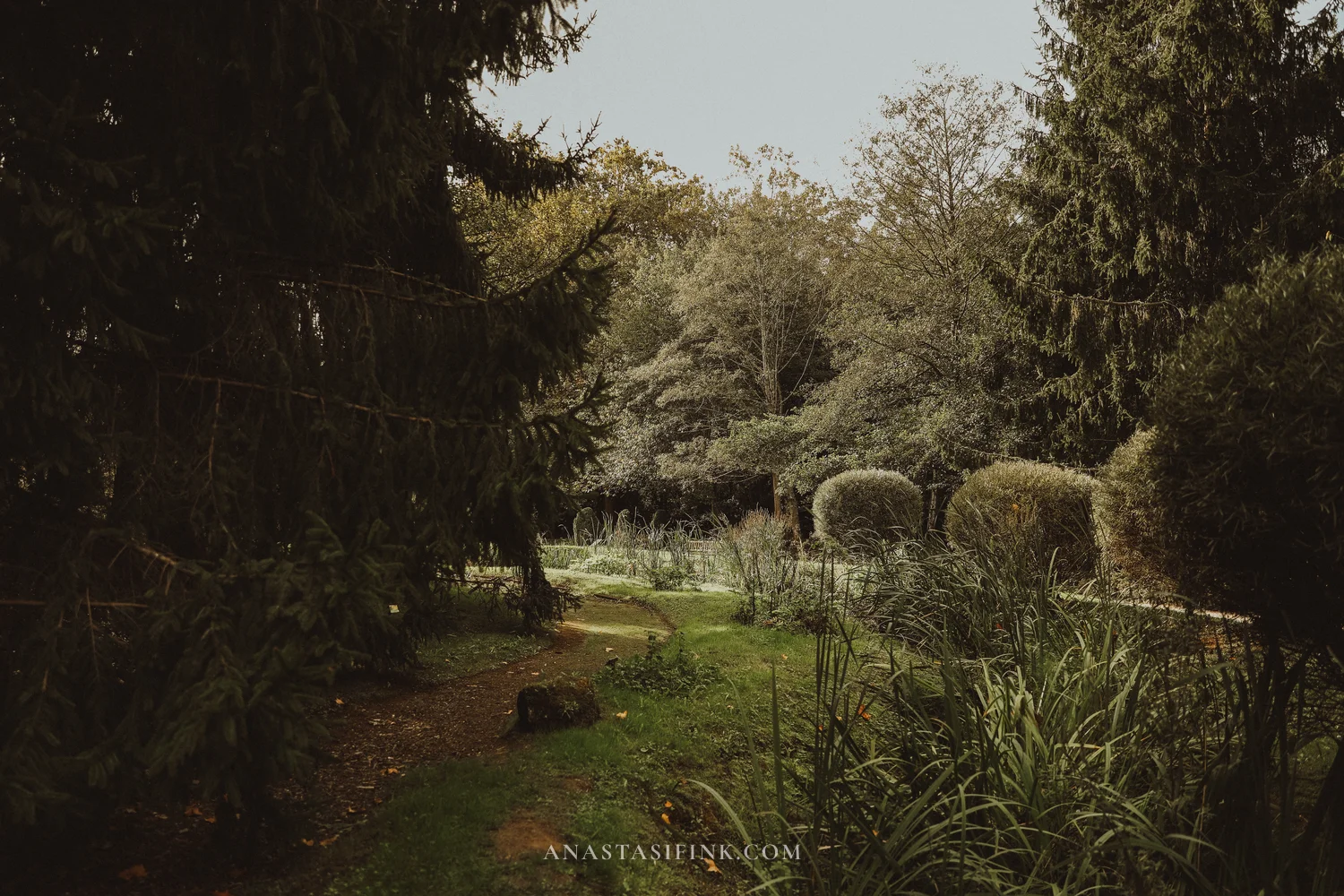

Spruce forest
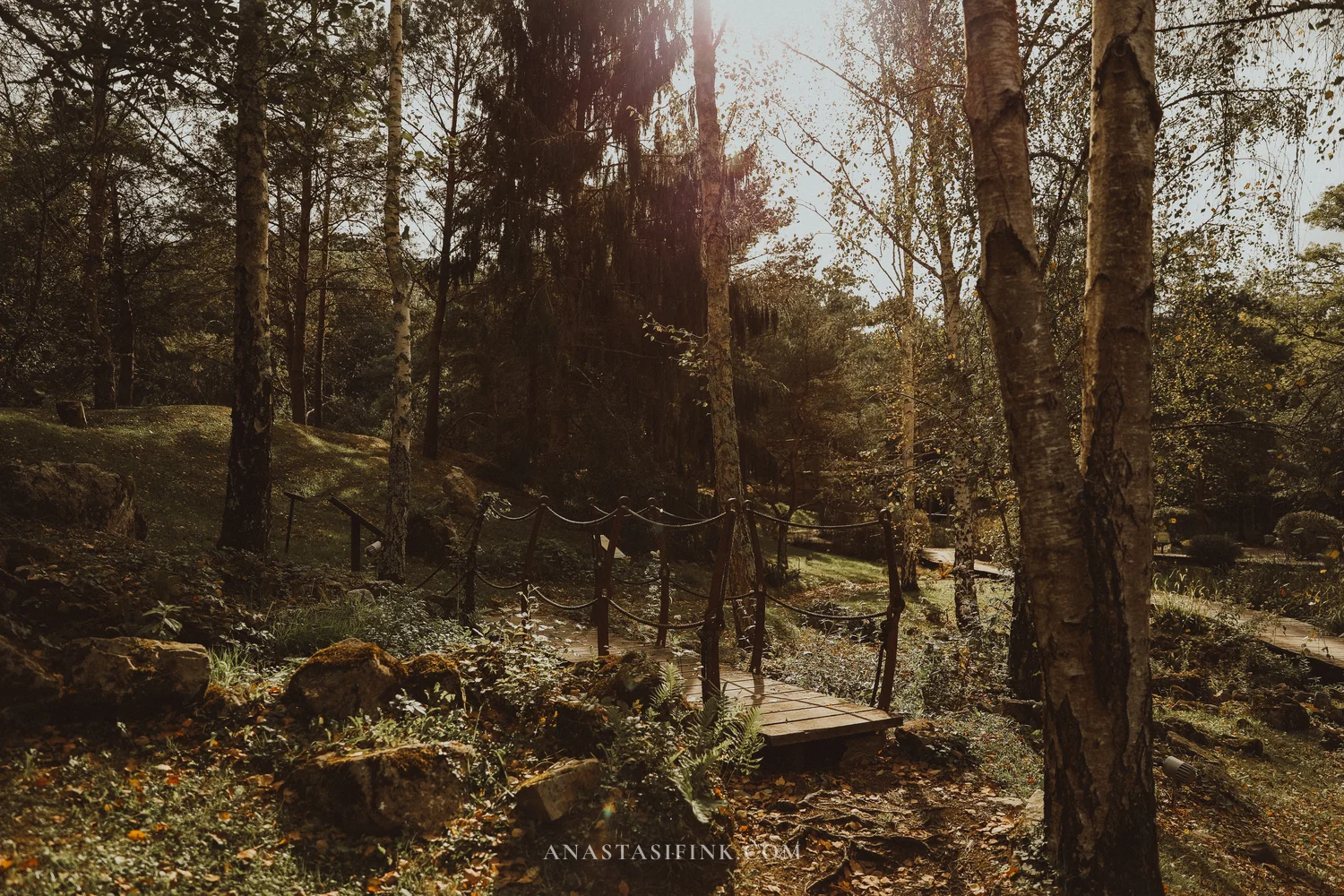
Birches, pines and boardwalks – it looks like a northern forest somewhere in Scandinavia.
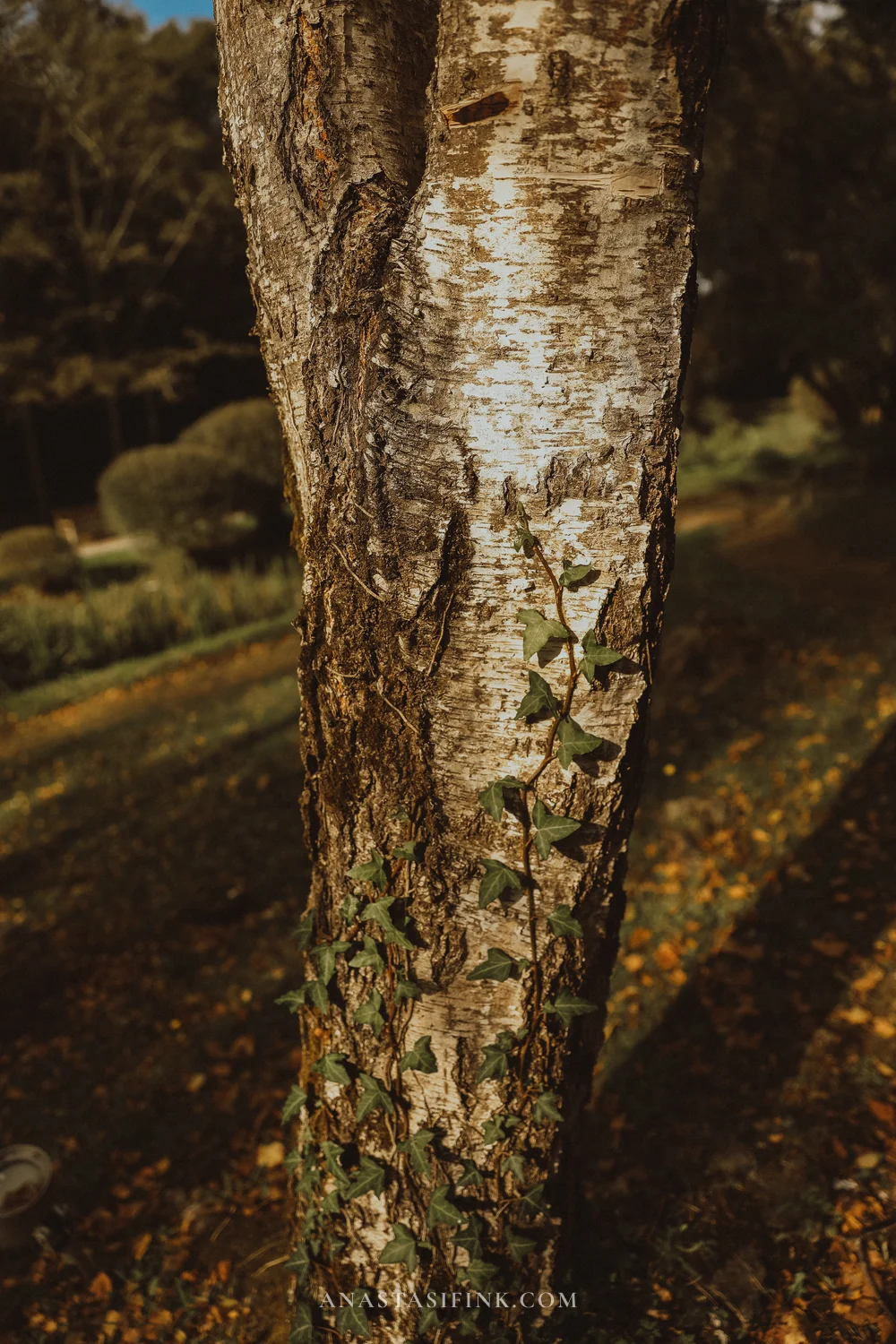
Most of the paths here are wooden boardwalks.
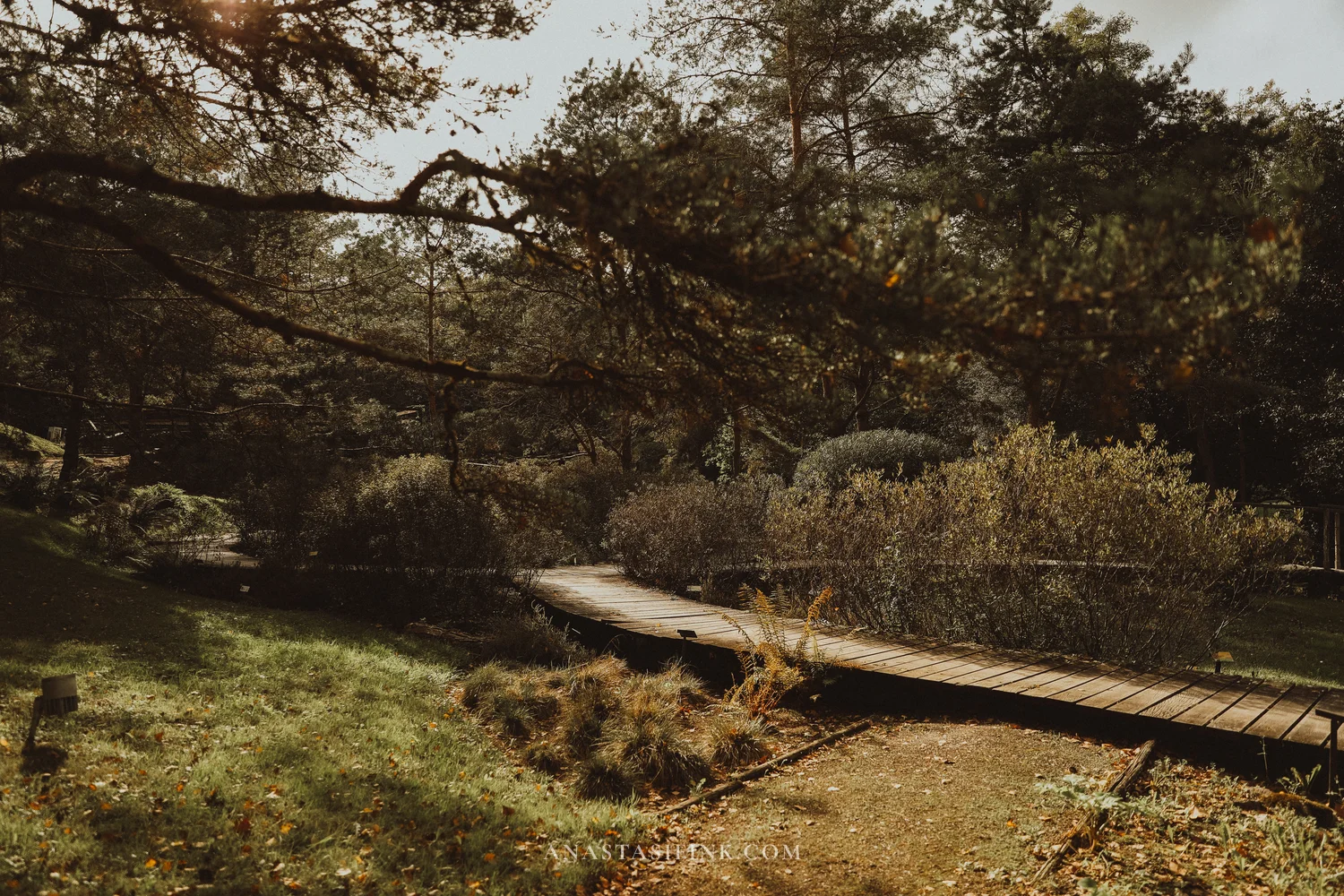
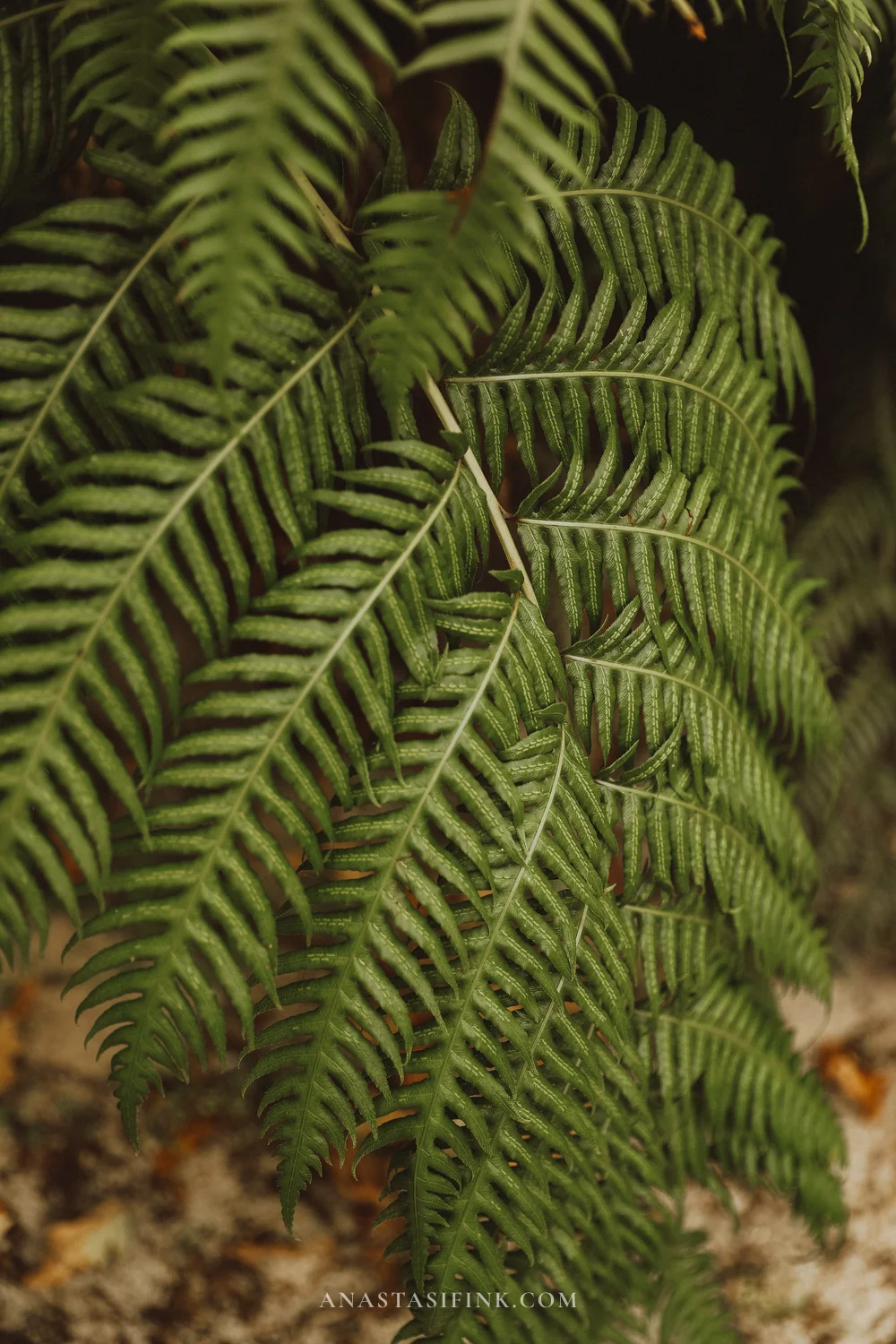
There are ferns underfoot, and by autumn they turn russet.

The pine forest is full of light, with a soft carpet of needles underfoot.
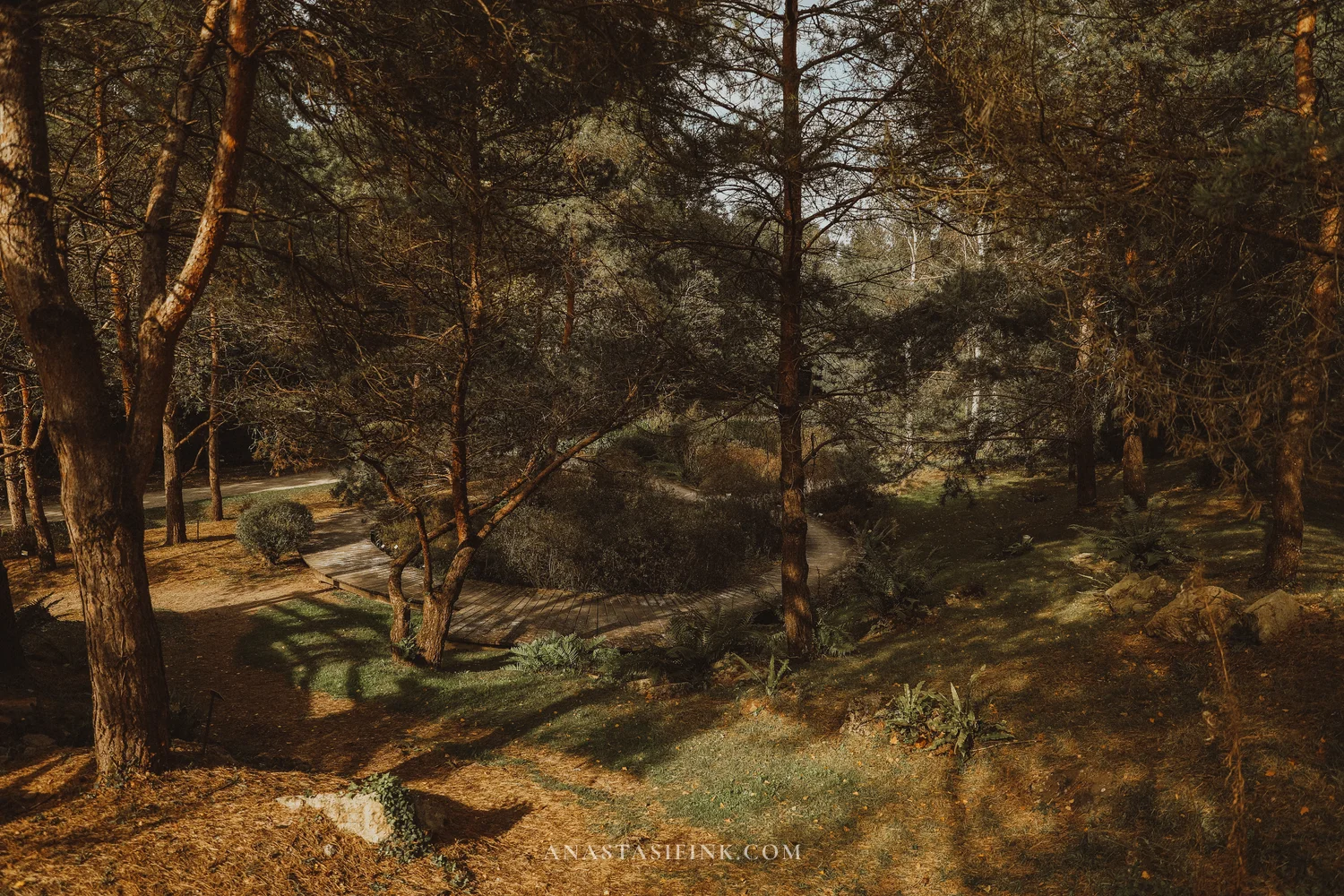
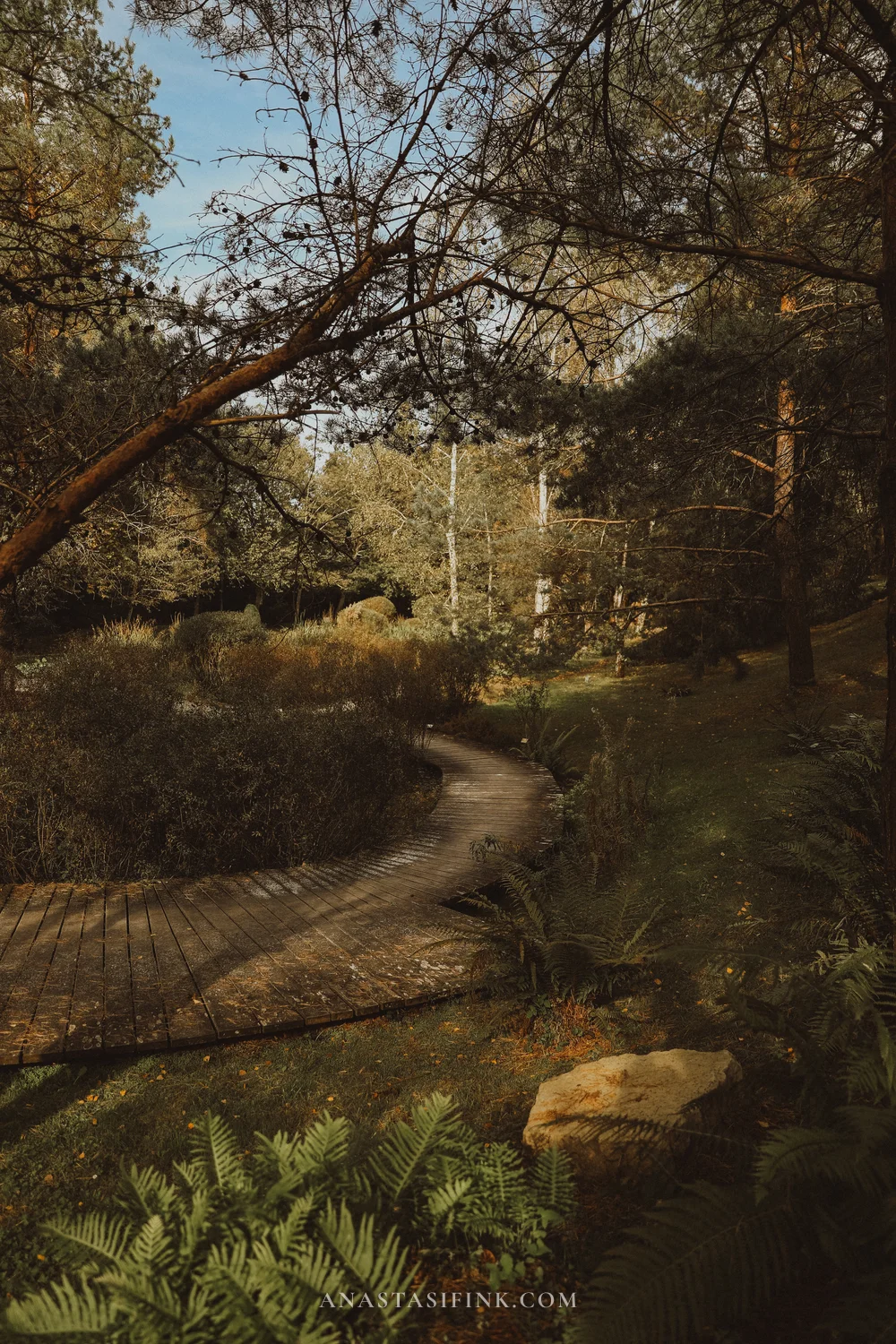
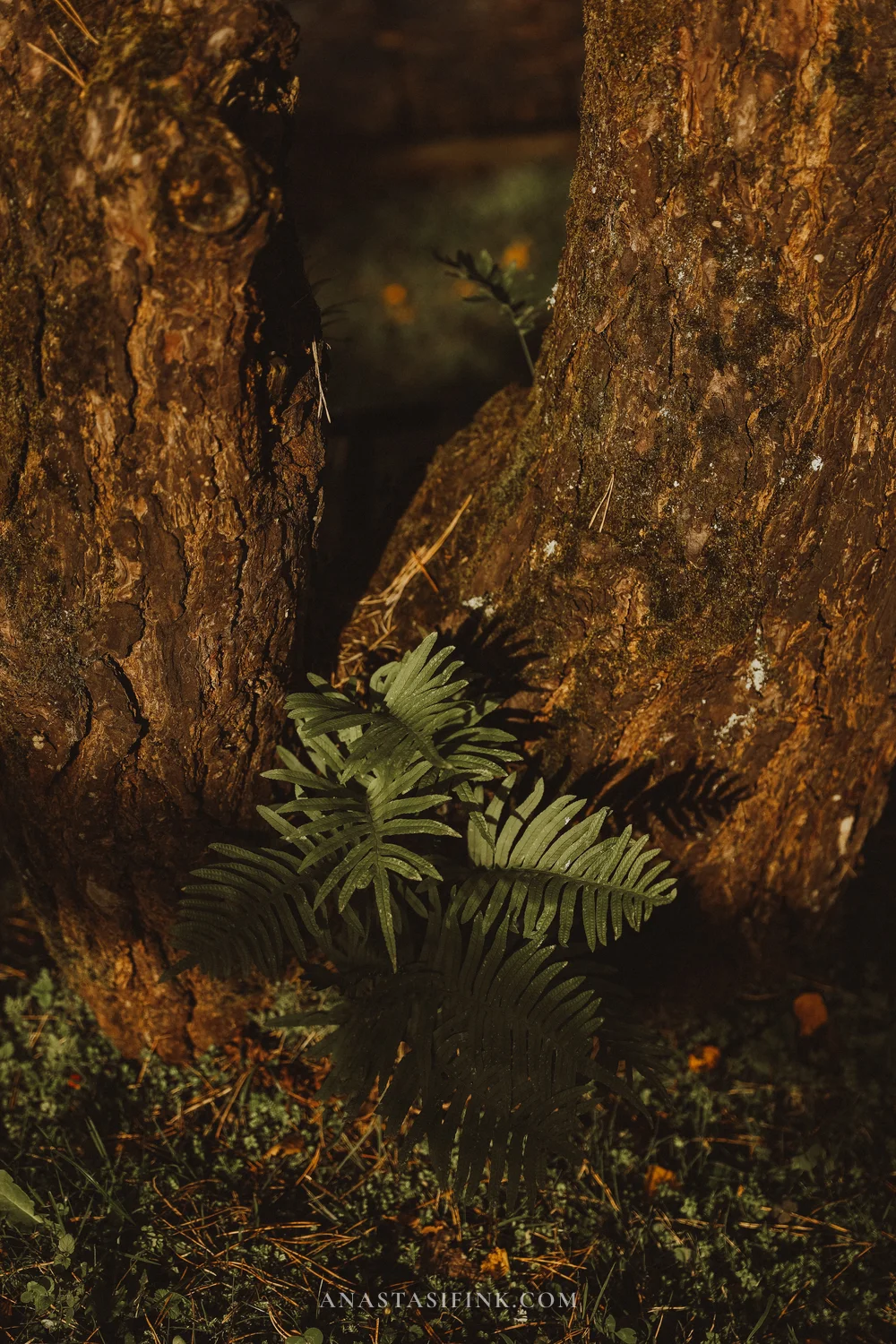
Polypody fern
12. Riverside Alder Forest and Oak Grove
From here the route heads to the far edge of the garden, into the European temperate forests: an alder forest along the stream (35) and an oak grove (36).
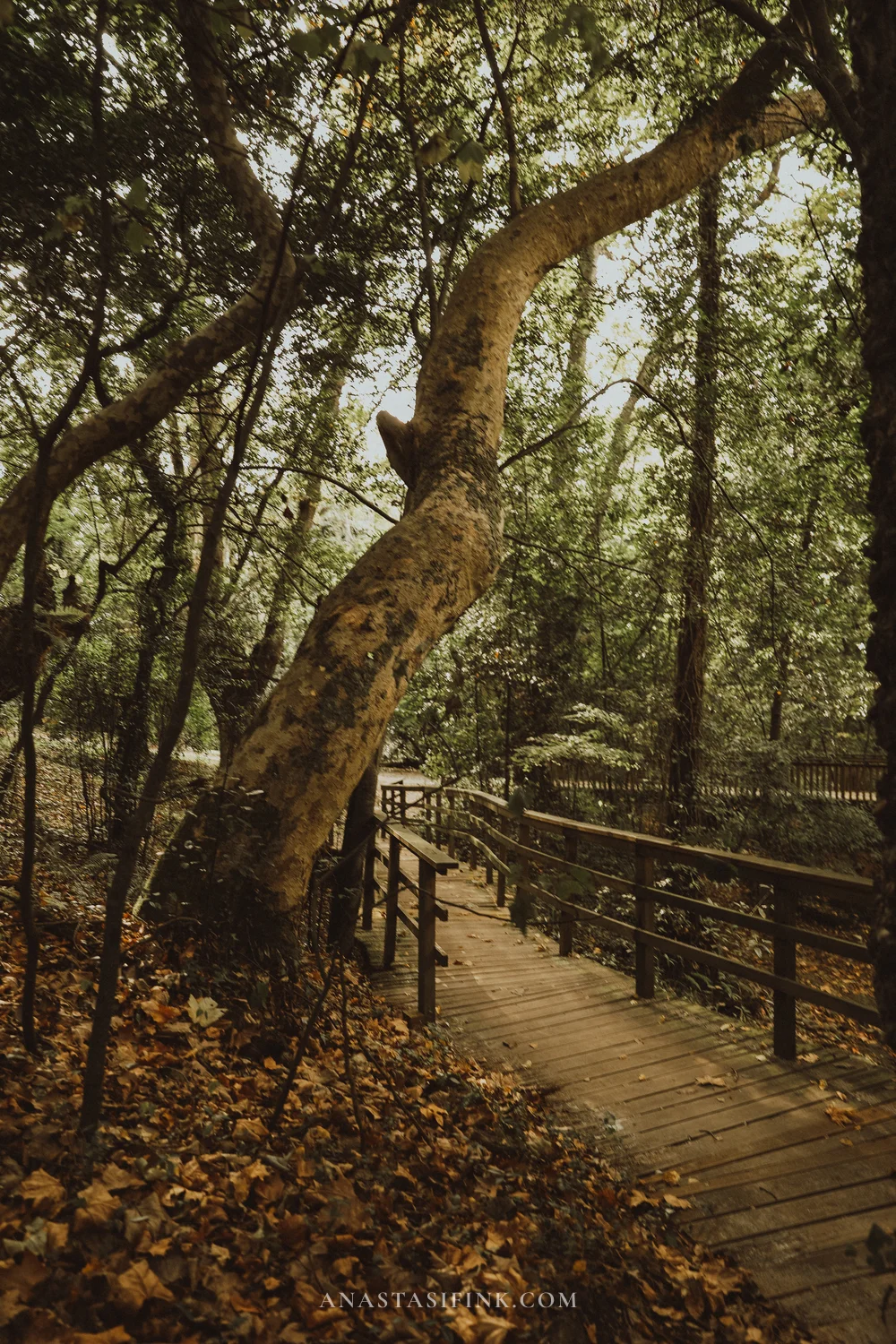
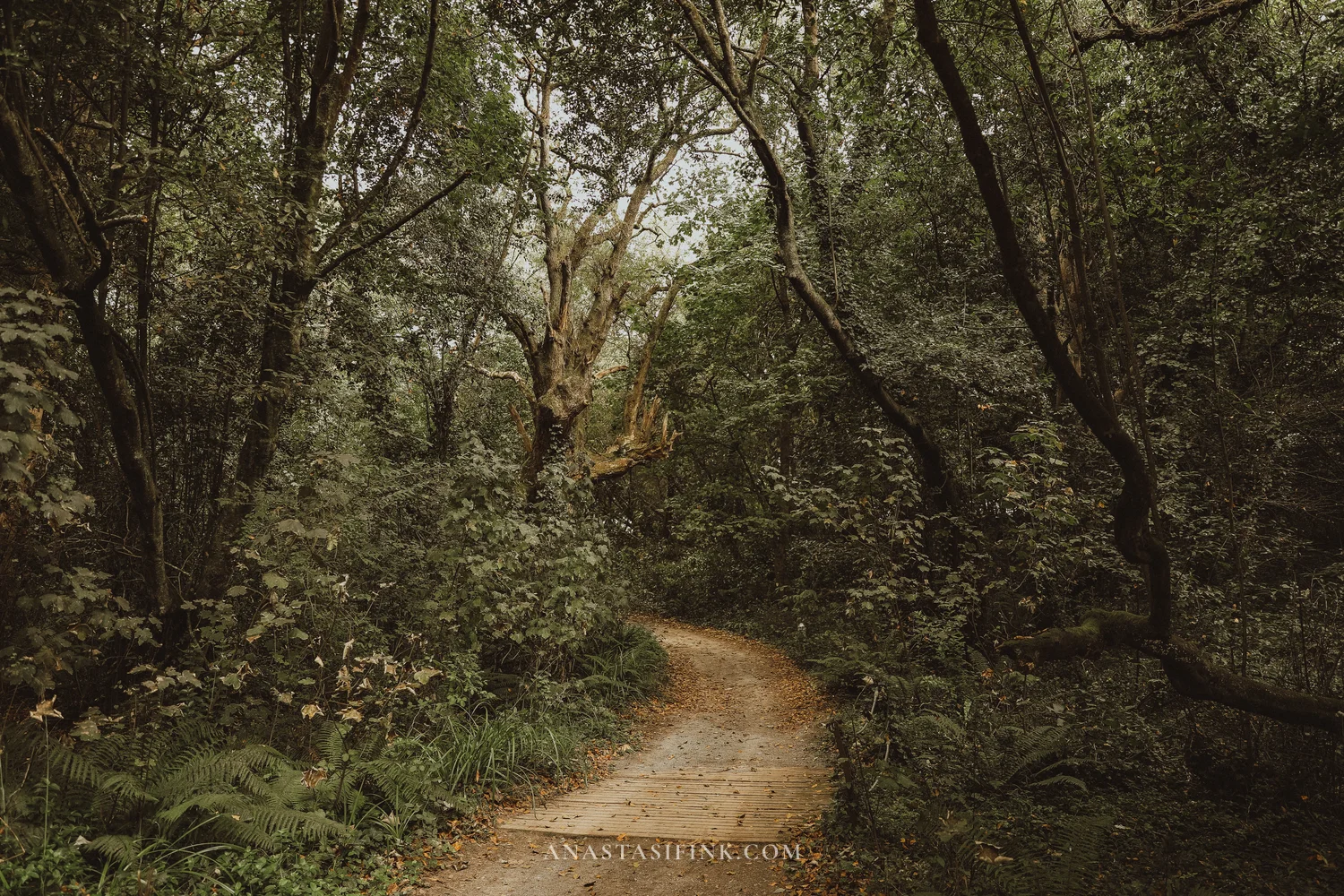
The trails switch between bare earth and wooden boardwalks.
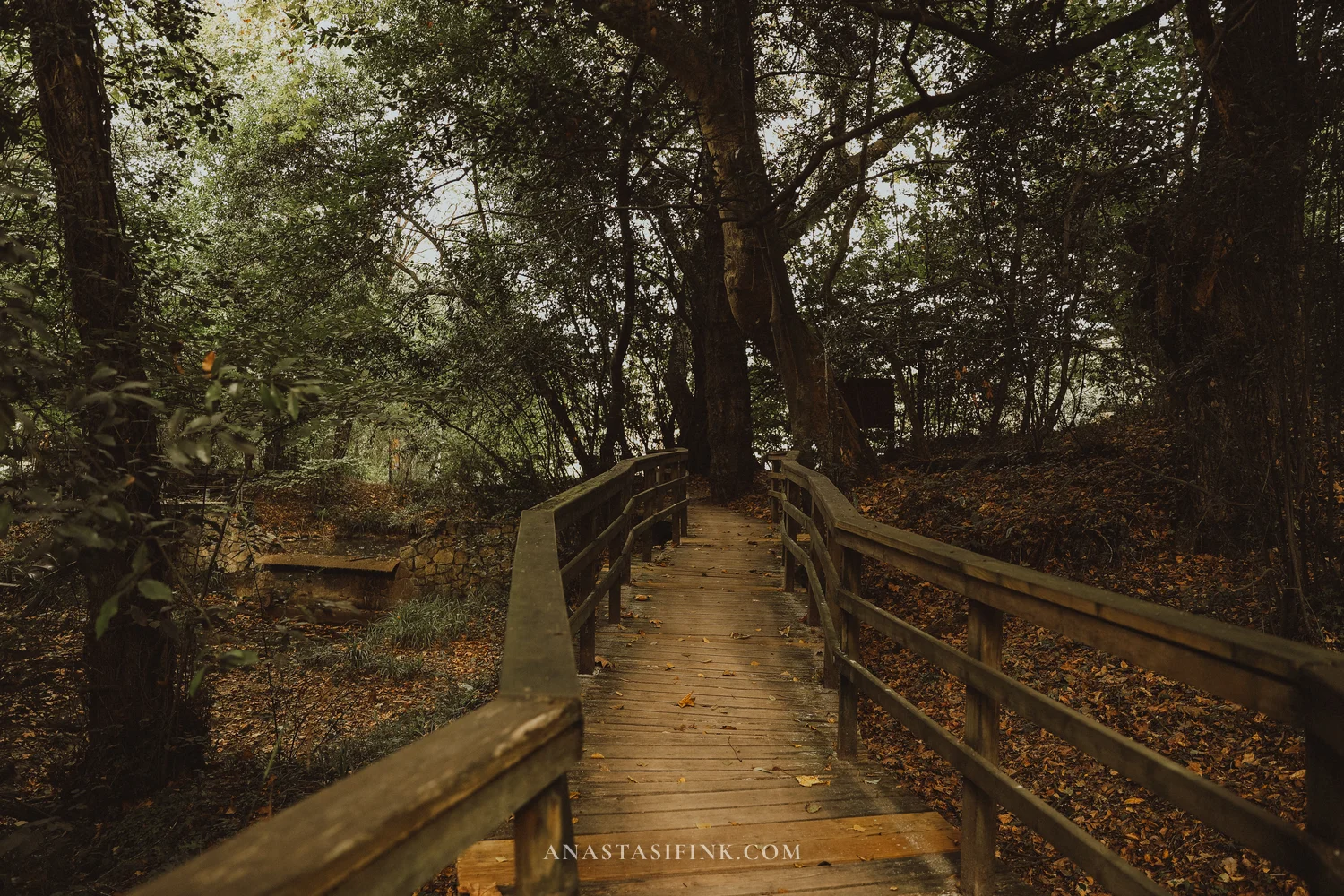
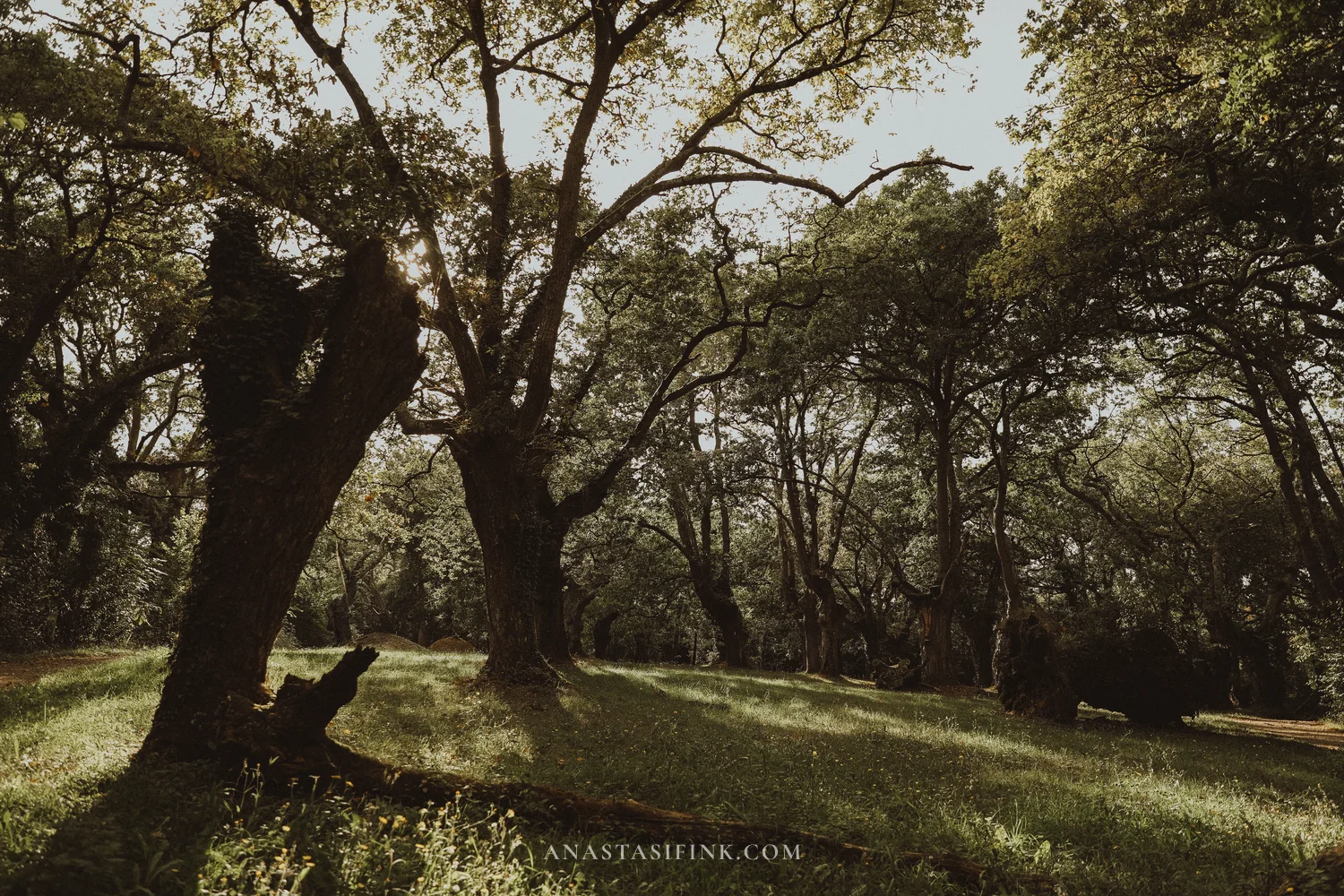
Carbayo is Asturian for the English (pedunculate) oak, and a carbayera is an oak grove. A board on the trail says this grove hasn’t been logged for about 150 years.
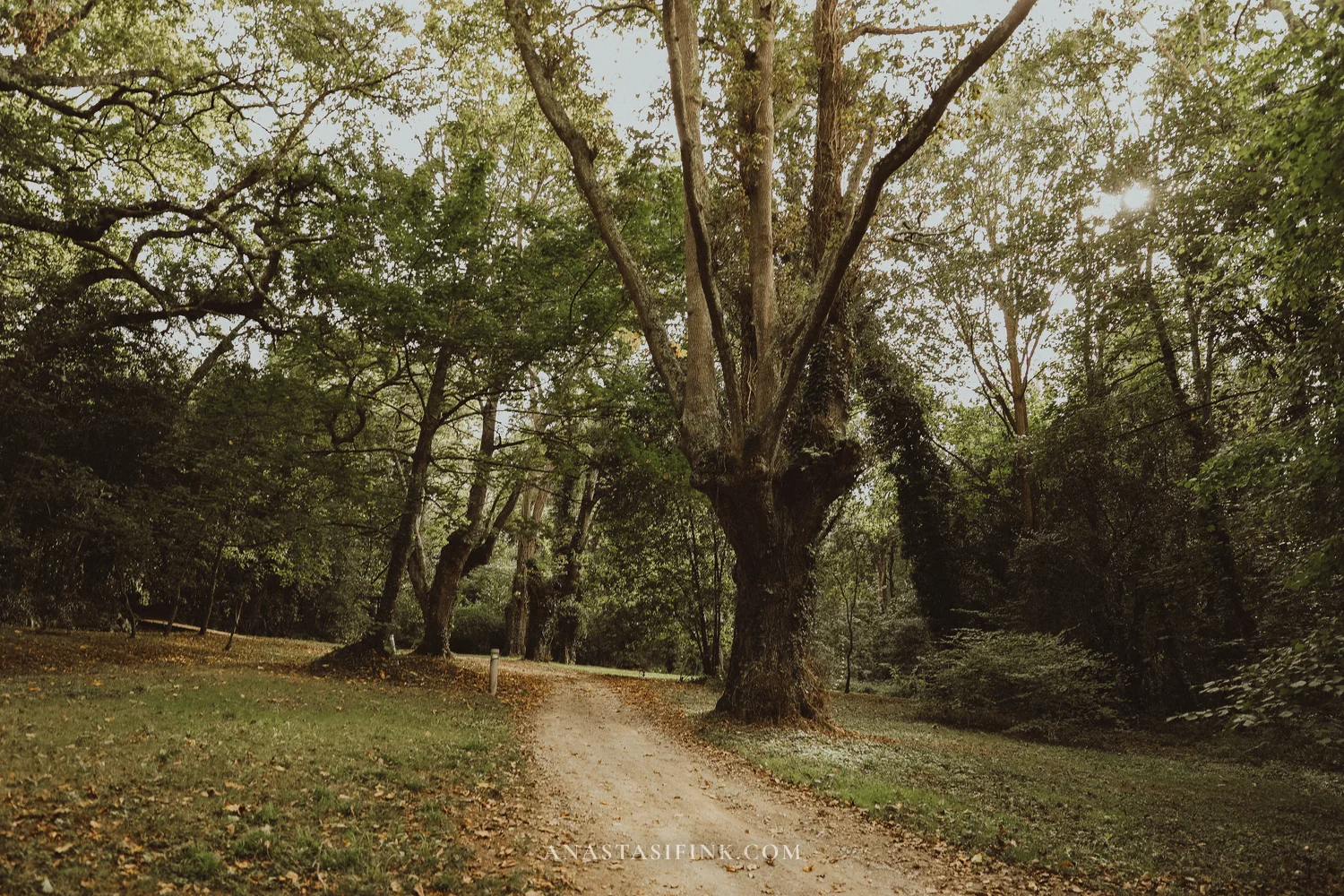

It’s damp and quiet here, and there’s hardly anyone around.
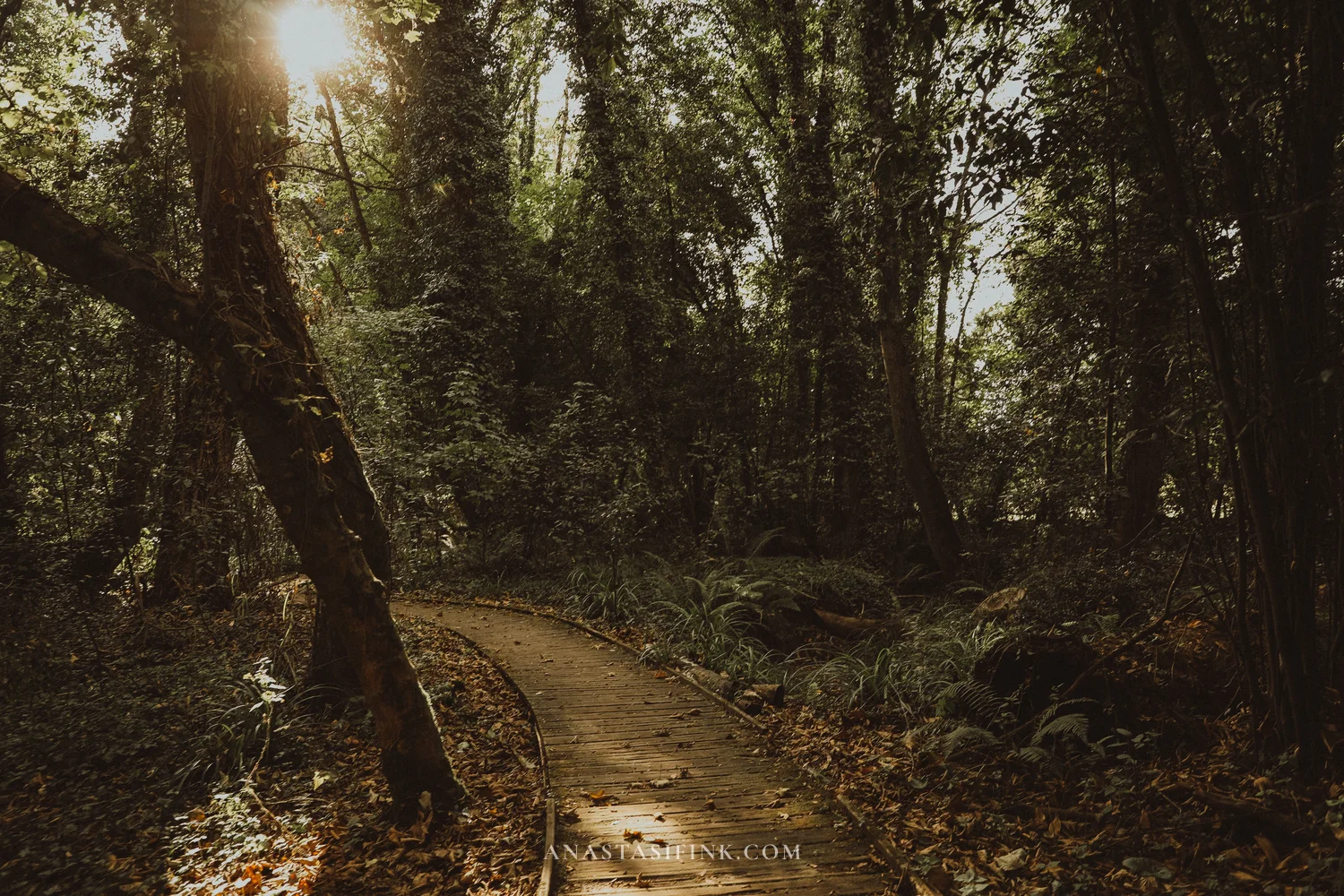
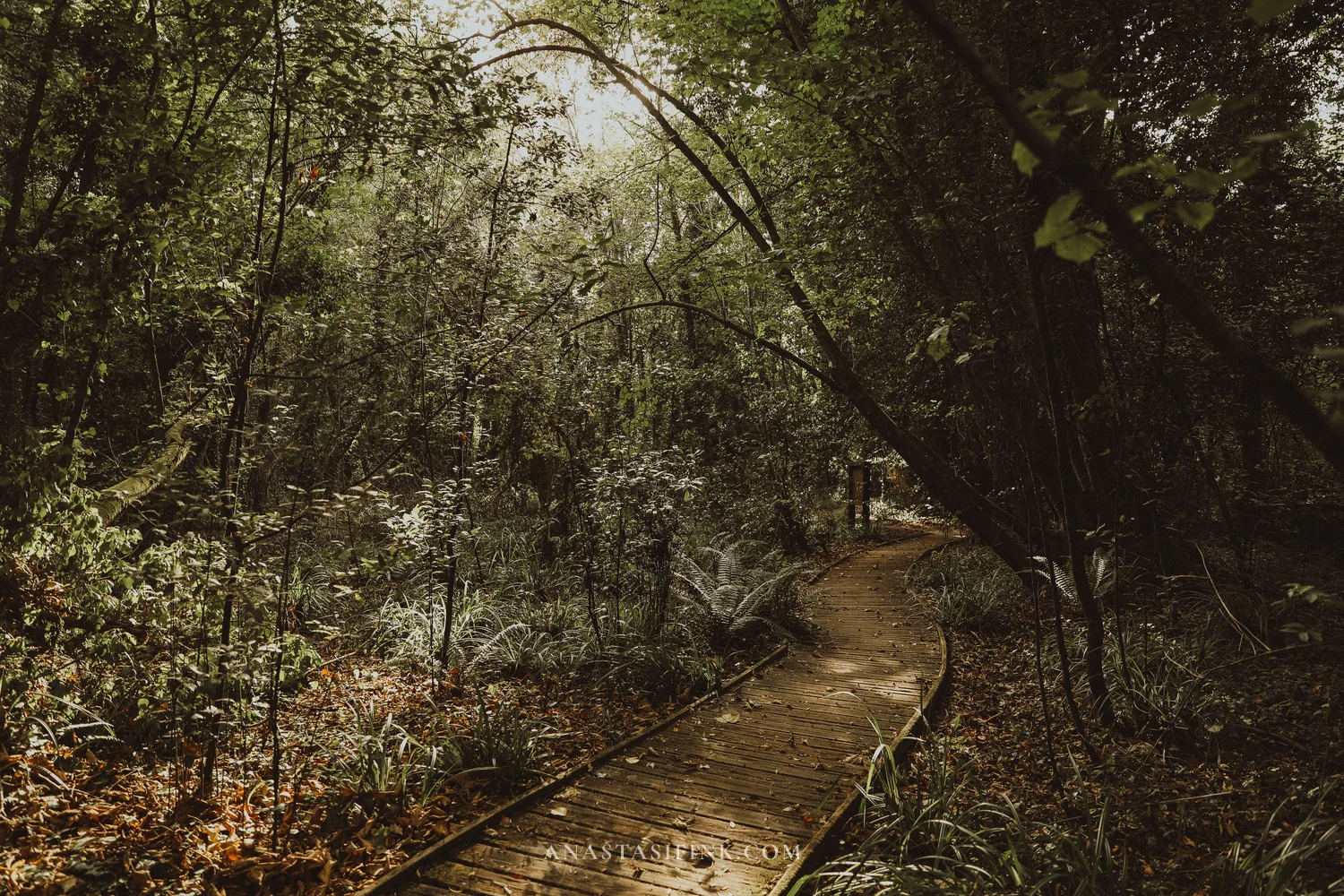
Alder forest
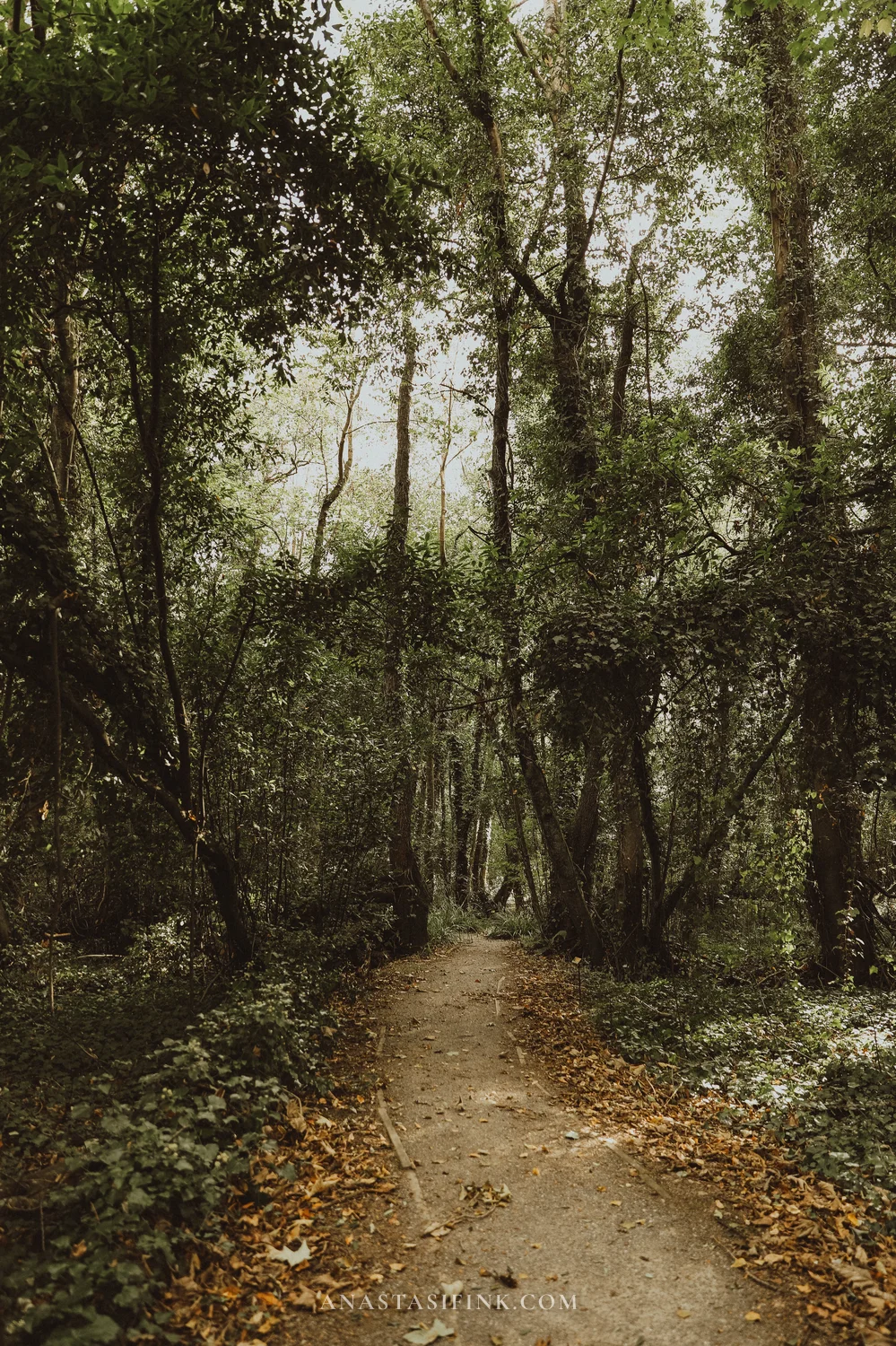
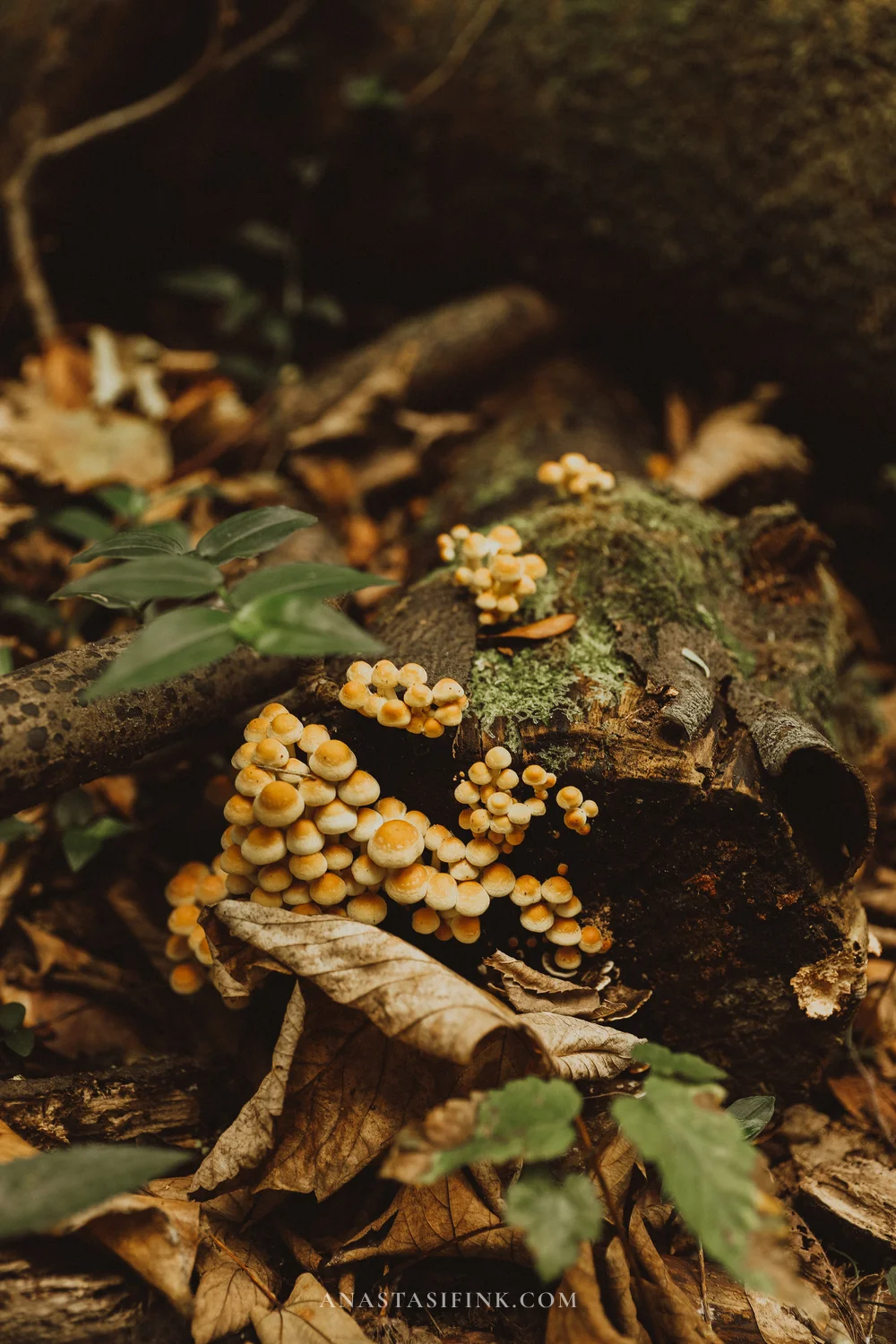
Dog’s mercury (Mercurialis perennis), a common plant of damp broadleaf woods in Europe, grows under the trees, and the fallen trunks are covered in fungi.
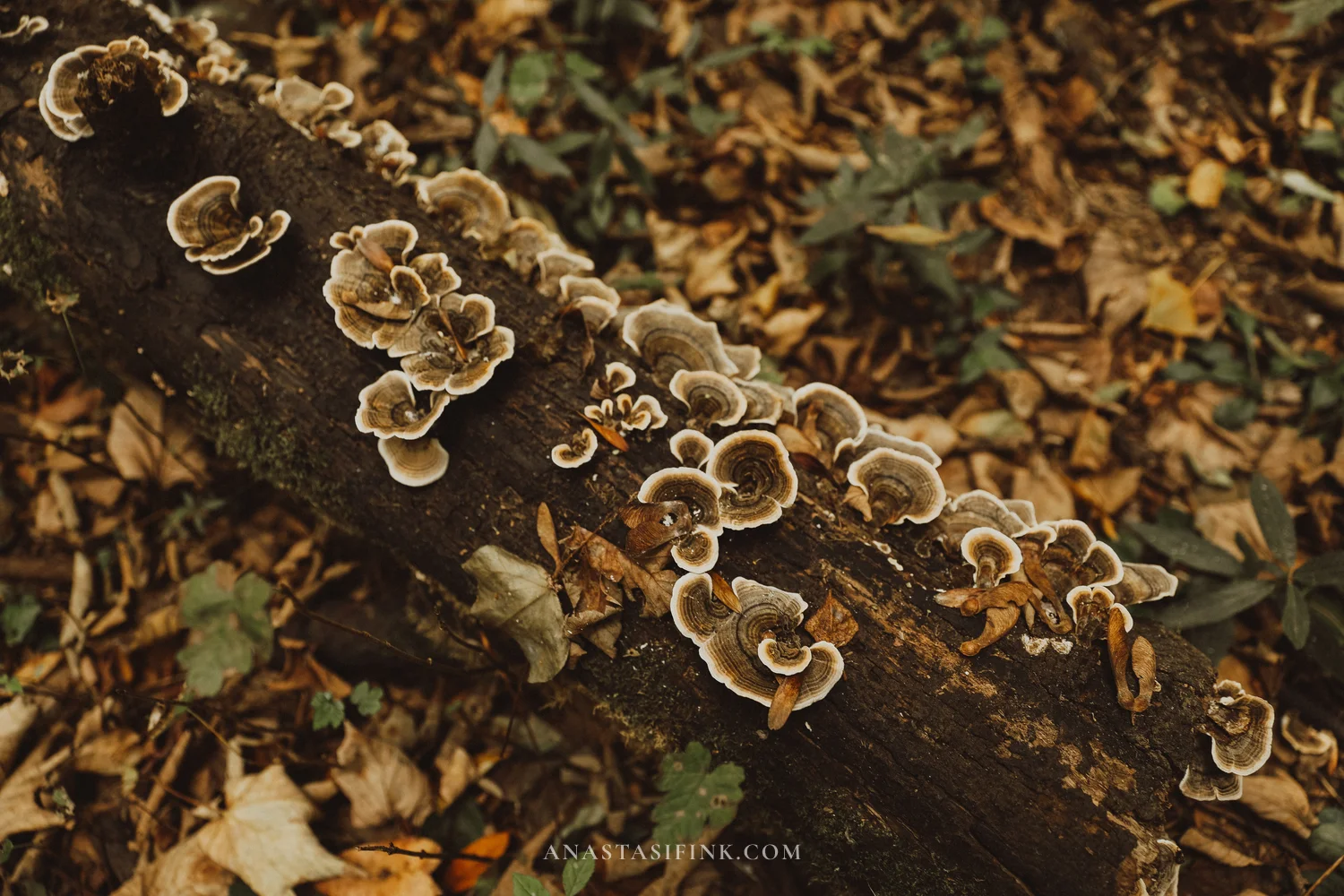

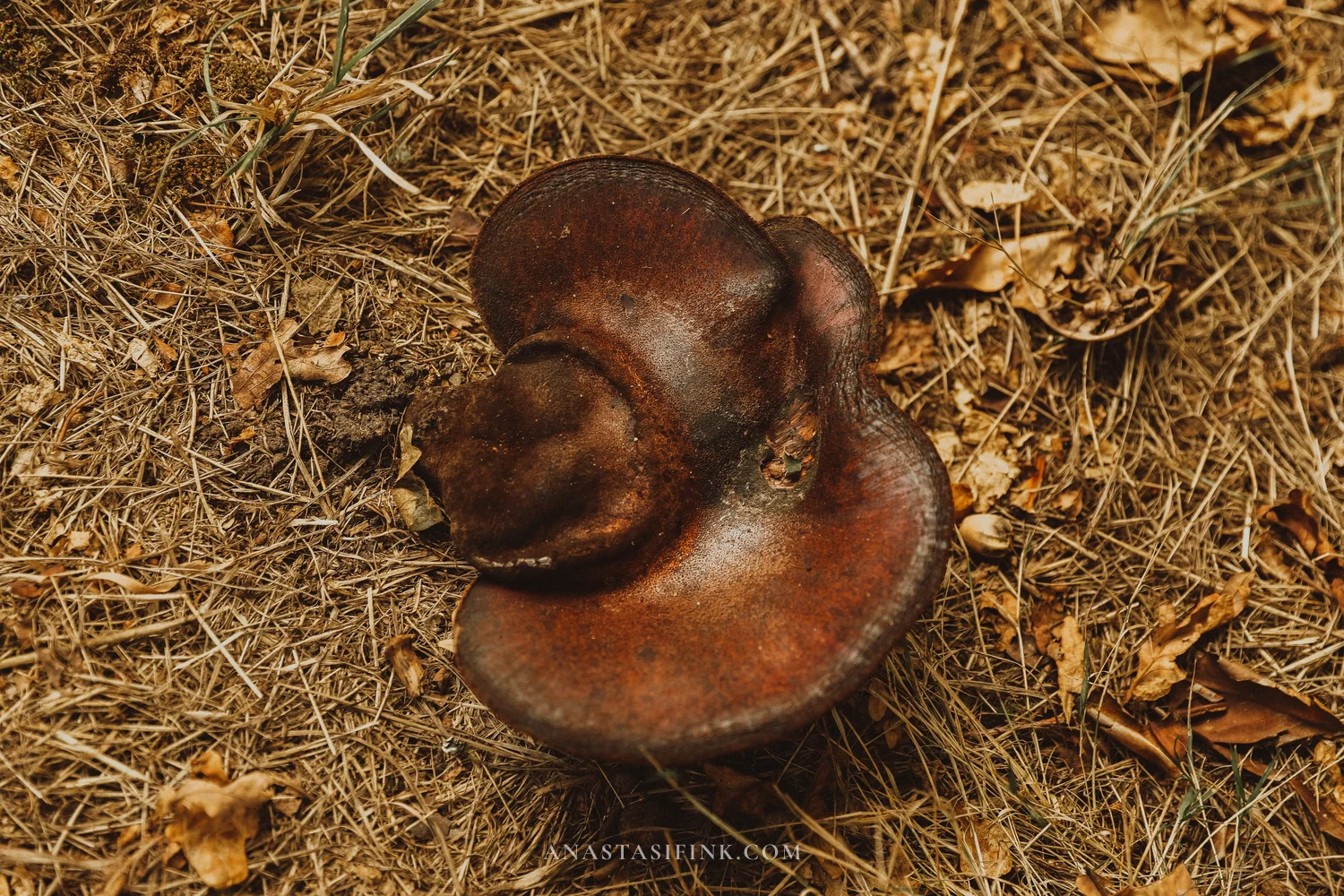
Turkey tail (Trametes)
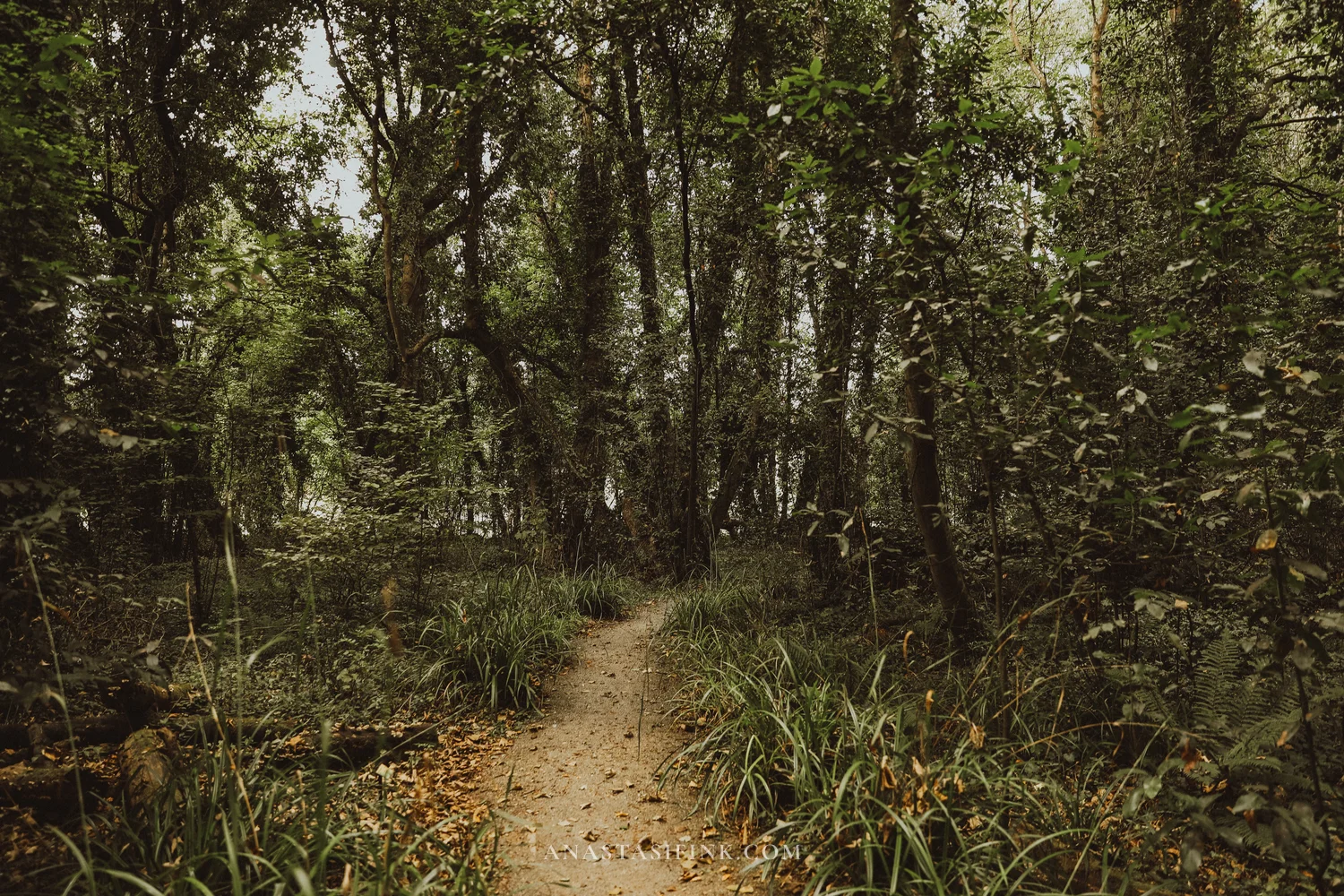
The paths here are narrow, with tall grass on both sides.
13. The Picnic Meadow
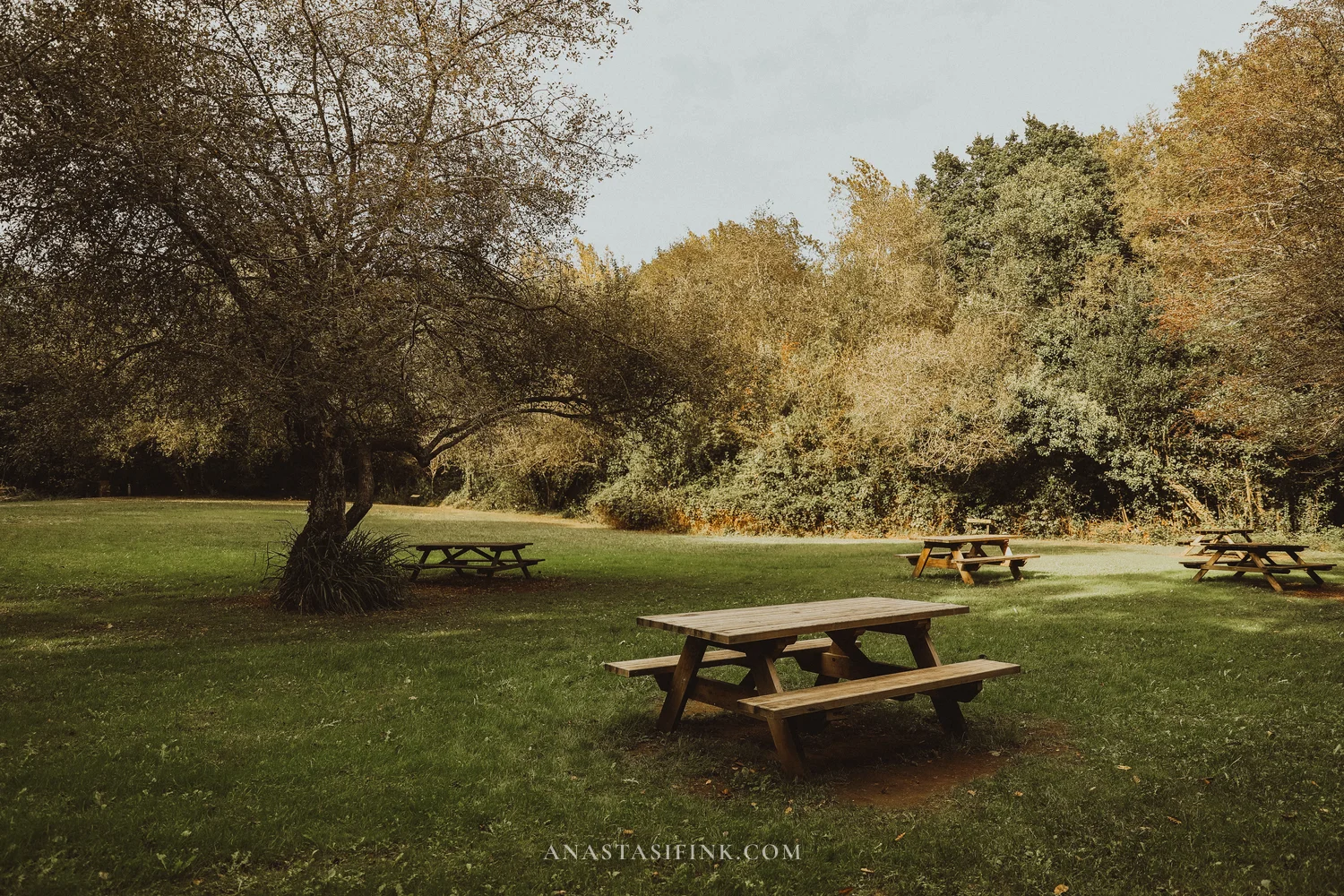
Through the mixed forest (38) the trail comes out into a meadow with wooden picnic tables, almost in the woods. It’s easy to spot on the map by the toilet and drinking fountain icons. Do bring a snack: it’s really nice to sit down and eat here after a couple of hours of walking.
14. Beech Forest and the Carbayera de El Tragamón
From the meadow I took the upper trail through the beech (39) and mixed (38) forest and came out at the Carbayera de El Tragamón (37). It’s a protected natural monument, and about half of the grove lies inside the botanical garden.

Another board tells the story of the charcoal piles (carboneras). Until the 20th century, charcoal in the Cantabrian mountains was made by hand: wood was stacked around two upright poles, covered with earth and branches and burned slowly with almost no air.

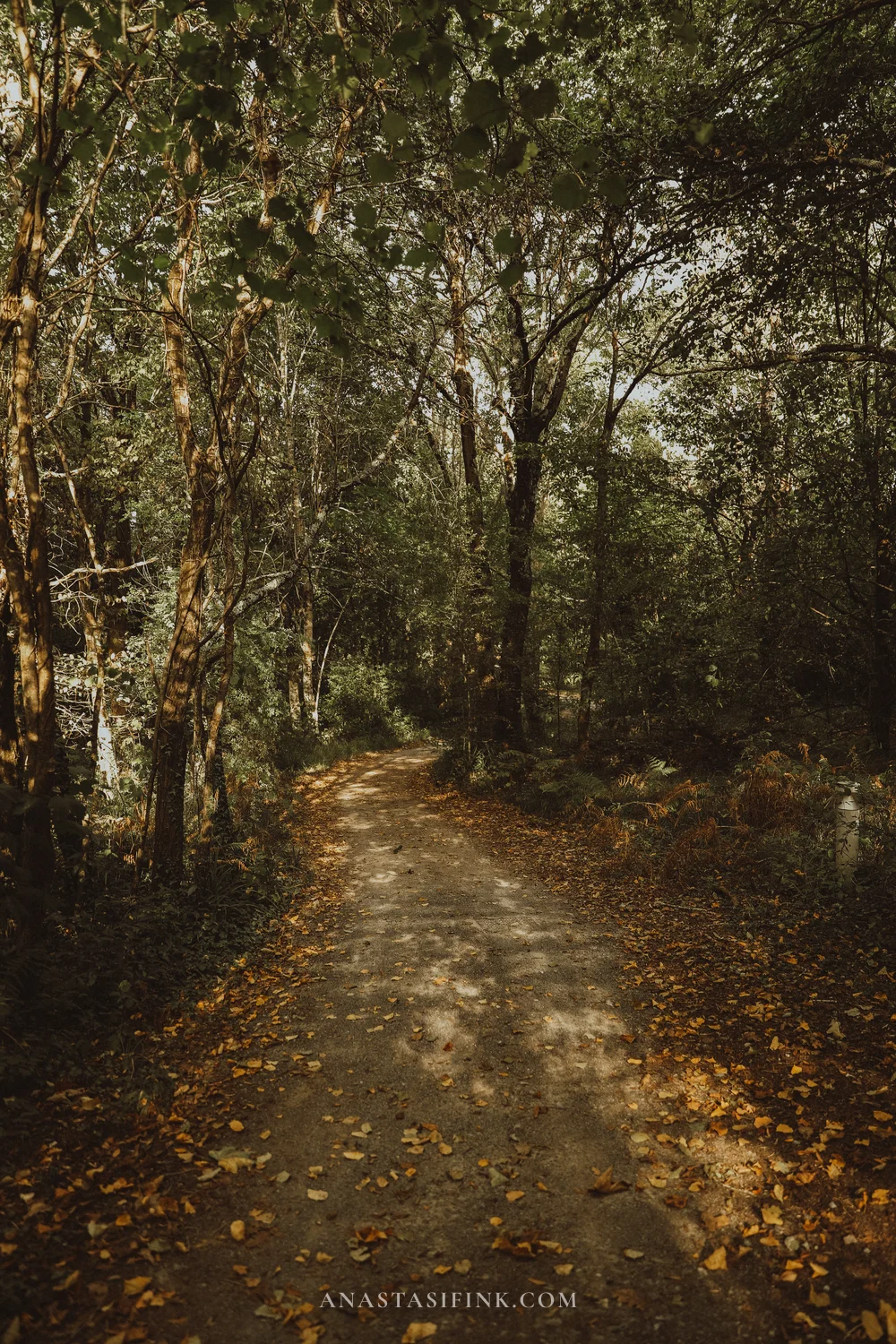
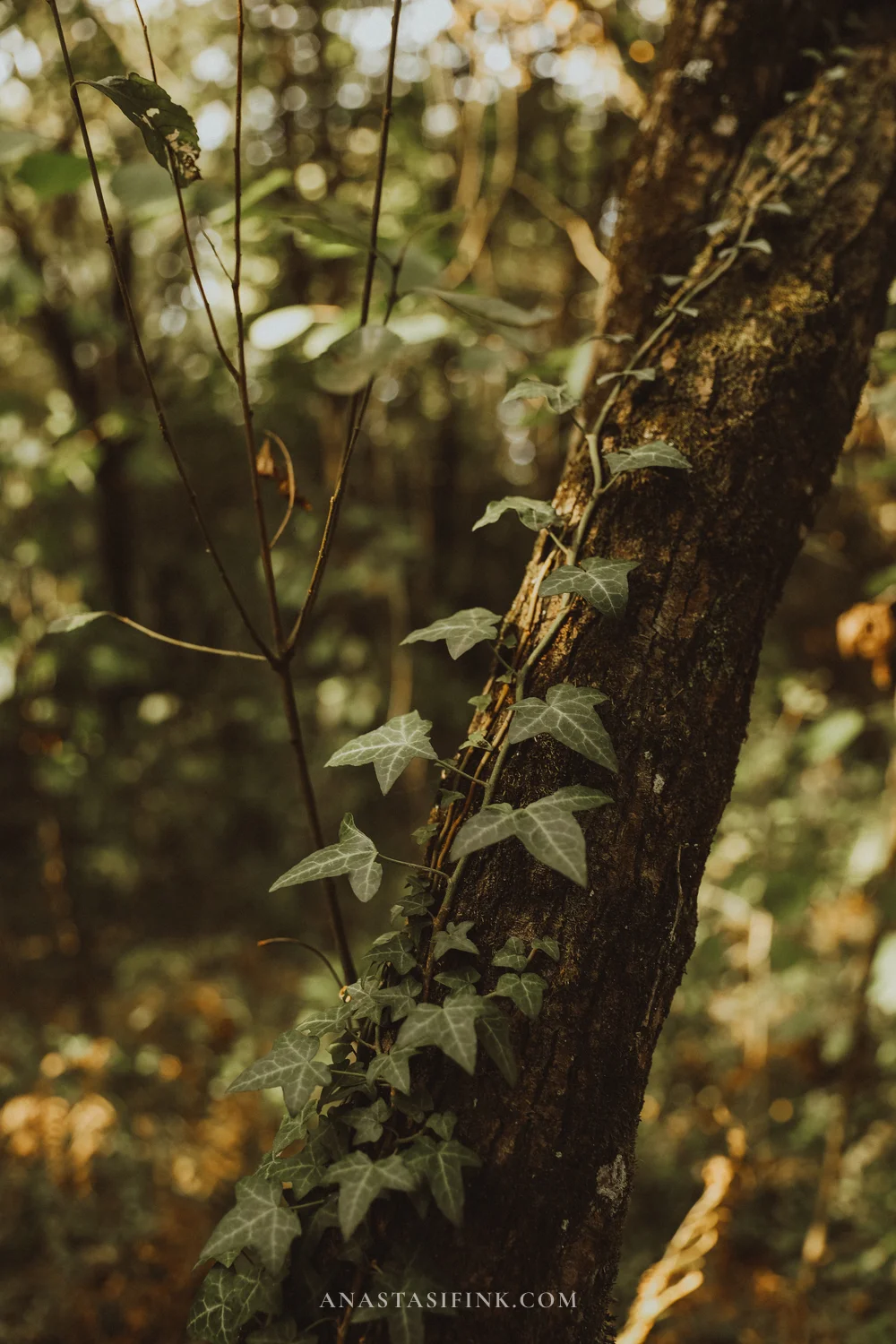
Beech and mixed forest
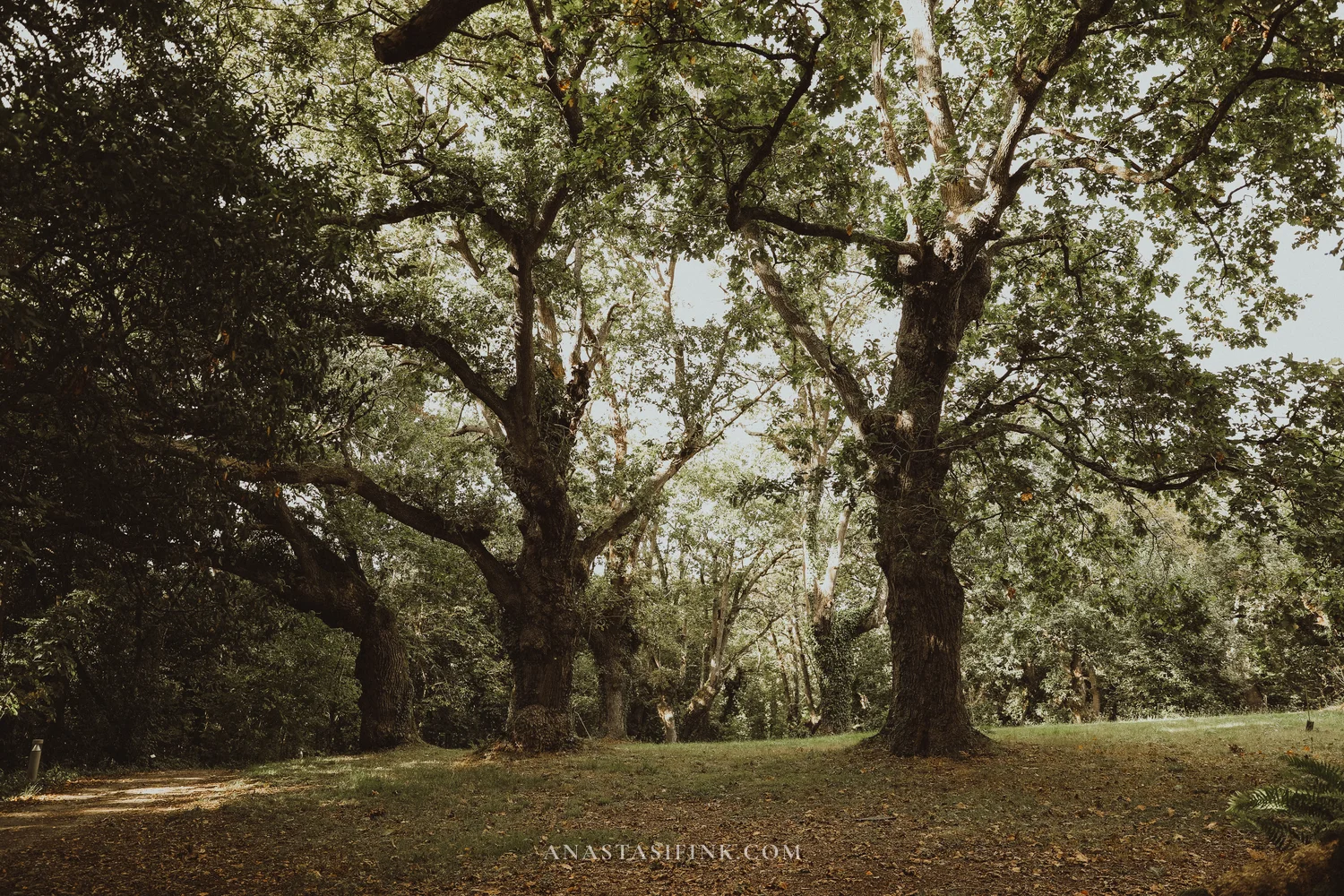
More than 60 of the Carbayera’s oaks are over 300 years old, and some are more than 400.
15. Bosque de los Niños and the Way Out
Next to the Carbayera there’s a children’s play area, the Bosque de los Niños (Children’s Forest). In the middle is the giant head of a fairy-tale creature among tree ferns: a slide comes out of its mouth, and there’s a crawl-through tunnel next to it. This area is home to characters from Asturian legends, such as the cuélebre, a winged serpent said to guard hidden treasure.


Bosque de los Niños
From here I walked back down to the exit.

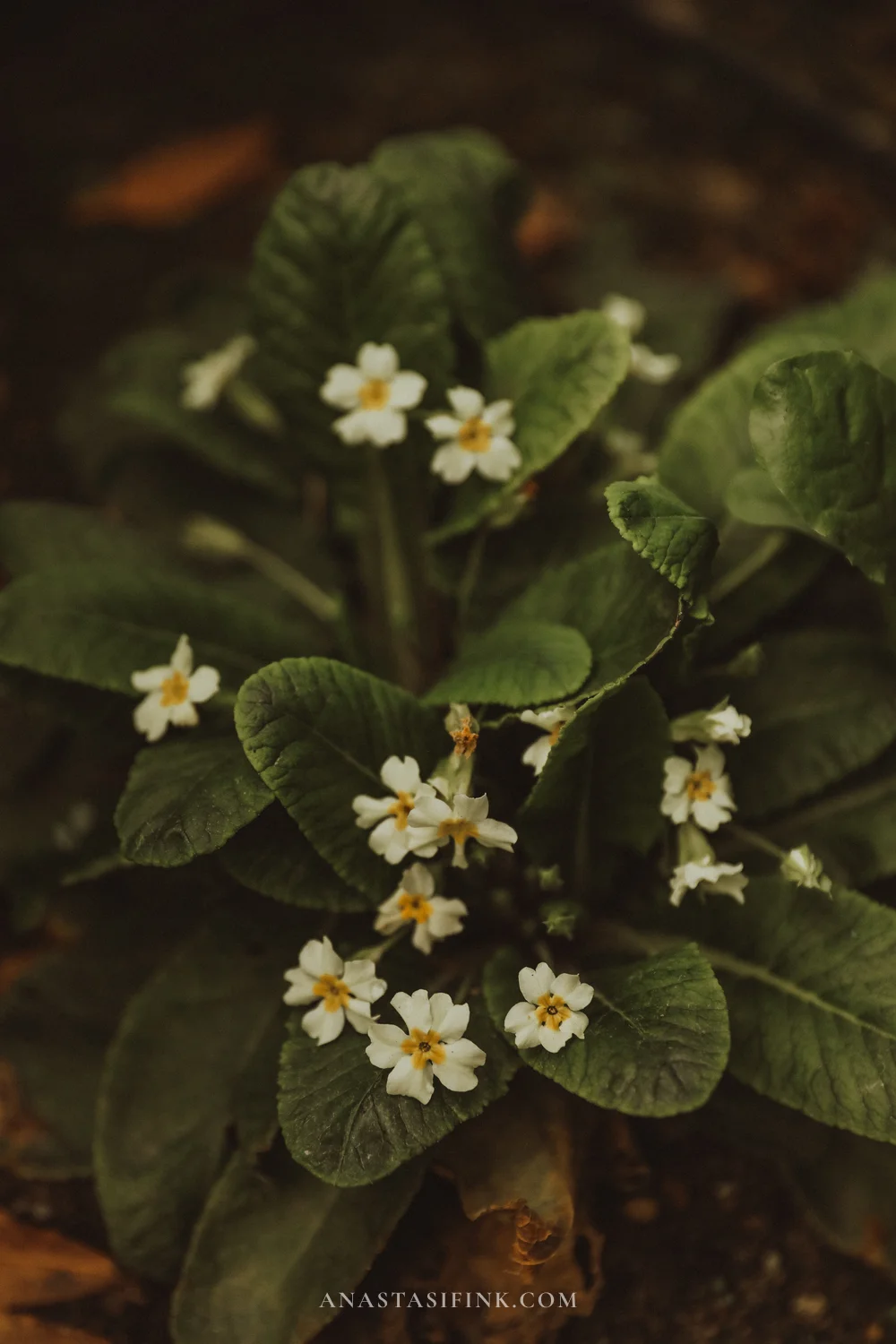
On the way out, primroses were still in flower.
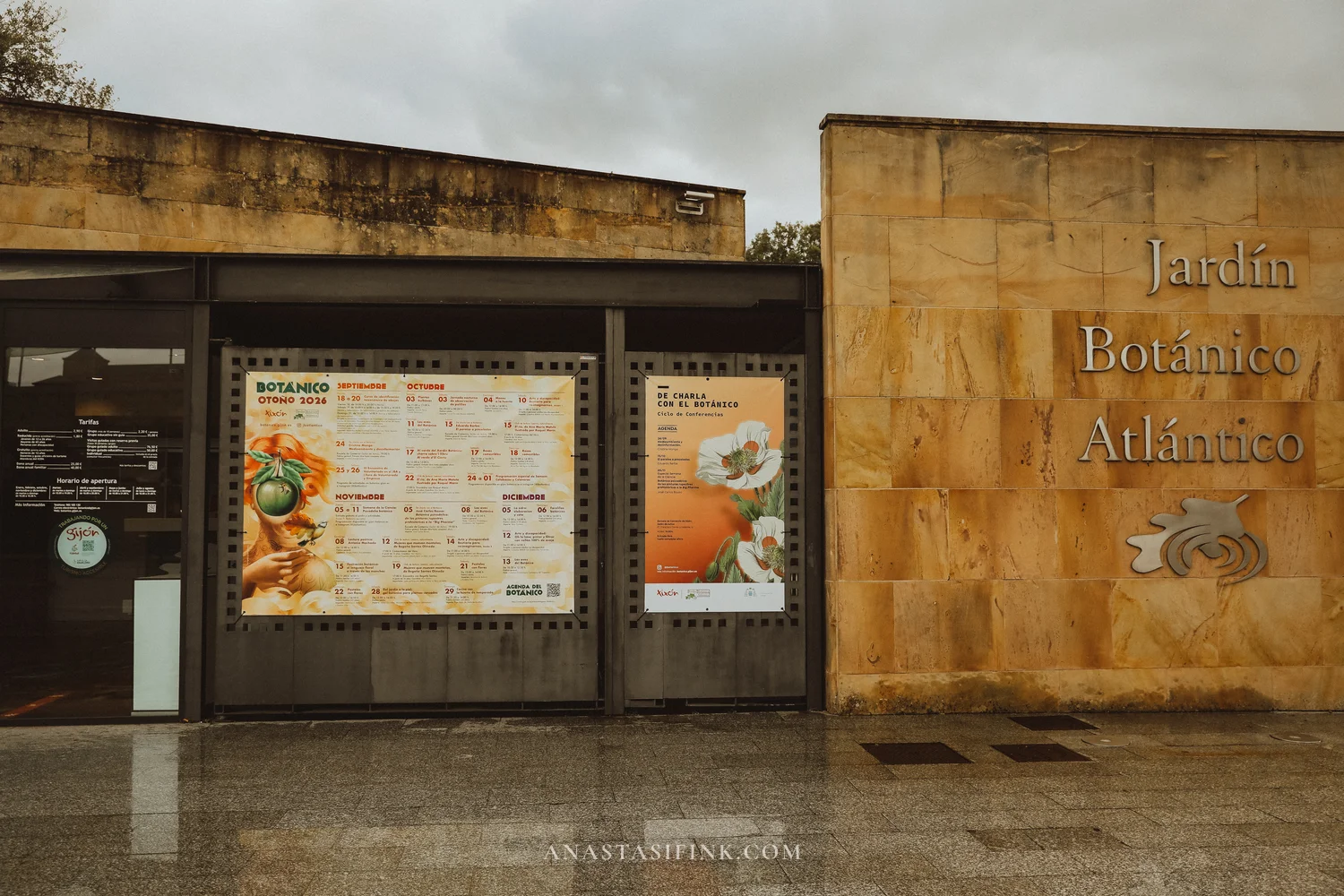
You leave through the same main entrance.
How to Get to the Gijón Botanical Garden
The garden is on the eastern edge of the city, next to Universidad Laboral. From the centre, the easiest way to get there is by bus or taxi.
- Bus: EMTUSA city bus line 1 (El Cerillero – Hospital de Cabueñes route), Jardín Botánico stop. A ticket costs 1.50 €, and you can pay by card or in cash. Other lines also go to the garden, so it’s easiest to check your route on Google Maps
- Taxi or Uber: around 7-10 € from the centre
- By car: there’s a car park next to the entrance
Practical Information
- Address: Avenida del Jardín Botánico, 2230, 33394 Gijón, Asturias
- GPS: 43.521502, -5.615784
- Opening hours: January, February, October-December 10:00-18:00; March 10:00-19:00; April and September 10:00-20:00; May-August 10:00-21:00 (check the website before you go)
- Closed: Mondays (in July and August the garden is open on Mondays too)
- Last entry: 45 minutes before closing
- Admission: adults 2.90 €; ages 12-26 and over 65s 1.80 €; under 12s free
- Universidad Laboral (across the road): guided tour of about 75 minutes, 6 € (reduced 4.50 €), schedule at laboralciudaddelacultura.com
- Combined ticket Laboral tour + botanical garden: 7 € (reduced 5.50 €)
- Guided tours: included in the ticket price, best booked in advance
- Opened: 2003
- Size: about 25 hectares, around 30,000 plants of about 2,000 species
- Getting there: bus 1 to the Jardín Botánico stop (1.50 €), taxi from the centre 7-10 €
- Time needed: at least 2 hours, ideally 3
- Website: botanico.gijon.es
- Google Maps: link
Tips
- Time: at least 2 hours, or 3 if you’re not in a rush. If you read the boards in the pavilions, you can easily spend half a day here
- Combine it with Laboral: the building with the tower is right across the road. The tour takes you up to the viewing platform in the tower, and a combined ticket with the garden costs 7 €
- Paper map: the collections are numbered on it, which makes it easy to plan your walk
- The American section by the maze: you can’t get from it to the rest of the Itinerario Atlántico, so you’ll have to go back to the entrance
- Snacks: deep in the garden there’s a meadow with picnic tables almost in the woods, and there are plenty of benches all over the garden
- Toilets: by the pavilions in the upper part of the Factoría Vegetal and at the picnic meadow
- Water: there are drinking fountains around the garden
- Shoes: many of the paths are unpaved and can be wet after rain
- With kids: the maze with the plant model inside the lighthouse, the Bosque de los Niños with its slide, the beehive with live bees and the comic-style boards
- English: the main boards and plant labels are bilingual, but some display cases and history panels are in Spanish only
- What’s on: the events programme by the entrance lists guided tours, workshops and talks. Most of them are in Spanish
- Mondays: the garden is closed, except in July and August
FAQ
Take EMTUSA city bus 1 to the Jardín Botánico stop. A ticket costs 1.50 €, and you can pay by card or in cash. A taxi or Uber from the centre costs around 7-10 €.
An adult ticket costs 2.90 €, and it’s 1.80 € for young people aged 12-26 and visitors over 65. Children under 12 go in free. There’s also a combined ticket with Universidad Laboral for 7 €.
At least 2 hours to get round the main areas. If you want to take your time in the woods and read the boards in the pavilions, allow 3 hours or more.
Yes. Deep in the garden there’s a meadow with wooden picnic tables, with a toilet and a drinking fountain nearby, and there are plenty of benches too. It’s best to bring your own food.
Yes: there’s the laurel maze with a lighthouse, the Bosque de los Niños with a slide, a glass beehive with live bees and comic-style boards. Children under 12 go in free.
The main boards and plant labels are translated into English, but some display cases and history panels are in Spanish only.
On Mondays, except in July and August. Opening hours change with the seasons: in winter the garden closes at 18:00, in summer at 21:00. Last entry is 45 minutes before closing.
Is the Gijón Botanical Garden Worth Visiting?
Yes, especially if you like peaceful places. You can just wander, or you can read the boards as you go. I learned a lot here, both about plants and about Asturias. For me, it’s one of the nicest places in Gijón.